The useful question when comparing a compact backhoe loader is not whether it looks small beside an excavator. It is whether the complete machine can enter the site, turn, establish a supported digging position and use both working ends without conflicting with the surroundings. Transport width answers only part of that question.
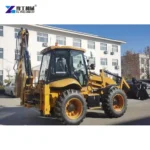
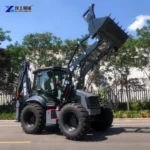
This guide uses the 420F construction backhoe-loader configuration to make the checks concrete. It is a 7.3-tonne machine, not a small agricultural tractor or a 650 kg front loader. Its dimensions help show why a buyer must test an actual configuration against the site rather than assume that any machine described as compact fits a restricted entrance or courtyard.
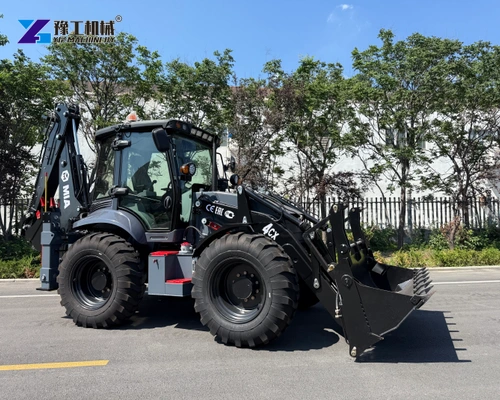
Check Three Different Spaces For A Compact Backhoe Loader
Begin with the route into the work area. An entrance must accommodate the machine in its permitted travel arrangement, including the front bucket and secured rear equipment. Then check corners, ground support and overhead obstructions along the route. A wide enough gate does not establish that the machine can negotiate the next turn or pass beneath a low structure.
The second space is the setup position. Rear excavation requires a stable arrangement with the machine supported according to its operating instructions. Stabilizers and their contact areas can occupy space outside the travelling outline. The site therefore needs more than a parking rectangle equal to the machine’s transport dimensions.
The third space is the operating envelope of the tools. The front bucket moves through a loading path; the rear boom, dipper and bucket work through a different area. When assessing a compact backhoe loader, plot those movements around the actual excavation and receiving point. Do not use the folded rear boom’s position to represent its full working reach.
Share the entrance, turning route and proposed work area to compare the complete machine envelope.
Separate Front Loading Clearance From Rear Digging Clearance
At the front, the machine needs an approach that allows the bucket to engage material and transfer it to the intended destination. Consider the route with the bucket in the required travel position, the receiving height and the clearance around the destination. Bucket volume does not establish that every material can be carried at the same load or that every truck body can be reached.
At the rear, the digging position must allow the tool to work without striking nearby structures or entering an uncontrolled access route. The location of the trench and spoil affects the position of the machine and the movement of the backhoe. A maximum digging-depth figure does not specify the entire horizontal working geometry or a safe distance from an excavation edge.
A compact backhoe loader can combine loading and digging functions, but one position does not necessarily suit both tasks. Establish when the machine will be repositioned and where that movement can occur. The convenience of having two working ends should not hide an access problem at either end of the job.
A trench beside a material stockpile illustrates the difference. Rear excavation needs a supported working position facing the trench, while front loading needs an approach to the pile and a route to the receiving point. Plan where the machine changes position between those tasks, and keep spoil outside that route. The two-function advantage is useful only when the job leaves room for that changeover.
Describe the front loading destination and rear excavation position so both working ends can be considered.
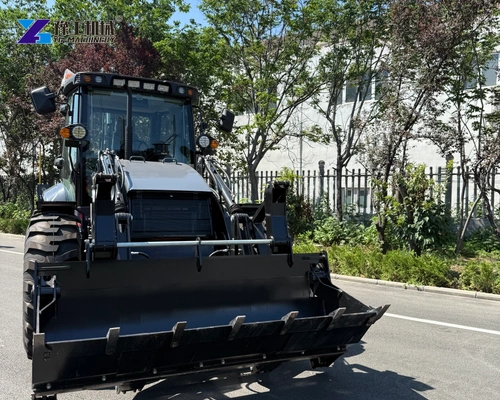
420F Backhoe Loader Dimensions And Working Parameters
The table describes one 420F configuration. It provides a construction-machine comparison point rather than establishing that this model meets every definition of compact.
| Parameter | 420F configuration |
| Operating weight | 7300 kg |
| Transport dimensions, L × W × H | 7560 × 2360 × 2900 mm |
| Minimum ground clearance | 300 mm |
| Front bucket capacity | 1.0 m³ |
| Rated loading capacity | 2000 kg |
| Front bucket breakout force | 54 kN |
| Dumping height | 2700 mm |
| Rear bucket capacity | 0.3 m³ |
| Maximum digging depth | 4010 mm |
| Engine | Cummins 4BT3.9-C100 |
| Rated engine power | 75 kW |
Use the transport dimensions to begin an access assessment, not to approve a complete working position. The stabilizer layout, tool movement and attachment clearances require the selected machine’s actual arrangement. Where the site is genuinely too small for this configuration, the answer is a different suitable machine, not a more optimistic interpretation of the table.
The earthmoving and loading equipment collection offers the wider equipment context. Compare a compact backhoe loader with another machine by the work it must do and the space it can use, not by the presence of a front bucket alone.
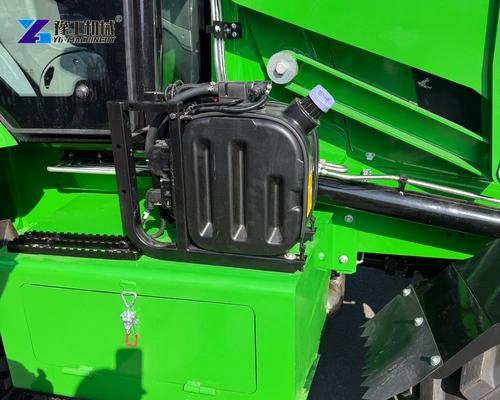
Stabilizer Space Is A Support Requirement, Not Spare Parking Room
Rear digging introduces forces that must be carried through the supported machine and ground. The stabilizers need positions and contact conditions suitable for the actual equipment. A paved surface is not proof of adequate support; a cover, unsupported slab edge or disturbed ground may have limitations that are not obvious from appearance.
Assess the setup with the excavation, adjacent structures and any underground features in view. The competent site team should determine suitable support and working arrangements for those conditions. There is no universal setback or support-pad dimension that can be inferred from machine weight or a product photograph.
For a compact backhoe loader enquiry, provide the proposed working position and any support restrictions rather than requesting only a narrow machine. This gives the supplier a useful basis for discussing the configuration, while the site assessment determines whether the ground and arrangement are suitable for use.
Provide the proposed support position and known ground restrictions for a configuration discussion.
Operator Visibility And Access Also Consume Space
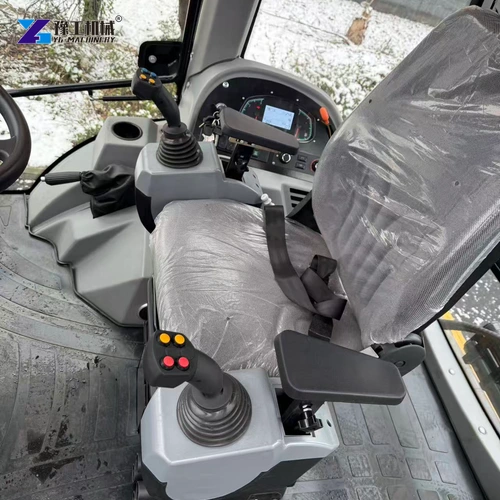
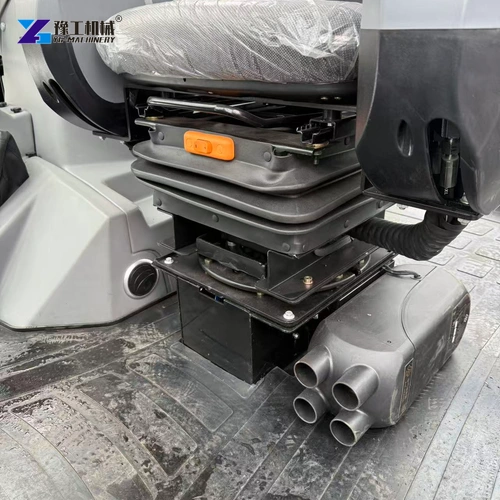
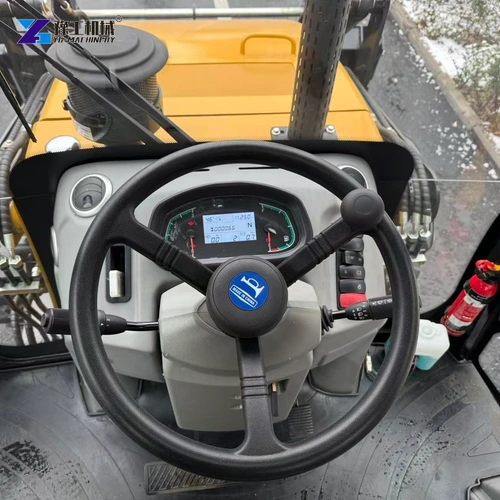
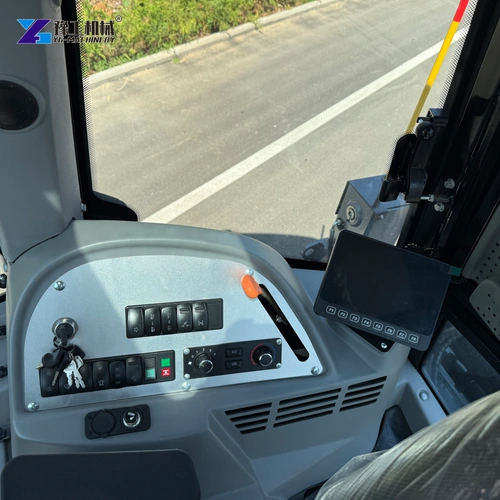
A tight site is not just a geometric problem around the tires. The operator needs access to the cab and appropriate visibility of the work. Front loading and rear digging face different directions. Check how the supplied operator station and controls serve those tasks, and keep the cab entrance clear rather than using it for material storage.
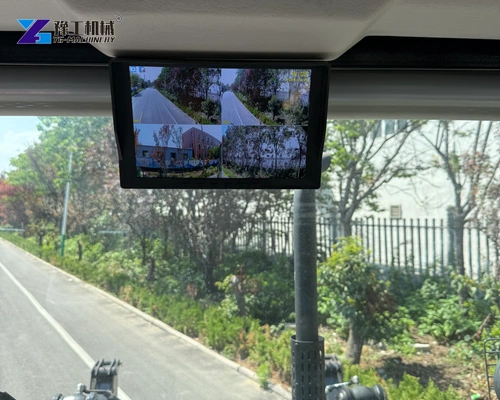
People around the machine need controlled routes. A space that appears unused while the machine is parked can become part of the bucket’s operating area. Organise pedestrian access, material deliveries and machine movement so they do not compete for the same narrow passage. Camera or mirror equipment does not remove the need for a suitable work arrangement.
When comparing a compact backhoe loader, consider maintenance access as well. Doors, panels and service points may need room to open. Positioning the machine tightly against an obstruction can make routine access difficult even if the equipment could physically be driven there.
Decide When Separate Machines Make More Sense
A backhoe loader is useful when the project needs both loading and rear excavation and the site allows the machine to change between them. If a location only permits digging in a particularly confined position, another type of excavator may fit the task better. If the repeated task is handling loose material without rear excavation, a loader may be the more direct comparison.
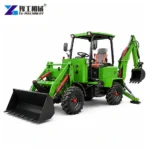
The mini payloader range represents front loading, not a substitute specification table for a true backhoe loader. A front bucket on a small wheeled machine does not establish rear digging capability. Equally, selecting two functions in one chassis does not guarantee that one machine replaces every specialist tool on a project.
Before choosing a compact backhoe loader, check the decision against actual conditions:
- The machine can use the complete access route in its permitted travel arrangement.
- Its supported digging position fits the site and the assessed ground conditions.
- Front loading and rear tool movements have practical working space.
- Operator access, material handling and controlled pedestrian routes remain available.
If one of these conditions fails, revise the configuration or the work arrangement before ordering. A dimension-based comparison gives a clearer answer than an unsupported compact label.
Send the digging and material-handling tasks to compare a backhoe loader with the relevant separate-machine options.
Compact Backhoe Loader FAQs
No. Stabilizers, support areas, rear tool movements and access requirements can extend beyond the travelling outline. Assess the operating position separately from the route into the site.
No. It describes the stated 7300 kg construction backhoe-loader configuration. Do not apply its values to a small agricultural tractor or assume it meets a restricted site’s compactness requirement.
No. Maximum depth is one parameter. The actual boom, dipper, bucket and setup arrangement determine the rest of the working geometry, which must be checked against the planned excavation.
No. Access is only the first check. Ground support, stabilizer placement, working clearances and site controls must also suit the intended operation.
Compare another machine when only one working function is required or when the backhoe loader cannot fit the supported working position. Choose from the actual task and site, not from a general claim that one machine replaces all others.
For a backhoe-loader proposal, describe the access route, loading and excavation tasks, and the available supported working space.