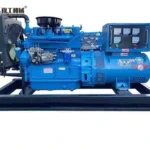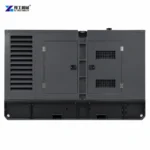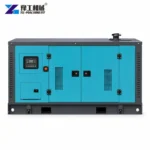
A silent diesel generator set reduces the sound escaping from a running engine-alternator package through a coordinated enclosure, exhaust and mounting arrangement. It does not produce zero noise. The useful product question is how the package treats different sound paths while preserving the air, cooling and service access needed for reliable operation.
That makes it different from a generator covered only for weather protection. Two cabinets can look similar while having different internal treatment and acoustic provisions. Understanding those functions helps buyers compare the actual equipment instead of treating one isolated decibel figure or a thick-looking panel as a complete specification.
Sound Sources Inside A Silent Diesel Generator Set
A running set contains several sources. Combustion and moving engine components excite the machinery and surrounding air. The alternator and its associated moving parts add sound, while cooling fans create an airflow-related source. Exhaust carries pressure pulsations through another route. The combined result is not controlled by treating only the most visible part of the machine.
Airborne and structure-borne transmission also differ. Airborne sound travels from the machinery through the surrounding air and available escape paths. Mechanical vibration can pass through mounts or connected structures and cause another surface to radiate sound. A canopy primarily addresses the surrounding acoustic enclosure; it does not automatically isolate every connection to a foundation, pipe or cable support.
The frequency content matters because a low engine-related component and a higher-frequency airflow component do not respond identically to treatment. A material that absorbs sound effectively in one range is not a universal solution for every source. Acoustic design therefore considers the complete assembly rather than adding the same lining indiscriminately to every available surface.
Changing the operating condition can change which source is prominent. Load, speed arrangement, fan operation and package design all belong to the assessment. The YG electrical configurations listed later identify the generating-set family, but do not provide measured acoustic performance. A silent diesel generator set needs a sound statement tied to the selected package, not a rating borrowed from another engine or enclosure.
Different sound sources need a coordinated acoustic package rather than a cover alone.
Silent Generator Canopy Panels, Lining And Door Seals
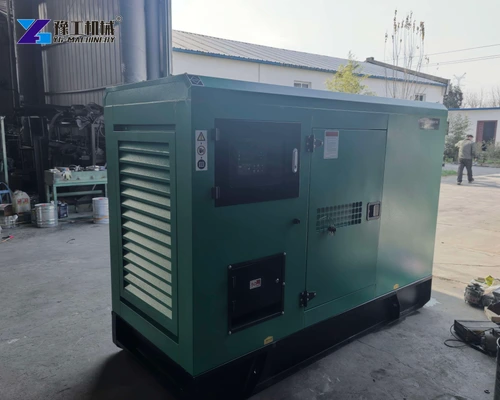
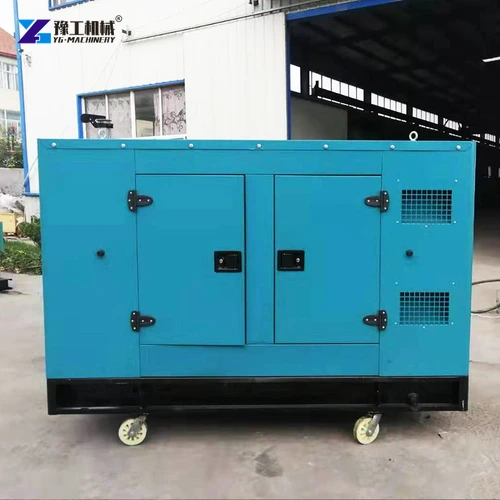
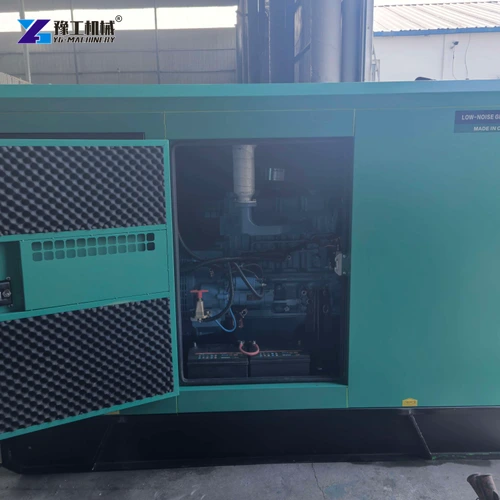
An acoustic enclosure uses several physical functions. The outer construction limits sound transmission, while suitable internal treatment can absorb part of the sound energy within the enclosure. Panel behaviour and internal absorption are related but different; a porous lining is not a replacement for a coherent enclosure, and a rigid metal panel does not automatically supply effective absorption.
Joints and doors can become important escape paths. A well-treated panel provides limited benefit if adjacent gaps allow sound to bypass it. The intended door contact, seals and closures therefore form part of the acoustic configuration. A service door left open is not equivalent to the closed operating condition simply because the engine and alternator are unchanged.
Internal materials also need to suit the generator environment. Temperature, contamination, airflow and maintenance access affect their practical suitability. Adding a general building insulation material inside a generator without an approved design can introduce new restrictions or hazards. Acoustic performance cannot be separated from the package’s thermal and mechanical requirements.
Panel vibration can create another path. Loose closures, damaged fasteners or contact between parts can produce rattles not present in the intended assembly. Maintaining those details helps preserve the defined configuration. Adding mass or extra screws without understanding the construction is not a reliable diagnosis for every noise complaint.
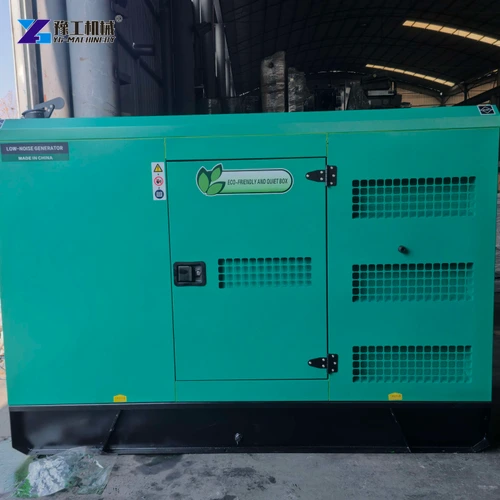
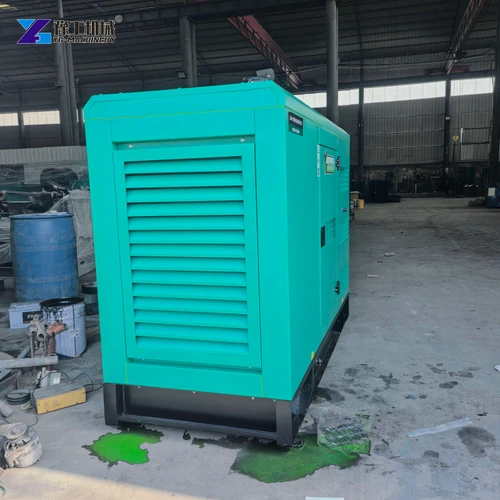
For a silent diesel generator set, the useful enclosure specification identifies the actual canopy and its acoustic provisions. A weather-resistant cabinet may be useful for exposure protection without having the same sound treatment. The YG commercial diesel generator range supplies related product context; the enclosure option needs its own clear identity within the selected package.
Identify the canopy construction and intended closed operating arrangement.
Exhaust, Cooling Air And Vibration On A Silent Generator
The exhaust system conveys gas and sound away from the engine. An appropriate silencer treats that path rather than relying on the surrounding canopy to absorb everything. Its selection must remain compatible with the engine’s permitted exhaust conditions. A replacement silencer or altered pipe route cannot be assumed acoustically or mechanically equivalent because the connection diameter matches.
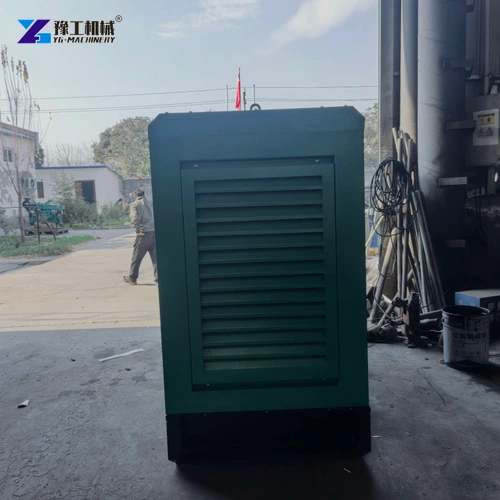
Cooling air introduces a necessary opening through the enclosure. Air must enter, pass through the designed cooling arrangement and discharge without excessive restriction or harmful recirculation. Acoustic paths can be shaped and treated as part of that design, but blocking an opening to reduce noise conflicts with the machine’s need to reject heat.
An improvised barrier can therefore create two problems at once: it may redirect hot air toward the inlet and change the sound experienced elsewhere. Installation details need to suit the particular package and surroundings. No universal wall clearance or airflow modification is prescribed from a cabinet photograph.
Vibration isolation addresses mechanical transmission. The engine-alternator assembly, base, supports and connected services need their intended arrangement. A rigid connection can bypass an otherwise useful isolation path. Conversely, simply making a support softer is not a universal improvement; stability and the equipment’s permitted movement still matter.
A silent diesel generator set is also combustion equipment. Acoustic treatment does not remove exhaust or carbon-monoxide hazards, and an enclosure must never be interpreted as permission for use in an unsuitable occupied or enclosed space. The installation needs competent assessment of ventilation, exhaust and the actual operating conditions alongside the acoustic task.
Exhaust, cooling air and vibration paths need to remain compatible with reliable operation.
YG Silent Diesel Generator Set Electrical Configurations
The table gives three published YG generating-set configurations as an electrical reference. Their power figures are not acoustic ratings. The selected canopy, exhaust treatment and any documented sound result must correspond to the actual engine-alternator package supplied.
| Parameter | YG 30 kW configuration | YG 100 kW configuration | YG 200 kW configuration |
| Stated power | 30 kW | 100 kW | 200 kW |
| Cylinders | 4 | 6 | 6 |
| Voltage | 400 / 230 V | 400 / 230 V | 400 / 230 V |
| Frequency | 50 Hz | 50 Hz | 50 Hz |
| Rotational speed | 1,500 r/min | 1,500 r/min | 1,500 r/min |
| Cylinder bore × stroke | 100 × 115 mm | 105 × 125 mm | 126 × 130 mm |
| Rated current | 54 A | 180 A | 360 A |
| Phase arrangement | Three-phase, four-wire | Three-phase, four-wire | Three-phase, four-wire |
Electrical suitability remains necessary even where low sound is the main purchasing concern. Voltage, frequency, phase arrangement and the applicable operating duty must suit the connected equipment. Starting demand and sustained running demand can differ, so choosing the smallest cabinet solely to reduce apparent size can leave the electrical task unresolved.
The generator load-selection discussion covers that separate sizing question. A larger kW figure does not establish better acoustic performance, just as a quiet-looking enclosure does not establish adequate power. Those are different specifications of the same assembled product.
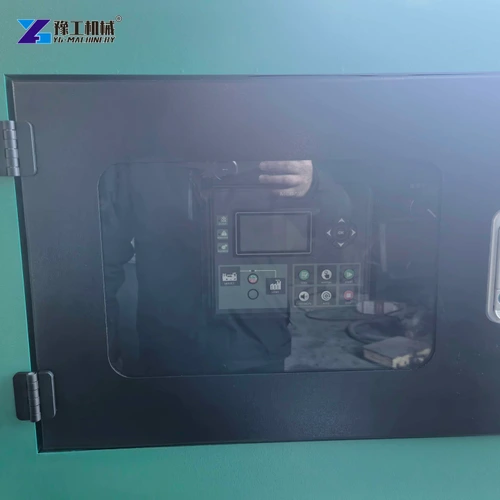
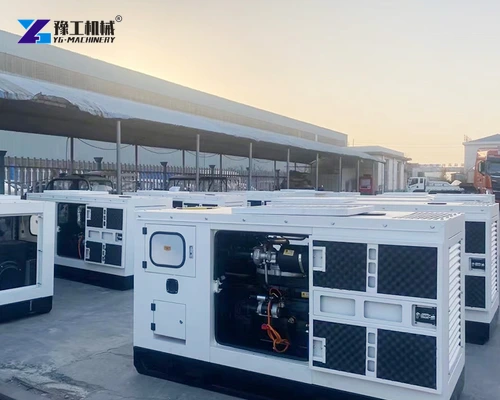
For a silent diesel generator set, identify the selected engine, alternator, controller, enclosure and exhaust scope together. Family photographs can show different arrangements and should not be used to infer exact power from appearance. The useful comparison is a named electrical configuration with its corresponding acoustic package and operating conditions.
Silent Generator Sound Measurements And Continuing Care
A sound statement needs to identify the quantity being reported. Sound pressure describes conditions at a measurement position, while sound power characterizes the source’s acoustic emission under defined conditions. Their numerical values are not interchangeable. A sound-pressure result also needs its distance or positions, operating condition and test arrangement to be meaningful.
Surroundings affect what a receiver experiences. Reflecting surfaces, other sound sources and the direction from the set can change a reading. A result from an open test arrangement should not be assumed to predict the same value beside a wall or at an occupied room. Equipment evidence and the completed site’s assessment are separate parts of the acoustic task.
The weighting and test conditions should accompany any decibel figure. A-weighted sound and an unqualified number should not be compared without understanding what was measured. Nor should a figure for a particular load, closed-door arrangement or exhaust option be transferred to another operating configuration. No measured YG decibel level is claimed in this article because a matching test result is not established here.
Continuing care helps preserve the package that was specified. Door seals, latches, panels, mounts and accessible exhaust components need inspection under the supplied procedure. A newly developed rattle, damaged lining or loose connection should be investigated rather than hidden behind another improvised layer. Required air passages must remain usable as cleaning and maintenance are carried out.
Maintenance must also prevent unintended starting and follow the isolation requirements of the actual installation. An automatic-start set introduces a hazard even when it is not currently running. Good service access makes the correct procedure practical, but does not justify operating with doors or covers in an unapproved position.
A silent diesel generator set is most meaningfully specified as a complete power and acoustic system. Define the machine, treatment and operating arrangement, then assess its evidence against the actual receiving location. That gives a clearer basis for selection than treating silent as a promise of zero sound or accepting a favourable number detached from the equipment that produced it.
Compare the actual machine with the conditions supporting its acoustic statement.
Silent Diesel Generator Set FAQs
No. It describes a sound-reduction configuration. Actual performance depends on the complete package and defined operating conditions.
No. Sound pressure relates to a measurement position, while sound power characterizes source emission under defined conditions. Their values should not be compared as interchangeable quantities.
No. The set needs its designed airflow and heat-rejection path. Any acoustic modification must remain compatible with the package’s operating requirements.
Not automatically. Machinery enclosure and exhaust treatment address different sound paths. The selected system needs the appropriate coordinated assemblies.
No. The receiver position, surroundings, operating condition and installation affect the outcome. A package statement does not replace a site-specific assessment where one is required.
Tell us the power requirement and noise-sensitive receiving location to discuss the generating-set package and relevant acoustic information.