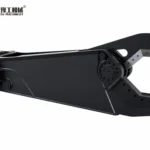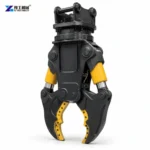
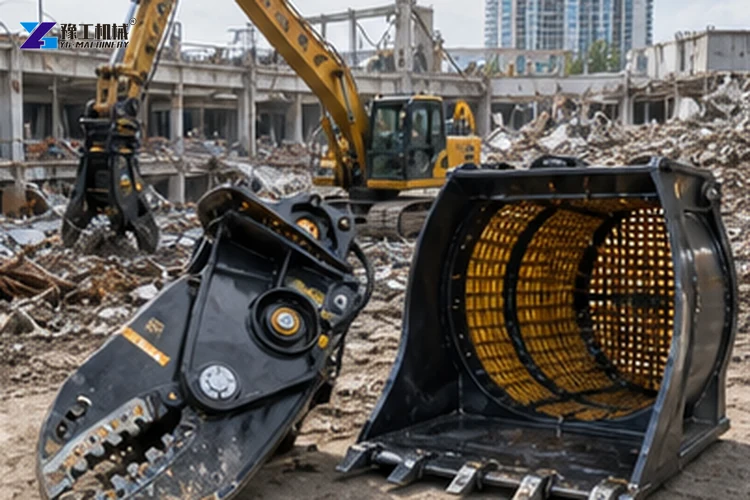
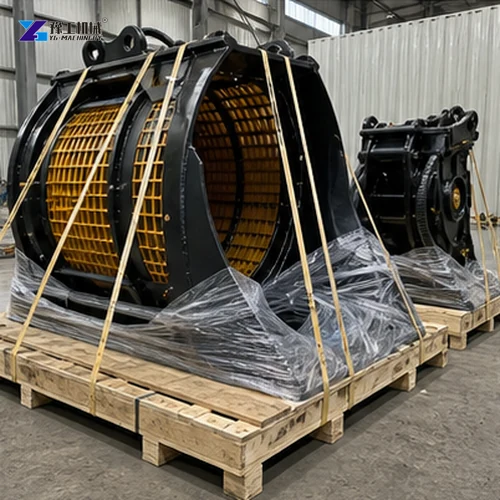
A Singapore customer ordered a double-cylinder hydraulic shear together with a rotary screening bucket from YG in November 2024. The combination is notable because the two attachments perform different stages: the shear handles controlled cutting and reduction, while the screening bucket separates suitable loose material by size. The order therefore required more than selecting two products independently.
YG considered carrier compatibility, material flow and attachment changeover so the package could support a practical site sequence. This case is relevant to Singapore contractors working within restricted areas where equipment utilization, material handling and clean separation can affect both production and site organization.
What Work Sequence Required Two Different Attachments?
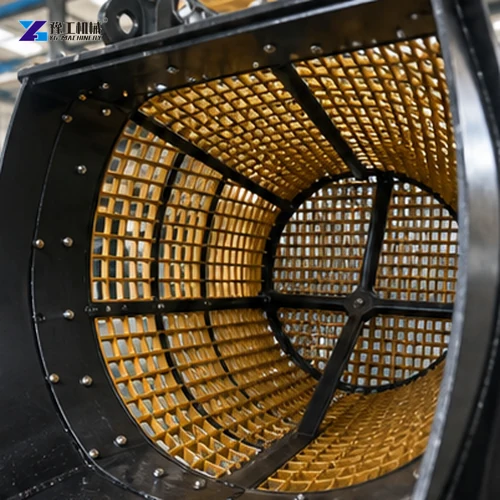
The shear’s role is to cut or reduce material that cannot be processed safely as loose feed. Depending on the jaw and blade configuration, that can include structural metal or selected demolition elements. The screening bucket’s role begins after unsuitable oversize and contaminants are removed. It rotates material through a screening surface so an acceptable fraction can be separated from larger pieces.
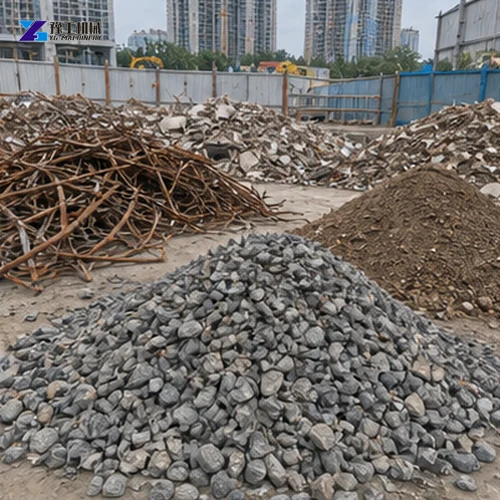
Combining the tools does not mean every sheared material should enter the screen. Steel, long reinforcement and sharp oversized objects must be separated according to the screening bucket’s feed limits. The useful workflow defines an acceptance point between operations: only material that meets the permitted type and size moves to screening.
How Did YG Check Both Attachments Against The Excavator?
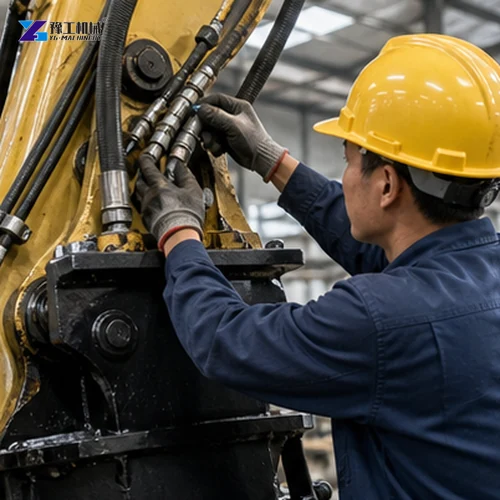
Each attachment was reviewed against the carrier’s allowable weight, pin dimensions, auxiliary flow and pressure. The shear needs enough pressure and flow to close and cycle the jaws under load. The rotary screen needs stable rotation at the specified flow without overspeeding. If one carrier serves both tools, its circuit settings and hose connections must accommodate two distinct operating demands.
Mounting and changeover were reviewed as well. Brackets, pins or coupler interfaces must fit the same excavator, while hose routing should remain protected for each attachment. The operator needs recorded settings so changing tools does not leave the circuit adjusted for the previous attachment. Clear labels and a commissioning sheet help prevent that mistake.
| Package Check | Hydraulic Shear | Rotary Screening Bucket |
| Primary task | Cut and reduce selected material | Separate suitable loose feed |
| Key material data | Section shape and thickness | Feed type, moisture and target size |
| Hydraulic focus | Closing force, flow and pressure | Rotation flow and speed control |
| Fit focus | Jaw reach and mounting position | Bucket capacity and carrier stability |
| Wear focus | Blades, pins and jaw clearance | Screen elements, drive and bearings |
A coordinated package request should state which excavator will operate each tool and whether both attachments will work during the same shift.
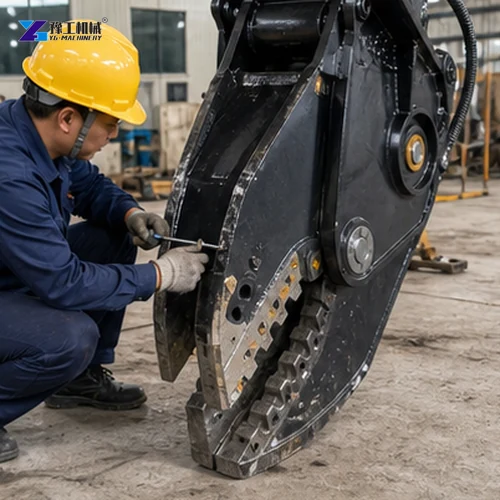
How Was The Shear Selected For Controlled Reduction?
The buyer needed to describe the material the jaw would encounter, including the largest section and the normal production range. Opening must accept the work, but opening alone does not determine performance. Cutting depth, blade zone, working reach and the carrier’s hydraulic supply decide whether the shear can position and cycle effectively.
A double-cylinder configuration can provide balanced jaw action for its intended design, but buyers should still examine service access, replaceable blades, lubrication and the spare package. Singapore’s compact sites can make downtime and material staging especially disruptive. Keeping the correct cutting edges, seals and hose fittings available supports a more predictable operating plan.
What Made The Material Suitable For Rotary Screening?
Screening performance depends on feed behavior. Dry, free-flowing soil or aggregate passes differently from sticky clay, mixed demolition debris or material containing long reinforcement. The buyer should state feed size, moisture, desired fraction and contaminants. YG can then review screen opening, bucket volume, rotation requirements and whether pre-sorting is necessary.
The excavator should load the bucket without overfilling, rotate it in a controlled area and discharge each fraction to a planned stockpile. Production is limited when screened material has nowhere to go or when unsuitable oversize repeatedly returns to the feed pile. Site layout is therefore part of attachment selection, not an issue left until delivery.
Need help matching the configuration to your project? Send the working conditions and YG can review the practical equipment scope for Excavator Shear And Screening Bucket Singapore.
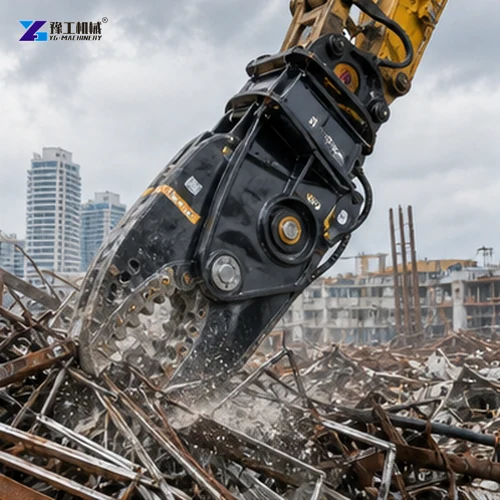
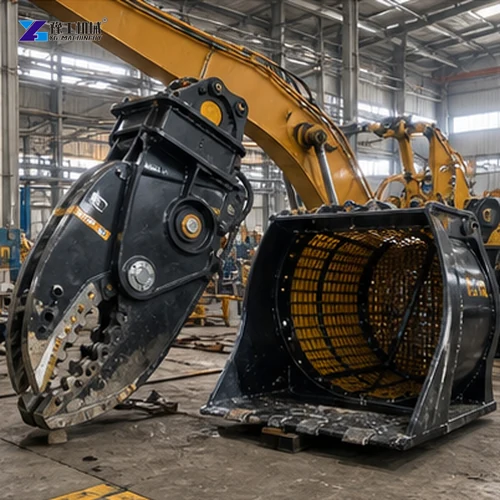
How Should A Two-Attachment Package Be Commissioned?
Commission each tool separately before testing the complete workflow. For the shear, verify bracket fit, jaw movement, rotation, pressure settings, hose clearance and a controlled test cut. For the screen, verify mounting, drive direction, rotation speed, screen retention and a small batch of representative feed. Record the approved settings for both attachments.
Then test the transfer between stages. Confirm that the shear produces pieces within the permitted screening feed, that steel and contaminants are removed, and that the excavator can change tools without contaminating couplings. The test should also confirm where each material fraction is stored and how operators identify material that must not enter the screen.
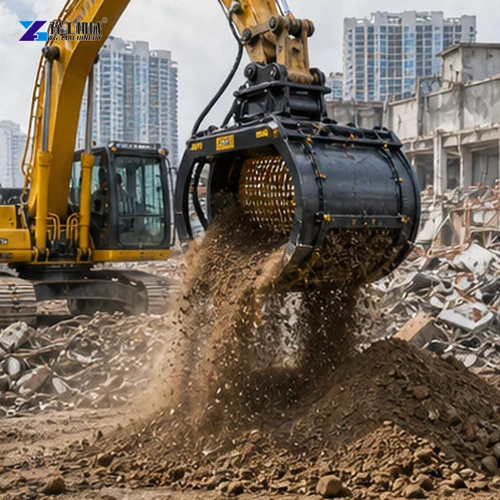
What Does This Singapore Order Show Buyers?
The completed 2024 order demonstrates a real YG supply of a double-cylinder shear and rotary screening bucket to Singapore. Its purchasing lesson is that a package creates value only when each attachment has a defined task and the transition between tasks is controlled. Buying two compatible brackets is not the same as designing a workable material process.
Buyers can compare the YG excavator shear attachment, demolition attachment workflow and mini digger attachments guide when deciding whether a single tool or a coordinated package is required.
Excavator Shear And Screening Bucket FAQ
Yes when weight, mounting, hydraulic flow and pressure, return conditions and coupler compatibility are verified for both tools.
No. Remove steel, reinforcement, unsuitable contaminants and oversize material according to the screen’s permitted feed specification.
Provide material type, largest feed size, moisture, desired separated size, daily volume and stockpile layout.
Provide section shape and thickness, maximum and normal material, mounting position, working reach and carrier hydraulic data.
It should identify each attachment, brackets, hoses, compatible settings, wear parts, documentation, destination and the limits of the intended workflow.
Need help matching the configuration to your project? Send the working conditions and YG can review the practical equipment scope for Excavator Shear And Screening Bucket Singapore.
Describe The Complete Material Route Before Requesting A Package
Send YG the carrier data, material photographs, section dimensions, target screened fraction and a simple site-flow sketch. Explain which tool performs each stage and how frequently the excavator changes attachments. This allows the technical team to check both products as one operating system and prepare a quotation that includes the required mounting, hydraulic and service items.