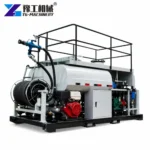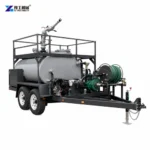
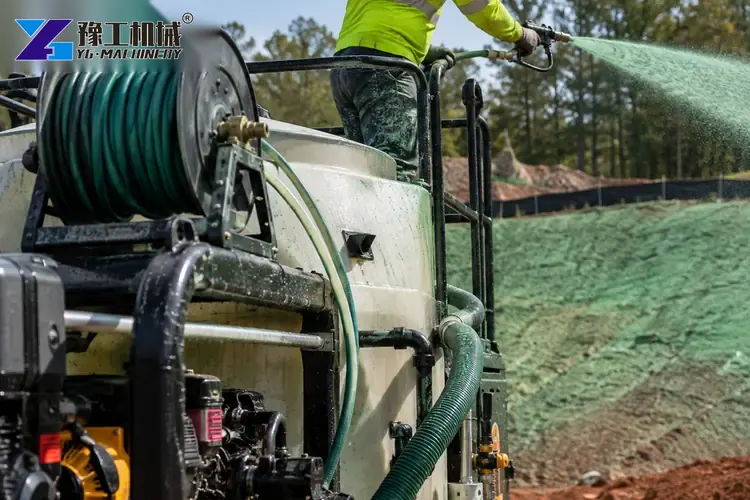
A hydroseeding machine combines water, seed, fertilizer, mulch and optional tackifier in one tank, keeps the slurry mixed, and sprays it over prepared soil. It is designed for contractors who need faster, more even coverage than hand broadcasting on highway slopes, mine restoration areas, commercial landscapes and large lawns. YG supplies jet-agitated hydroseeders with 2–8 m³ tanks, horizontal spray reach up to 40 m and configurations for trailer or truck installation.
The correct model is not chosen by tank size alone. Buyers should match the machine to the daily area, slope height, slurry recipe, access route, water supply and required hose reach. The specifications below are the standard selection range currently available from YG. Final pump, engine and mounting details are confirmed against the project before quotation.
Which Hydroseeding Machine For Sale Fits The Project?
Smaller tanks are easier to transport and suit landscaping or repair work. Larger tanks reduce refill frequency on long highway, riverbank and reclamation projects. Coverage per tank changes with the specified application rate and slurry solids, so the figures are working selection ranges rather than a promise for every seed recipe.
| Typical Coverage | 200–500 m² | 500–1,500 m² | 700–2,000 m² | 1,000–2,500 m² |
| Horizontal Spray Distance | 20–30 m | 20–35 m | 20–35 m | 24–40 m |
| Vertical Spray Distance | 10–20 m | 10–25 m | 10–25 m | 15–30 m |
| Horizontal Hose Head | 20–50 m | 20–60 m | 20–70 m | 30–80 m |
| Machine Weight | 1,000 kg | 1,300 kg | 1,600 kg | 1,900 kg |
| Overall Dimensions | 2.5×1.5×1.4 m | 3.3×1.5×2.4 m | 3.6×1.8×2.4 m | 4.2×1.8×2.4 m |
Need help comparing tank size and spray reach?
COMPARE MODELSHow The Jet-Agitated Hydroseeder Works?
Water is loaded first, followed by the specified seed, fertilizer, mulch fiber and additives. A recirculation loop drives liquid back into the tank at velocity, keeping the mixture moving without relying on a complex internal paddle train. The pump then sends the prepared slurry to a cannon or hose nozzle. The operator adjusts pressure and spray pattern to place a consistent layer over the soil.
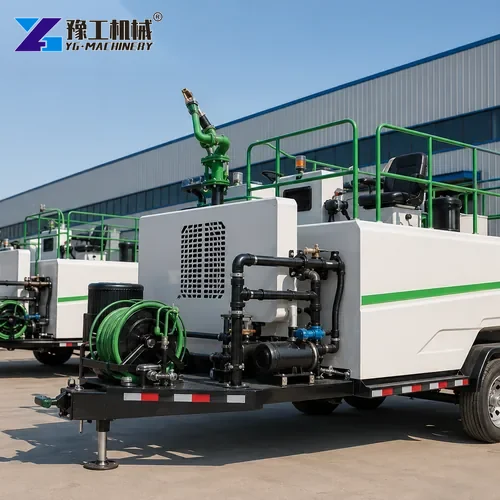
- Mixing tank: sized for the required batch and built for repeated loading and rinsing.
- Agitation circuit: circulates the slurry to reduce settling during preparation and spraying.
- Slurry pump: selected around fiber content, delivery distance and required output.
- Spray cannon and hose: the cannon covers open areas while the hose reaches edges, ditches and restricted zones.
- Power and mounting: independent engine, PTO and carrier arrangements are confirmed before production.
Where Hydroseeding Equipment Is Used?
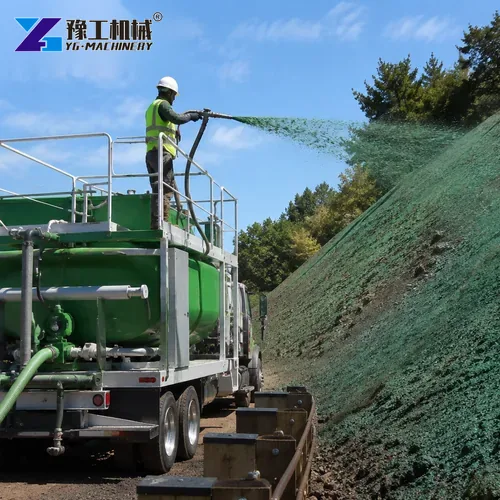
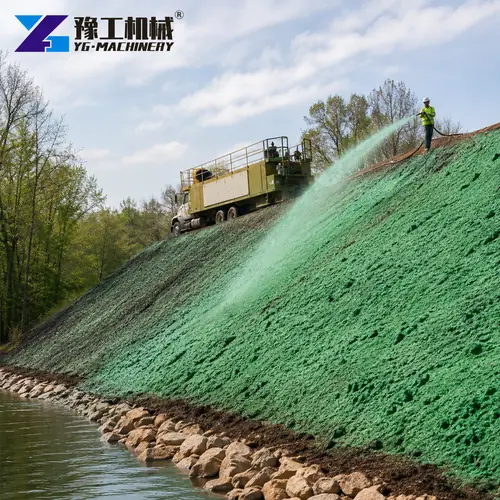
Hydroseeding is useful where the soil surface needs fast, distributed application and conventional sowing is slow or difficult. Highway and railway contractors use it for cut and fill slopes. Municipal and landscape teams use it for parks, sports grounds and large lawns. Mine and landfill projects use suitable seed and mulch recipes to support revegetation and erosion control. Riverbank and post-construction restoration projects use the hose or cannon to reach uneven ground while limiting foot traffic on the treated surface.
The machine does not replace site preparation or agronomic planning. Soil condition, seed selection, climate, irrigation and aftercare still determine establishment. For erosion-control work, the mulch type, tackifier and application rate should be specified by the project designer. YG matches the equipment; the customer or project consultant confirms the planting recipe.
Send the slope height, hose distance and slurry recipe for a practical configuration.
CHECK MY PROJECTHow To Select A Hydroseeding Machine For Sale?
- Define the daily area and batch plan. Compare target area with the usable coverage per tank and available refill time.
- Describe the material recipe. Mulch fiber type and solids content affect agitation and pump selection.
- Measure the real reach. Provide horizontal distance, vertical lift, hose length and the difference in elevation from machine to nozzle.
- Confirm the carrier. State whether the unit will be skid-mounted, trailer-mounted or installed on a truck, including payload and space limits.
- Check site logistics. Water access, road width, slope, turning space, operating temperature and cleaning water all affect practical output.
- Plan service items. Ask for pump wear parts, seals, nozzles, hose connections and routine maintenance guidance with the quotation.
What Operating And Maintenance Checks Matter?
Begin each batch with clean water in the tank, then add materials in the order required by the slurry specification. Start circulation before adding bulky fiber and watch the mixture rather than loading every material at once. During spraying, keep agitation running, use an overlap pattern and monitor nozzle output. A sudden change in pressure can indicate an empty tank, a restricted suction path or material collecting at the nozzle. Stop and inspect instead of increasing engine speed without finding the cause.
Cleaning immediately after the final batch is essential. Flush the tank, pump, recirculation line, hose and cannon until clean water exits. Inspect hose couplings, clamps, pump seals and nozzles for leakage or abrasion. Check the engine or PTO drive according to its service schedule and keep recommended wear parts available for projects far from the workshop. Before storage, drain water where freezing is possible and protect exposed connections from dirt.
Output should be judged by consistent ground coverage, not only by the maximum distance shown in a specification table. Wind, elevation, hose length, fiber concentration and nozzle choice all change the practical spray pattern. A short trial area at the start of a job helps the operator set pressure, travel pace and overlap before treating the full site.
What To Send For An Accurate Quote?
Send the country and nearest port, expected area per day, slope height, maximum spray distance, proposed seed and mulch recipe, preferred tank volume, power source and mounting method. Photos or a simple site drawing help the team check access and reach. YG will then confirm the model, pump arrangement, standard accessories, production scope and shipping plan instead of quoting from tank capacity alone.
Choose around the daily area, application rate, refill access and carrier capacity. A larger tank reduces refills but increases machine weight and transport requirements.
Yes, when the pump, hose head and spray distance match the elevation and access conditions. Provide the slope height and distance before model selection.
A typical slurry includes water, seed, fertilizer and mulch, with tackifier or soil amendments when the project specification requires them.
Flush the tank, pump, hoses and nozzles with clean water immediately after use. Do not allow fiber slurry to dry inside the system.
Request A Hydroseeding Machine For Sale Quote
Send your coverage target, slurry recipe, spray reach and mounting requirements for a model recommendation.
REQUEST A QUOTEWhat Details Should You Send For A Final Quotation?
Please use the form below to send the working area, slope height, daily coverage target, mulch recipe, preferred tank size, carrier type, destination country and nearest port. YG will check the pump, hose, spray reach and shipping scope before replying.