Hydroseeding machine price depends on the project the unit must cover, not simply on tank volume. A larger tank may reduce refills, but it also changes transport weight, water demand and site access. A long hose route or steep elevation can place more demand on the pumping arrangement than an open area served by a cannon. Slurry recipe and agitation requirements also influence configuration.
For that reason, YG confirms area, terrain, water supply, spray route, expected daily output and mounting method before issuing a project-specific offer. The figures below provide a published selection range, not a universal productivity promise. This guide shows which data change the quote and how buyers can compare complete scopes without confusing tank size with working capacity.
Which Project Conditions Should Be Sent First?
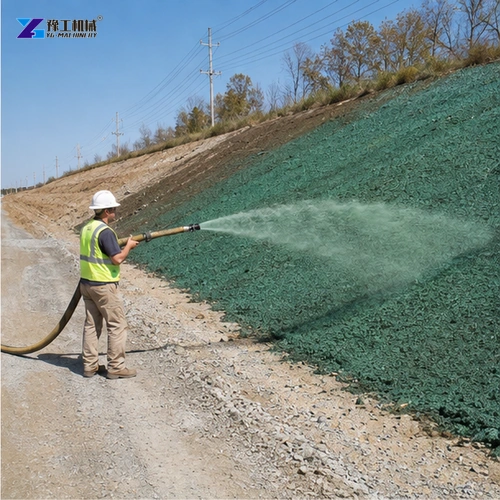
Measure the total area and divide it into practical working zones. Record slope length, vertical difference, access roads, safe equipment positions and the farthest spray point. State whether the crew will use a mounted cannon, hose or both. Photographs should show the equipment location and the route the hose must follow, not only the finished landscape.
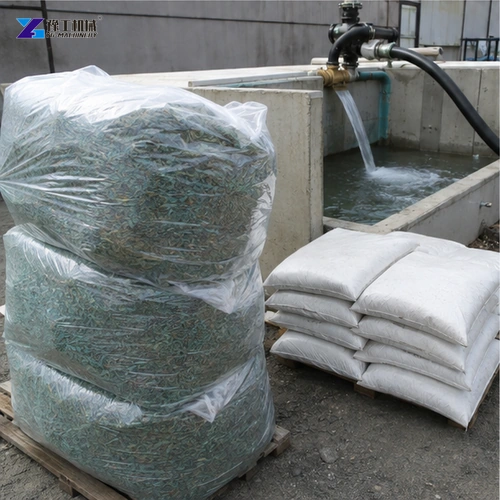
Describe the slurry recipe or the materials expected to be used. Water, seed, fertilizer, mulch fiber and optional tackifier affect mixing and pump behavior. YG cannot confirm a recipe from a general machine name; provide supplier data where available and identify any material that has previously clogged or settled in local equipment.
Refill logistics are part of output. State water source, transfer rate, material storage, crew size, travel time between zones and permitted working hours. A hydroseeding machine price comparison should include the system needed to keep production moving, not just the tank delivered to the site.
Send area, elevation, spray route, recipe and refill data. YG can identify the practical tank and reach range before optional configuration is priced.
How Do Published Tank And Reach Figures Compare?
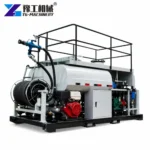
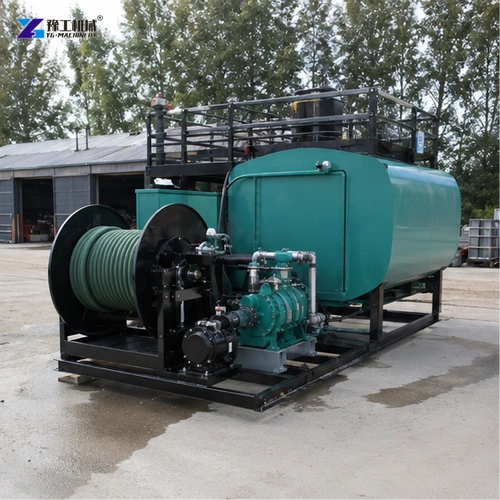
The YG hydroseeding rig range below covers four nominal tank sizes. Published coverage and reach values support preliminary comparison; actual performance changes with slurry, pump, hose, nozzle, elevation, refill time and operator method.
| Published Parameter | 2 m³ Model | 4 m³ Model | 6 m³ Model | 8 m³ Model |
| Typical Coverage Per Tank | 200–500 m² | 500–1500 m² | 700–2000 m² | 1000–2500 m² |
| Horizontal Spray Distance | 20–30 m | 20–35 m | 20–35 m | 24–40 m |
| Vertical Spray Distance | 10–20 m | 10–25 m | 10–25 m | 15–30 m |
| Horizontal Hose Head | 20–50 m | 20–60 m | 20–70 m | 30–80 m |
| Vertical Hose Head | 20–30 m | 30–40 m | 30–40 m | 30–50 m |
| Machine Weight | 1000 kg | 1300 kg | 1600 kg | 1900 kg |
| Overall Dimensions | 2.5 × 1.5 × 1.4 m | 3.3 × 1.5 × 2.4 m | 3.6 × 1.8 × 2.4 m | 4.2 × 1.8 × 2.4 m |
Coverage per tank is a range because application rate and recipe differ. Calculate the area per batch from the accepted slurry design, then include filling, mixing, spraying, clean-out and movement. The smallest model may complete a compact landscape efficiently, while repeated refilling can make it unsuitable for a long roadside project.
Spray distance is not a substitute for a site plan. Wind, elevation and safe positioning affect cannon work. Hose head must be checked with hose length, internal diameter, fittings and material. The published machine weight and dimensions also require review with the trailer or truck, payload, center of gravity and destination regulations.
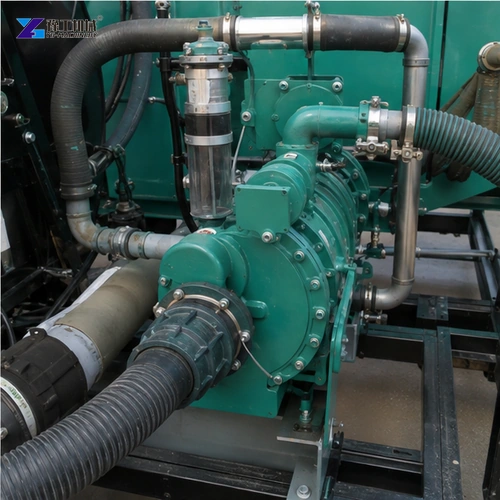
Which Mixing And Pumping Choices Affect The Price?
The mixing system must keep the approved slurry uniform from filling to final discharge. Tank geometry, agitation route, clean-out access and material loading method affect whether fibers and solids remain workable. Ask how the operator observes mixing condition and how settled material can be removed safely.
What Should The Agitation Trial Demonstrate?
Use the buyer’s intended mulch and additives. Record loading sequence, water quantity, mixing time and any recirculation or agitation settings. Inspect the first and last discharged material for consistency. A short clean-water demonstration cannot prove that a real slurry will remain mixed or pass through the complete circuit.
How Should Pump, Hose And Nozzle Be Matched?
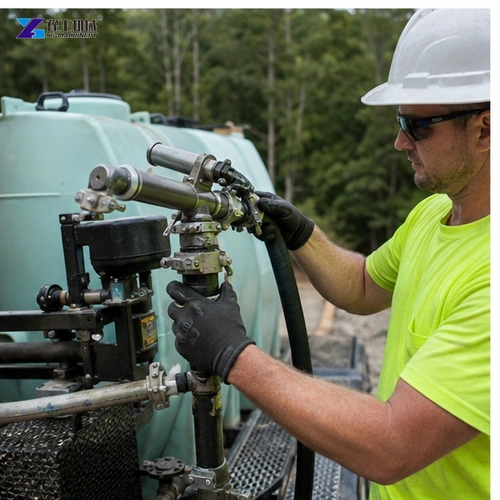
The supplier needs the farthest horizontal and vertical point, hose route, number of bends and intended nozzle. Pressure loss rises through the line, and an unsuitable hose can limit reach even when the pump is capable. Confirm fittings, spare hose, clamps and clean-out tools in the quotation. The hydroseeding machine selection guide explains why pump and access questions should follow project geometry.
Provide the recipe and route evidence so YG can review agitation and discharge components against the real material rather than add costly options without a defined duty.
REVIEW MY SLURRY AND HOSE PLAN
How Do Mounting, Power And Delivery Change The Quote?
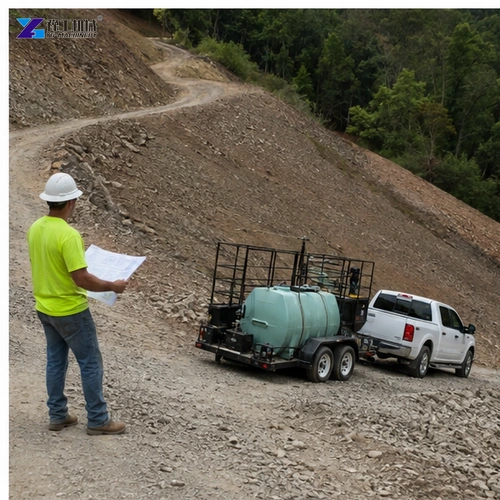
A unit may be supplied for trailer or truck installation depending on the selected scope. The responsible vehicle provider must verify payload, axle loading, mounting points, stability, dimensions and local road requirements. Tank volume alone does not establish whether a carrier is suitable, particularly when water and materials add operating mass.
Power source and controls should be itemized. Confirm engine or drive arrangement, destination fuel or electrical requirements, operator station, hose reel, cannon, remote functions if requested and safety devices. Different quotations may use the same tank size while including very different pumps, controls and accessories.
Freight depends on machine dimensions, packing, destination and delivery basis. Ask whether the offer includes export packing, inland transport, insurance, unloading, installation or commissioning. Spare parts, consumables and operator training should be separated so the buyer can compare landed and ready-to-work cost.
What Determines Cost Per Completed Area?
Purchase price is only one input. Estimate batches per day using mixing, spraying, refill, relocation and cleaning time. Include water transfer, mulch handling, fuel, crew size, hose management, maintenance and transport between sites. Rework caused by uneven coverage can outweigh a small difference in machine price.
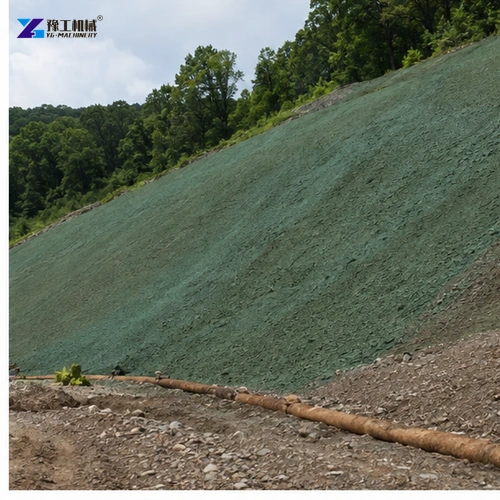
The best configuration varies by work pattern. Highway and mine-rehabilitation projects may value fewer refills and longer reach. Commercial landscaping may prioritize compact transport and frequent relocation. Steep slopes can shift the decision toward hose layout and crew safety. The equipment should remove the buyer’s largest bottleneck rather than maximize every published number.
Define the acceptance method. Coverage rate, material use per area, uniformity, reachable zones and clean-out time can be recorded during a representative trial. Do not compare suppliers using different slurry recipes or different definitions of completed area.
If the daily target and working cycle are available, YG can compare configurations on practical area output and ownership cost.
What Should A Complete Quotation Include?
The inquiry package should contain site drawings or photos, total area, slope geometry, maximum spray point, recipe, batch quantity, water supply, mounting preference, destination and expected work schedule. Identify who supplies the carrier and who approves the mounting. State any local documentation, language or compliance requirement.
An itemized offer should list tank, agitation, pump, power source, cannon, hose and reel, fittings, controls, mounting scope, spare parts, packing, freight basis, commissioning and exclusions. Confirm whether published reach figures use the same arrangement being quoted. Record any project assumptions that still need a test.
Before shipment, review identification, controls, agitation, discharge, valves, hose, clean-out access and supplied accessories. A material trial is preferable when recipe behavior is uncertain. Keep the accepted operating record for crew training and later troubleshooting.
With these boundaries agreed, YG can issue a hydroseeding machine price tied to the buyer’s actual project rather than a partial equipment number.
Hydroseeding Machine Price FAQ
No. It can reduce refills, but transport, water supply, access, mounting and crew workflow may favor a smaller or different configuration.
No. Coverage changes with recipe, application rate, slope, pump setup and operating method. Confirm it with the project specification and trial.
No. They describe different operating arrangements and must be checked with elevation, line losses, fittings and nozzle.
Provide carrier data, payload, axle limits, mounting area, center-of-gravity review and the authority responsible for vehicle approval.
Material composition affects agitation, pumping, hose behavior, clean-out and the realistic area covered per batch.
A reliable hydroseeding machine price is attached to an agreed batch, spray route, mounting plan and supply boundary. Published tank and reach data help narrow the range, while recipe trials and operating-cycle evidence prove the useful configuration. Buyers who send complete project data receive a more comparable quote and face fewer changes after ordering.