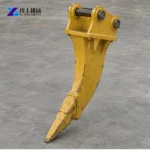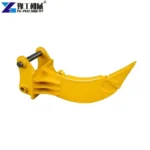
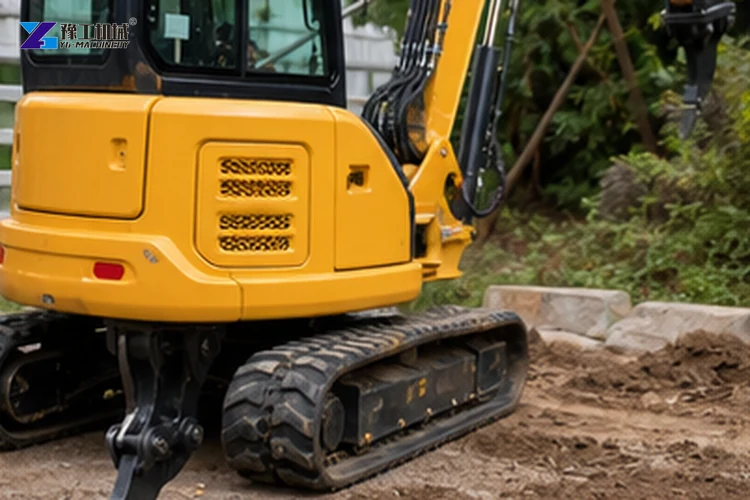
A mini excavator ripper is useful when a bucket skims over compacted ground, catches roots without cutting through the surrounding soil, or cannot start a controlled break in weathered material. The single tooth concentrates the carrier force at one point, but it is not a substitute for a breaker in every rock condition. Buyers should confirm the ground behavior, attachment fit, tooth geometry and planned passes before assuming that any ripper will work on any compact excavator.
What Ground Can A Mini Excavator Ripper Loosen?
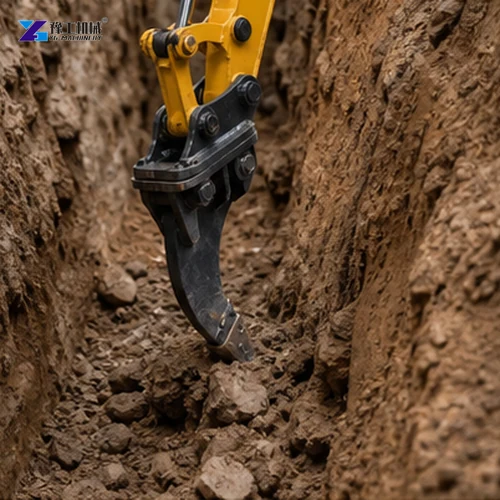
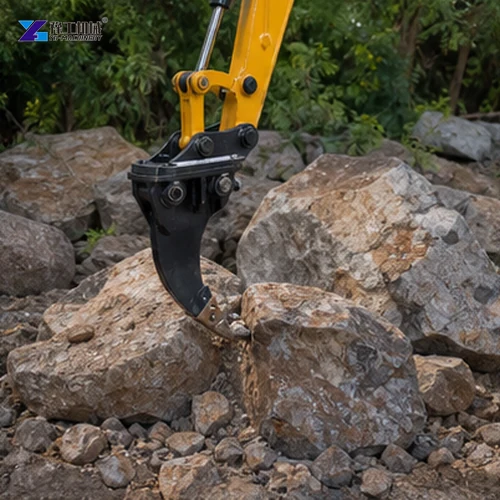
A ripper can open hard-packed soil, clay layers, frost-affected ground, roots and selected weathered rock where a bucket edge cannot gain penetration. The ground should fracture or loosen under concentrated prying force. Massive competent rock with few fractures may require a breaker, rock saw or another method. Describe moisture, layering, visible joints, root diameter and buried obstructions rather than using the word hard as the full ground specification.
Test a short area when conditions vary across the site. Observe whether the tooth enters, whether the material lifts in manageable pieces and whether the excavator remains stable. If the ripper only scratches the surface or the carrier repeatedly stalls, increasing operator force may damage pins and linkage without improving production. The correct response is to review the material and method.
Which Mounting Dimensions Must Match The Mini Excavator?
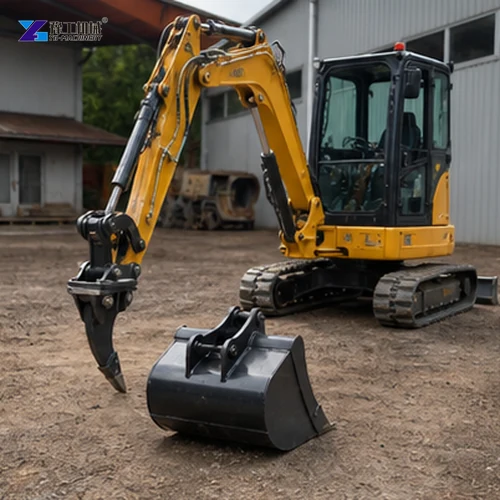
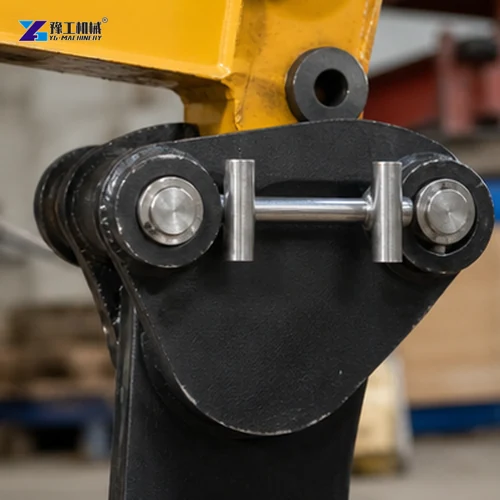
Carrier tonnage helps identify a size range, but physical fit requires pin diameter, pin-center distance, inside ear spacing and coupler details. Measure the existing bucket or obtain the carrier linkage drawing. Confirm clearance through the complete curl movement so the ripper body does not contact the arm or linkage. A photograph with measurements helps the supplier verify orientation.
Attachment weight and length affect breakout behavior and stability. A longer tooth reaches deeper but also increases leverage on the linkage. The carrier must control the attachment at the intended working radius. Verify whether the job is below grade, on a slope or beside a structure, and keep the working area within the excavator manufacturer’s approved limits.
| Model | Carrier | Length A | Width B | Thickness F | Weight |
| YG-00 | 1–2 t | 523 mm | 130 mm | 36 mm | 30 kg |
| YG-01 | 3–4 t | 523 mm | 130 mm | 36 mm | 40 kg |
| YG-02 | 4–6 t | 656 mm | 180 mm | 55 mm | 80 kg |
| YG-04 | 6–9 t | 656 mm | 180 mm | 55 mm | 85 kg |
| YG-06 | 12–16 t | 885 mm | 240 mm | 80 mm | 185 kg |
Send YG the linkage measurements and ground description before the ripper body and tooth size are confirmed.
How Should Tooth Geometry Match The Work?
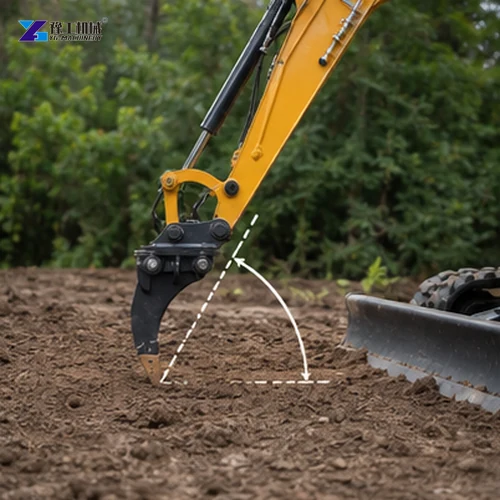
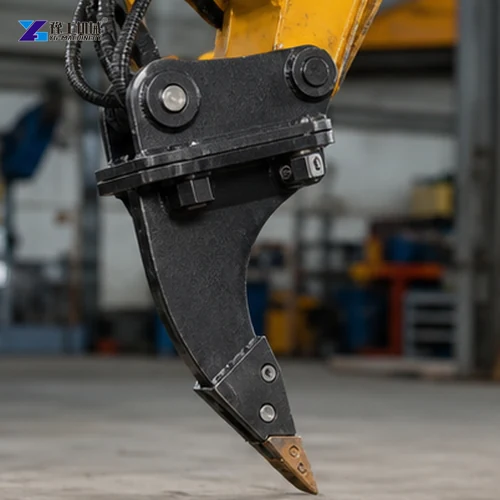
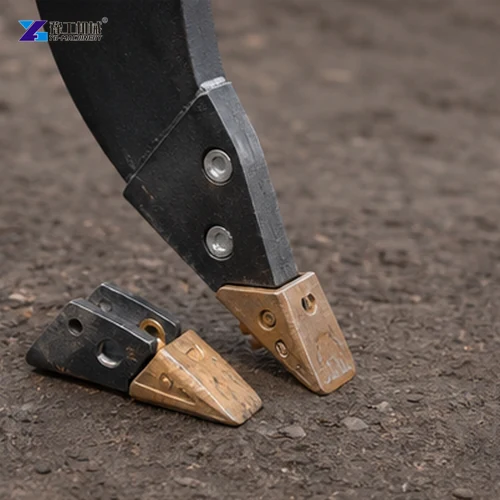
A narrow point concentrates force for initial penetration and can work around roots or fracture lines. Body shape must carry that load back to the mounting ears without unnecessary interference. Replaceable wear parts are important where the tip contacts abrasive soil or rock. Ask which components are replaceable, how they are retained and which spares should be kept on site.
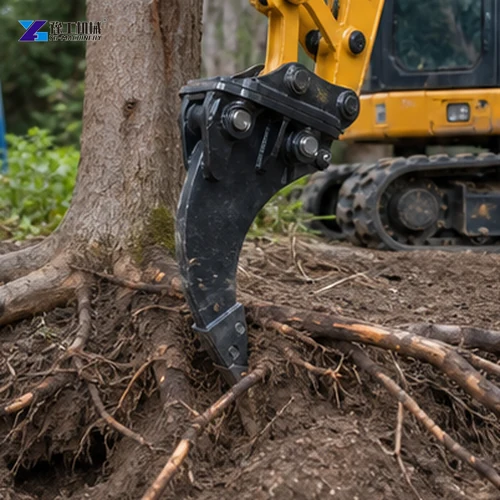
For root work, plan the direction of entry so the tooth follows and lifts the root rather than pulling blindly toward buried services. For weathered rock, work from an exposed edge or natural joint. For compacted fill, loosen in parallel passes before switching to the bucket. Tooth geometry supports the method, but operator sequence determines whether the attachment opens material cleanly.
Need help matching the configuration to your project? Send the working conditions and YG can review the practical equipment scope for Ripper Tooth for Mini Excavator.
How Should Ripping Passes Be Planned?
Begin with shallow passes to identify resistance and hidden obstacles. Keep the tooth aligned with the intended pull and avoid twisting it sideways. Once a line is opened, repeat at spacing suited to the bucket width and fragment size. The bucket can then remove loosened material without using the ripper as a general loading tool. This division of work reduces unnecessary side loads.
On slopes, maintain a stable excavator position and work within safe reach. In restricted access, plan where loosened material will be stored so it does not block the next pass. Mark utilities and exclusion zones before penetration. If the tooth encounters an object that does not behave like natural ground, stop and identify it instead of increasing force.
What Wear And Linkage Checks Protect The Attachment?
Inspect the point, wear plates, welds, ears, pins and retaining hardware at the start of work. Excess clearance allows impact movement that accelerates wear in both attachment and carrier. Grease the linkage at the specified interval and keep mating surfaces clean during installation. Replace a worn tip before the body begins contacting the ground.
Watch for bending, cracking, loose retainers or an uneven wear line. These signs can indicate side loading, an unsuitable working angle or material beyond the intended method. Record wear hours and ground condition so spare planning reflects the actual site. Do not repair a structural crack without an approved procedure and compatible material.
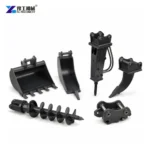
Review the YG ripper tooth for excavator, concrete breaker attachment and excavator rock saw pages when comparing loosening, impact fracture and controlled cutting.
Ripper Tooth for Mini Excavator FAQ
It can loosen selected weathered or fractured rock. Competent massive rock may require a breaker or cutting method after material review.
Fit depends on the coupler interface and linkage dimensions. Provide pin diameter, centers, ear spacing, coupler model and photographs.
It can expose and loosen suitable roots when utilities and site conditions are checked. Root diameter, soil and working direction affect the method.
Replace it when wear reduces penetration, exposes the body or reaches the supplier limit. Inspect retainers and holder condition at the same time.
Send excavator model, operating weight, linkage measurements, ground description, working depth, slope or access conditions and destination.
Need help matching the configuration to your project? Send the working conditions and YG can review the practical equipment scope for Ripper Tooth for Mini Excavator.
Confirm Ground Behavior And Physical Fit Before Ordering
A useful request contains two groups of evidence: measurements proving that the attachment fits the carrier and site information showing that ripping is the right ground method. Add photographs, expected depth, working position and daily hours. YG can then recommend a suitable ripper size and explain when another attachment should be used for part of the job.