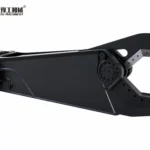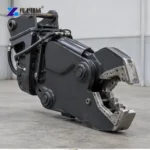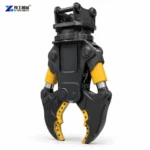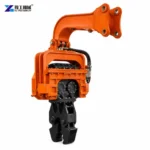
Are you searching for a dependable excavator shear attachment? YG machinery has the right solution. Our eagle beak shear works as a professional hydraulic tool for tough cutting jobs. This attachment easily cuts steel beams, pipes, tanks, and scrap metal. It features a 360-degree hydraulic rotation, so you can position the jaw quickly and accurately. This design boosts work efficiency on demolition sites and scrap yards. YG machinery builds each shear with high-strength steel. The result is long service life and low maintenance needs. We offer a wide range of models to fit excavators from 10 to 110 tons. Moreover, our team supports you from selection to after-sales service. So you get the best excavator shear for sale on the market.
With years of experience, YG machinery focuses on attachment manufacturing. We use advanced CNC machining and heat treatment processes. Every shear passes strict quality checks. As a result, our metal shear for excavator delivers reliable performance even in tough jobs. In addition, we offer customization options for different working conditions. Simply contact us with your excavator model and job requirements. We will recommend the best-fit tool for your project.
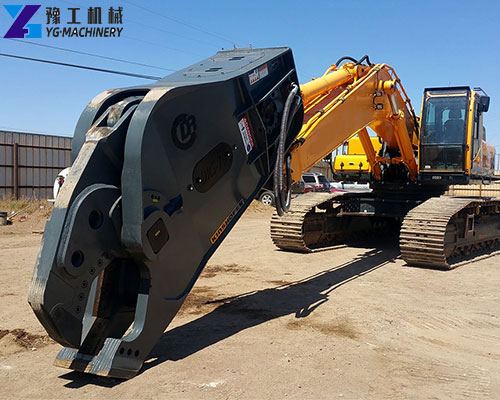
Excavator Shear Attachment Parameters
| Item/Model | Unit | YG180RT | YG280RT | YG330RT | YG380RT | YG430RT | YG480RT | YG580RT | YG780RT | YG980RT |
| Arm Installation | ton | 13–17 | 18–27 | 25–35 | 28–39 | 40–50 | 42–50 | 51–65 | 68–90 | 91–110 |
| Boom Installation | ton | 10–12 | 14–18 | 20–28 | 20–28 | 28–39 | 28–39 | 40–50 | 51–65 | 66–90 |
| Working Pressure | bar | 250–300 | 250–300 | 300–320 | 320–350 | 320–350 | 320–350 | 320–350 | 320–350 | 320–350 |
| Working Flow | lpm | 90–110 | 180–220 | 200–250 | 200–250 | 250–300 | 250–300 | 275–375 | 500–600 | 600–700 |
| Weight | kg | 1100 | 2100 | 3000 | 3500 | 4500 | 4600 | 5800 | 7800 | 9800 |
| Rotating Flow | lpm | 30–40 | 30–40 | 30–40 | 30–40 | 30–40 | 30–40 | 30–40 | 50–60 | 55–65 |
| Rotating Pressure | bar | 90–100 | 100–115 | 100–115 | 100–115 | 100–115 | 100–115 | 100–115 | 140–150 | 170–190 |
| Opening | mm | 375 | 485 | 595 | 620 | 700 | 740 | 780 | 860 | 950 |
| Cutting Depth | mm | 395 | 525 | 630 | 600 | 720 | 750 | 780 | 850 | 940 |
| Length | mm | 2100 | 2700 | 3200 | 3280 | 3700 | 3800 | 4000 | 4300 | 4600 |
Jaw opening describes the space available to admit a section; it is not a maximum steel-thickness rating. A wide, thin-walled pipe may enter the mouth readily but deform before it separates. A compact solid bar can impose a greater cutting load despite its smaller outside dimension. Compare the material grade and section drawing with the cutting position approved for the particular jaw.
The carrier bands in the table distinguish boom and arm installations. Removing the dipper for a boom-mounted shear changes the working arrangement; attaching at the arm end changes reach and the load carried at that position. Neither band replaces a check of the excavator model, attachment mass, centre of gravity, hydraulic circuit and mounting dimensions. A nominally suitable tonnage alone does not establish compatibility.
For a scrap-steel proposal, send the section drawing and excavator model so the jaw and mounting arrangement can be checked together.
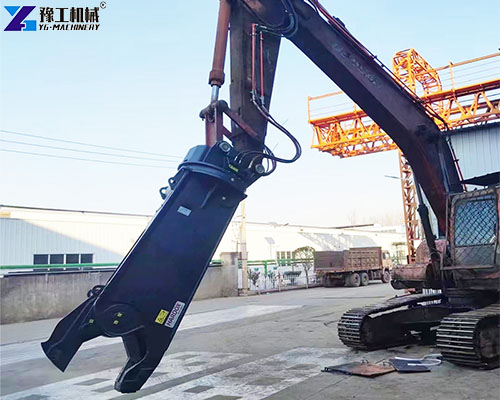
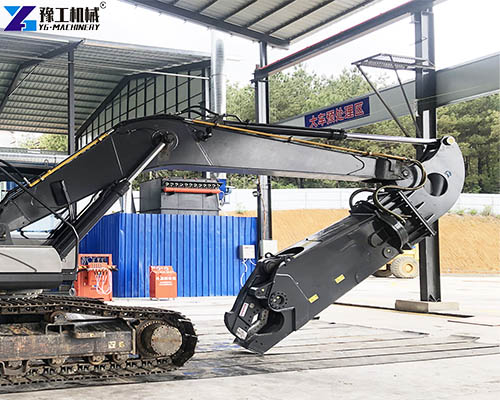
Main Components and How Our Hydraulic Shear Attachment For Excavator Works?
The hydraulic shear attachment for excavator consists of several key parts. First, the main body frame is built from high-tensile steel. Second, it includes a hydraulic cylinder that drives the movable jaw. Third, the cutting blades are made from wear-resistant alloy steel. Fourth, a hydraulic rotary motor allows 360-degree continuous rotation. In addition, a swivel joint ensures smooth hydraulic oil flow during rotation.
Now, let us explain how this hydraulic shear attachment works. Hydraulic oil from the excavator enters the cylinder through hoses. The cylinder pushes the piston forward. This motion closes the movable jaw against the fixed jaw. As the jaws meet, the blades cut through metal materials. Then the reversing valve directs oil back to retract the jaw. Meanwhile, the rotation motor lets you position the shear head at any angle. This smart design speeds up scrap processing and demolition tasks.
For scrap steel cutting, position the material so it engages the intended blade area rather than taking an oversized bite near the tips. The relevant selection question is whether the jaw can admit, hold and cut that section through the required working range. Cutting force is not constant throughout every jaw position, so a headline force cannot be converted directly into a universal steel capacity.
Describe the cut location and access to the member, including how the separated piece will be controlled.
Applications of Excavator Shear For Sale
You can use an excavator shear for sale from YG machinery across a wide range of job sites. The tool handles many materials, which reduces the need for extra machines. Below are the main areas where it shines.
- Scrap preparation: cut suitable steel sections, pipes and dismantled metal into pieces that can be handled and sorted. Section shape, wall thickness and steel grade determine whether a proposed cut fits the selected jaw.
- Selective demolition: separate approved steel members after the structure and lifting sequence have been assessed. This metal-cutting shear is not a substitute for a concrete pulverizer, and cutting a load-bearing member requires an engineered demolition sequence.
- Recycling yards: reduce compatible vehicle or machinery scrap after depollution and removal of hazardous contents. Closed tanks, pressurized vessels and unknown containers need specialist assessment before cutting.
- Restricted-access work: a rotating jaw can help align a cut where the carrier can be positioned safely. Rotation does not eliminate the need for stable ground, clearance and control of the released piece.
- Processing heavy scrap: discuss the exact section and intended bite position rather than selecting by the word steel alone. A solid bar, an open beam and a hollow section do not present the same cutting load.
For the wider sequence of concrete reduction, steel separation and handling, see the excavator demolition attachment workflow.
Separate concrete reduction from metal cutting in the equipment request so each working stage has an appropriate tool.
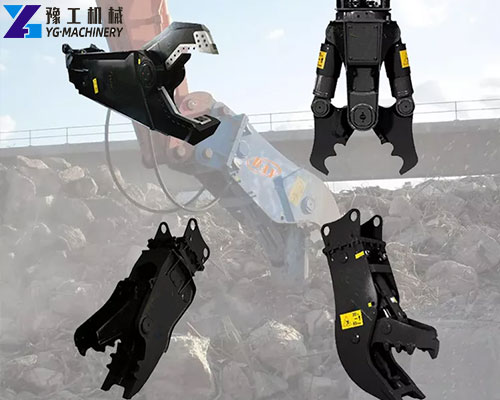
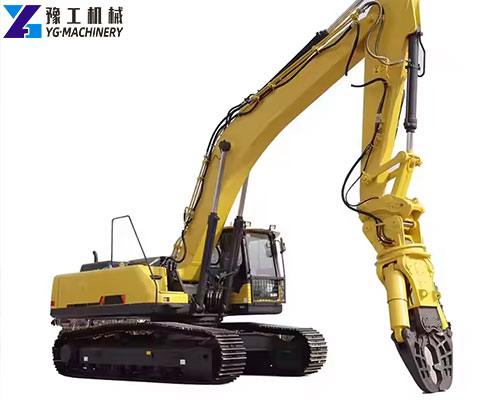
YG Machinery Excavator Shear Attachment Advantages
- Model choice: the range offers different jaw openings, attachment weights and mounting arrangements. Select the configuration against the actual carrier and material, not the largest nominal force in the range.
- Jaw positioning: hydraulic rotation helps bring the blades into line with a section. Check hose routing and the permitted rotation procedure; rotation alone does not establish unlimited continuous movement.
- Hydraulic operation: the excavator supplies hydraulic power to the attachment. Available flow and pressure, return-line requirements and attachment controls must match the chosen configuration.
- Service access: replaceable wear parts can support maintenance, but blade clearance, tightening and replacement follow the attachment instructions. Do not treat field sharpening as suitable for every blade.
- Parts planning: include blade sets, pins and other identified wear items in the service discussion. Confirm part identification and current lead time rather than assuming every spare is permanently in stock.
For a mixed demolition job, separate the metal-cutting task from concrete reduction and scrap handling. Using a steel shear to crush an entire reinforced-concrete member can load the jaw differently from its intended cutting operation. Identify which attachment performs each stage before choosing the machine package.
Include the selected model and expected scrap types when discussing blades and service parts.
FAQ About Hydraulic Shear Attachment For Excavator
Provide the steel grade and section dimensions, including wall thickness for hollow sections. Jaw opening shows admission space, not a universal cutting capacity. The proposed cut must be checked against the selected jaw and blade position.
No. Check the mounting arrangement, attachment weight, hydraulic flow and pressure, return requirements and the actual excavator configuration. Boom and arm installations have different working arrangements.
Not automatically. Steel cutting and concrete reduction place different demands on the tool. Select a concrete-processing attachment where the task is primarily breaking concrete, and assess any load-bearing cuts within the demolition plan.
Do not assume so from the word rotating. Confirm the specific rotation arrangement, hose routing and operating instructions for the selected attachment.
Identify the shear model and blade set, and confirm the service procedure and availability. Blade clearance and replacement requirements are model-specific; not every blade should be sharpened on site.
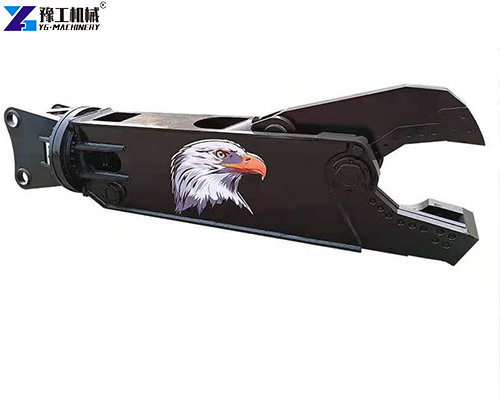
Choose a YG Excavator Shear Attachment for Your Carrier
Now you can order our excavator shear attachment. We also supply many other proven attachments. For example, we offer double cylinder shear, high frequency pile driver, drill-split integrated machine, milling cutter, vacuum suction cup, pile breaker, hydraulic breaker, rock saw, crusher bucket, concrete pulverizer, compactor, ripper, and car dismantling shear. No matter your job, YG machinery has the right tool ready. Contact us today for a detailed quotation. Our team will reply within 24 hours.
Describe the product configuration and intended application for a specific equipment proposal.