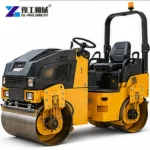
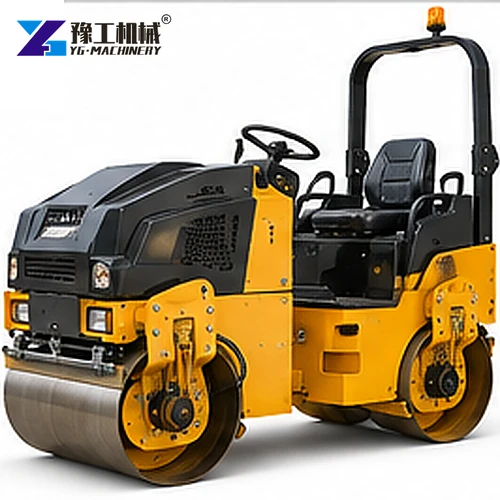
Vibratory Road Roller Decisions Start With The Repair Plan
A repair crew should first separate thin asphalt patches from wider resurfacing work. For a short repair, maneuverability and a compact drum width can matter more than production width. For a repeated route, the operator also needs predictable travel speed, stable vibration and a practical water supply for the day’s material and weather conditions.
The Vibratory Road Roller should enter the job only after the base is sound, loose edges are cut back and the layer thickness is confirmed. This sequence helps the drum work uniformly across the patch instead of pressing a weak edge into the repair. It also gives the purchaser a clear brief for selecting a suitable YG configuration.
Set The Asphalt Rolling Pattern Before Material Arrives
Mark the first pass, overlap and turnaround area while the repair is still being prepared. This prevents a machine from waiting on the roadway without a clear route. On a narrow patch, crew members can protect the edge line, guide the roller through the first pass and confirm that joints receive the same attention as the centre of the repair. The result is a more disciplined sequence from delivery to final finish.
The plan should also state who checks the surface after compaction. A supervisor can compare the repair against the surrounding pavement, record any edge correction and release the lane only when the finish is ready for the following operation. That final check keeps the rolling decision connected to the customer-facing condition of the repair and gives the crew a repeatable closeout routine for every patch.
Vibratory Road Roller Parameters That Change The Job
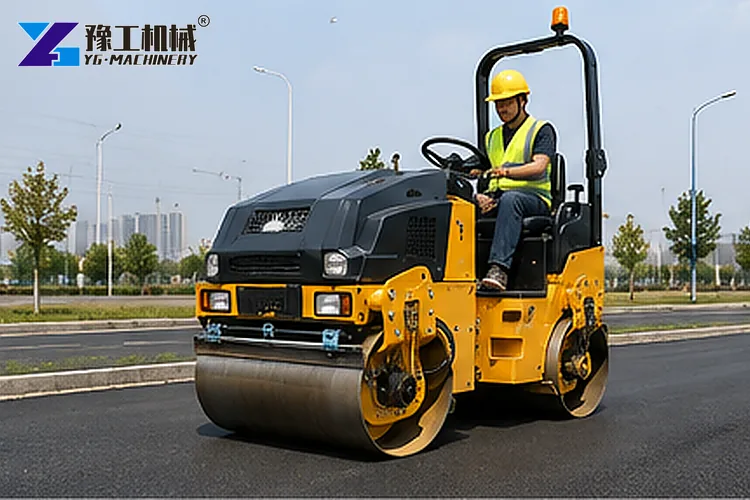
Carrier weight, drum geometry and exciting force are the figures that translate a machine listing into a workable compaction plan. The table below uses the published YG references for two walk-behind double-drum configurations. A sales specialist can confirm the final package against the material, site access and destination.
| Parameter | YGM-600D | YGM-600 |
| Engine Output | 6.0 hp / 3600 rpm | 5.5 hp |
| Travel Speed | 0–4 km/h | 2.4 km/h |
| Gradeability | 30% | 25% |
| Static Linear Load | 45 N/cm | 45 N/cm |
| Drum Size | 450 × 600 mm | 426 × 600 mm |
| Exciting Force | 20 kN | 20 kN |
| Vibration Frequency | 70 Hz | 70 Hz |
| Water Tank | 15 L | 15 L |
| Operating Weight | 550 kg | 330 kg |
A 20 kN, double-drum machine is often a practical reference for controlled patch work because both drums contribute to coverage. The final choice should account for the repair width and any curb, gate or trailer restriction. If the route has slopes, include the actual gradient in the inquiry so the travel arrangement can be checked before dispatch.
Turn Published Roller Data Into A Useful Purchase Brief
A specification sheet becomes useful when it is compared with the working day. Record the maximum repair width, the access point, the trailer or vehicle used for transport, and the number of locations the crew normally visits. Ask whether the machine will compact warm asphalt, granular base or both. These details clarify whether compact travel, water capacity and drum dimensions support the buyer’s actual maintenance route.
Vibratory Road Roller Work Rhythm For Asphalt Repair
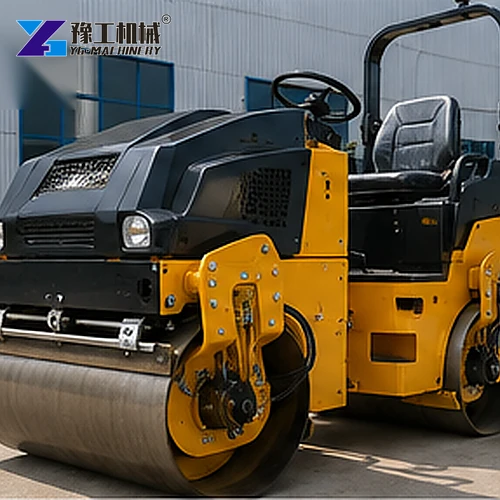
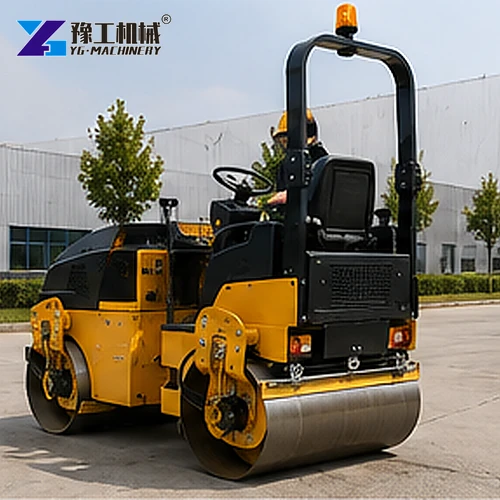
Compaction is easier to manage when the crew agrees the rolling pattern before the paver or repair team finishes the patch. Start with the edges where the repair joins the existing surface, then work across the material with overlapping passes. The operator should keep the travel path deliberate rather than repeatedly turning on fresh asphalt.
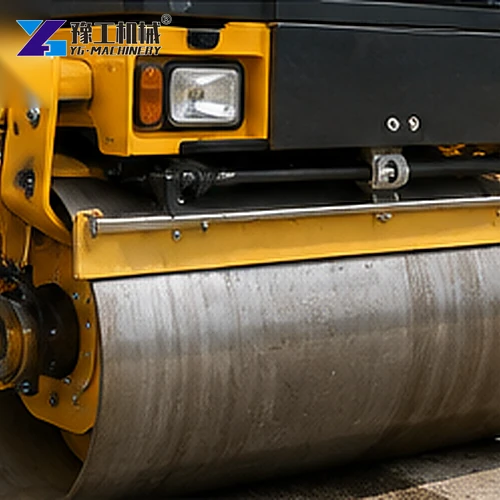
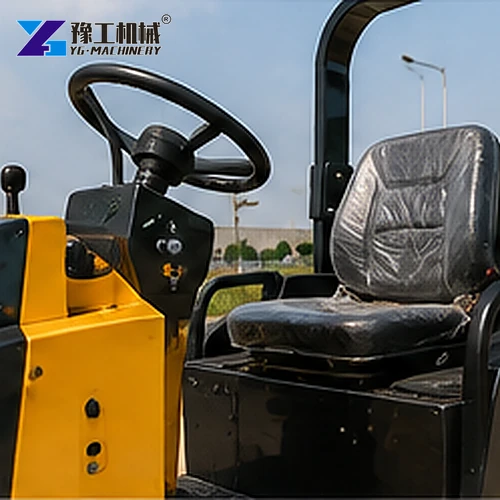
Water is a job-control detail, not an afterthought. A clean spray arrangement helps reduce asphalt pickup on the drum, while an operator-control check before the shift avoids losing time after material arrives. These practical checks are especially valuable on dispersed maintenance jobs where a crew moves between small repairs during one day.
Vibratory Road Roller Related Equipment And Buyer Questions
A road repair plan normally links compaction with crack treatment, marking or a larger paving sequence. Buyers planning a coordinated fleet can also review the asphalt crack filling machine, road line marking machine and the YG mini road roller range. Each page supports a different part of the maintenance workflow.
A concise quote request should state the repair material, usual layer depth, patch width, maximum slope, local power or fuel preference, and destination. That information lets YG recommend a Vibratory Road Roller configuration that fits the daily route and the way the crew actually works.
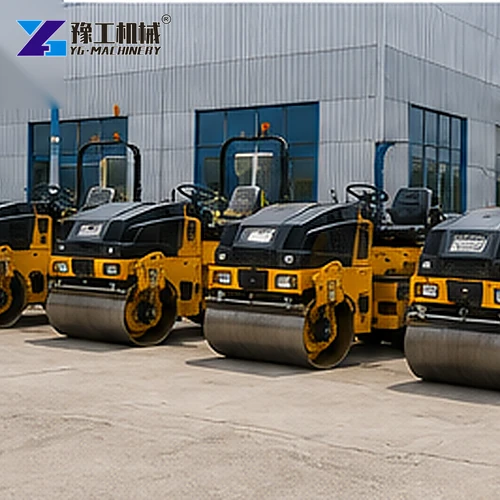
Vibratory Road Roller FAQ
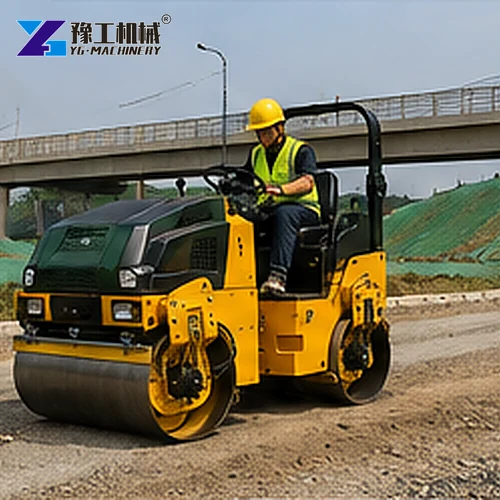
Walk-behind rollers suit small asphalt repairs, footpaths, parking areas and narrow access routes. Match the drum width and vibration setting to the planned repair area.
Drum water helps limit asphalt pickup on the steel surface. Check the spray system before the shift and keep the tank clean for reliable coverage.
A compact roller can work on an approved slope within its published capability. Include the actual gradient and surface condition when requesting the configuration.
Send the repair type, working width, material, expected daily workload, site access and destination. YG can then review the appropriate machine and shipping scope.
Vibratory Road Roller Next Step
A clear repair brief makes the final selection faster: share the material, repair width, layer depth, access limits, typical route and destination. YG can then match the roller configuration to the work instead of offering a generic machine.