
Project-Based Equipment Selection
Construction Equipment Applications
Find the right equipment by defining the work result, material, capacity, access and operating conditions first. Explore practical routes for demolition, foundation drilling, concrete construction, roads, loading and site support.
Discuss Your ProjectChoose Equipment By The Work Result
Start with the result the site must deliver rather than a machine name. Demolition buyers may need controlled concrete reduction, steel separation and on-site material processing. Foundation teams must define hole diameter, depth, soil profile and access. Road crews should separate compaction, surface preparation, paving and marking because each stage requires different equipment.
The application routes below connect those project questions to published YG equipment pages. Use them to build a shortlist, then send the site conditions for a model-level recommendation.
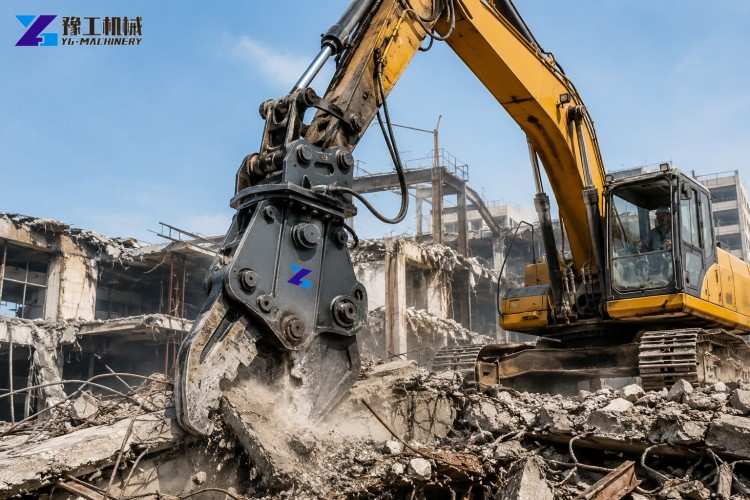
Demolition And Material Recovery
Plan breaking, cutting, pulverizing, crushing and scrap handling as one workflow instead of selecting each attachment in isolation.
View Equipment Details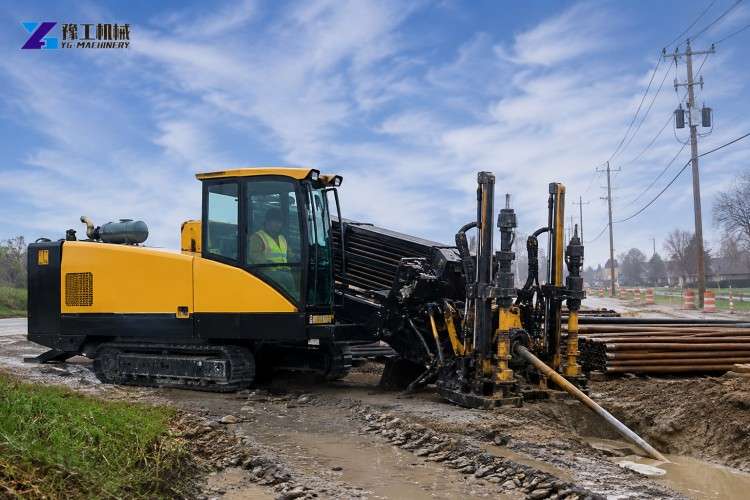
Foundation And Trenchless Work
Compare rotary drilling, horizontal directional drilling and pile solutions by ground profile, geometry and access.
View Equipment Details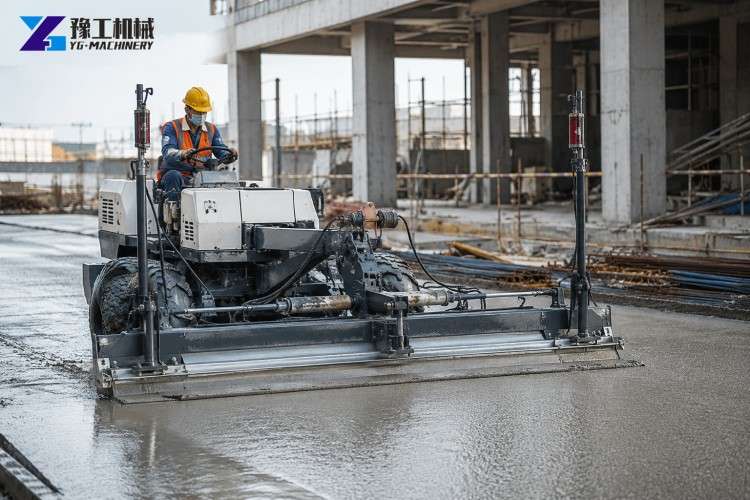
Concrete Construction
Match placing, leveling, wall finishing and component production equipment to the required output and finish tolerance.
View Equipment Details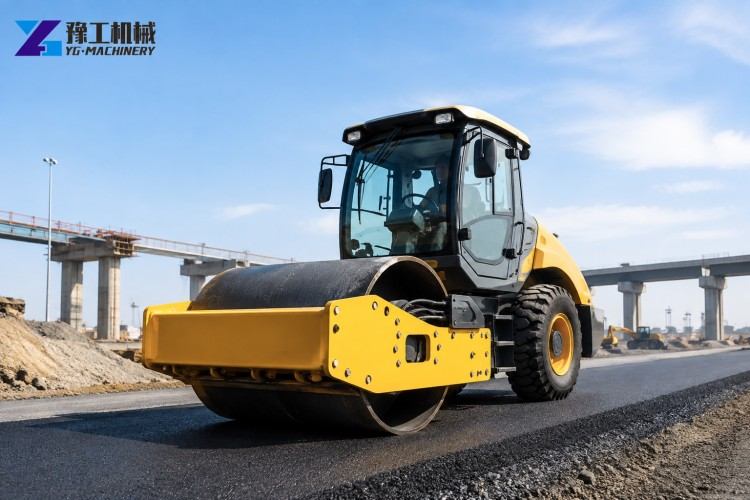
Road Construction And Maintenance
Connect compaction, crack repair, surface preparation and line marking to traffic control and finished-road requirements.
View Equipment Details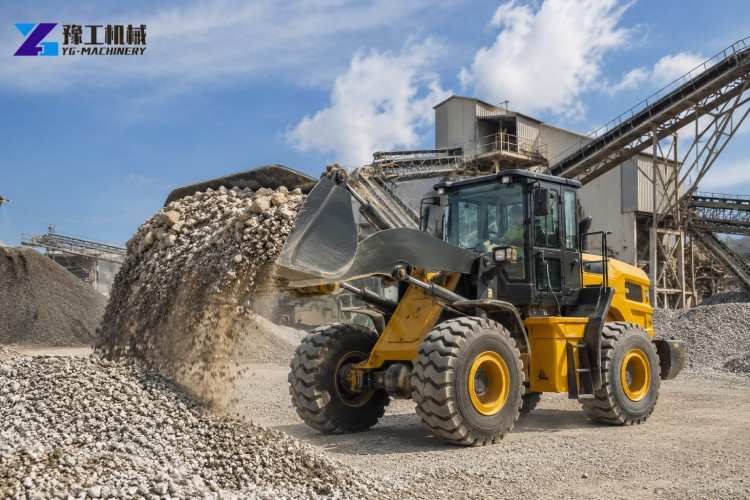
Loading And Restricted Access
Evaluate payload, lifting radius, aisle width, ground pressure and travel route before selecting mobile equipment.
View Equipment Details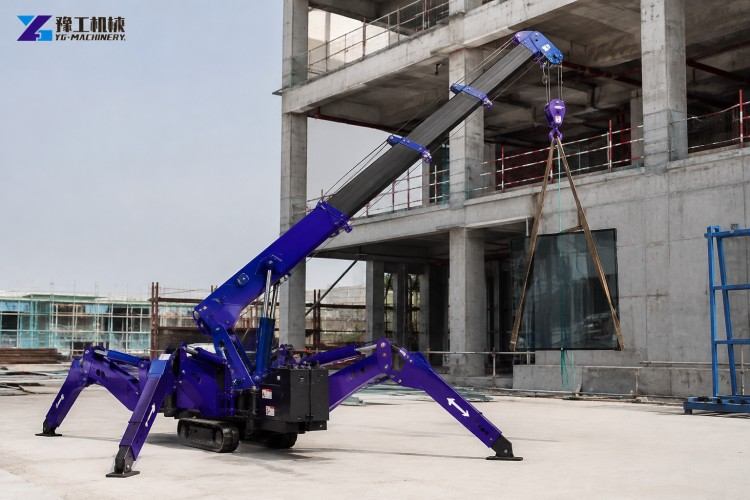
Utilities And Site Support
Identify the power, compressed air, lifting or auxiliary equipment needed to keep the main production process working.
View Equipment DetailsWhat Information Produces A Useful Recommendation?
A useful equipment recommendation requires the material or ground condition, target output, key dimensions, available power or hydraulic flow, working space, transport limits and project location. For attachments, include the carrier model, operating weight, pin diameter, ear spacing and auxiliary circuit data. For production equipment, include raw material, required hourly capacity, finished-product specification and planned utilities.
These details help separate models that merely fit from configurations that can deliver the required result. They also allow the quotation to identify included equipment, local site work, commissioning needs, consumables and optional accessories.
Restricted Site
Record doorway width, turning space, overhead clearance, floor loading and the complete travel route.
Variable Material
Describe hardness, moisture, reinforcement, particle size or soil layers because these conditions change tool and power selection.
Production Target
State the required output together with product quality or finish tolerance; capacity alone does not define suitability.
Delivery Planning
Provide destination, unloading conditions, local voltage and the expected operating date so configuration and logistics can be aligned.
Buyer Questions
Can YG Recommend A Model From A Project Description?
Yes. A project description can establish the equipment family, but model selection also needs dimensions, capacity, material and site conditions.
Should I Choose The Lowest-Cost Machine First?
No. Compare the complete working scope, required accessories, utilities, labor and expected output before comparing purchase price.
What Photos Should I Send?
Send the work area, access route, material or ground, existing carrier or utilities, and the finished result you need.
Can One Machine Cover Several Tasks?
Sometimes. Multi-purpose equipment can reduce mobilization, but the attachment or configuration must still match each task’s load and quality requirements.
Turn Your Site Conditions Into A Clear Equipment Shortlist
Send the project type, material, required capacity, key dimensions, power or carrier details, working space and destination. YG can then recommend a practical configuration and quotation scope.
Request Equipment Recommendations