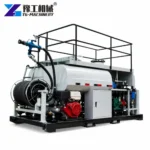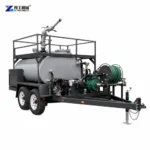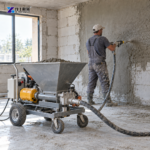
A hydroseeding trailer mixes and applies a water-based slurry containing seed, mulch and other materials specified for the revegetation task. The tank carries the batch, agitation keeps it usable, and the pump delivers it through a hose or spray assembly. Those functions are connected: a large tank cannot compensate for poor mixing or an unsuitable delivery system.
Understanding the material path makes the equipment easier to use and compare. Fibres must become dispersed, the mixture must remain suitable for pumping, and the nozzle must distribute it across the prepared ground. The machine is application equipment, not a guarantee that any seed mixture will establish vegetation on any slope.
Hydroseeding Trailer Mixing And Pumping Principles
Water is the carrier that allows the selected materials to move from the tank to the ground. Agitation distributes those materials through the liquid so the pump does not receive alternating pockets of dilute water and concentrated fibre. Consistency matters because an uneven batch changes both how the equipment feeds and what reaches different parts of the treated area.
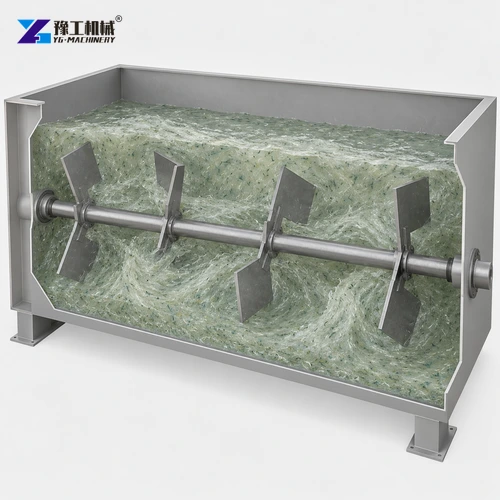
Mechanical agitation uses moving paddles or similar components to circulate the mixture within the tank. Jet agitation instead depends on liquid circulation through directed returns. These are different mixing arrangements with different material capabilities. The exact supplied YG unit needs an agitation system suited to its intended mixture; a photograph of a tank cannot establish which materials it can process.
Fibrous mulch is particularly important. Dry fibres need to become wetted and dispersed rather than remain in clumps. A mixture containing long or concentrated fibres creates a different pumping task from water carrying a small quantity of seed. The selected pump, outlet, valves and nozzle must accommodate that material path. Adding water indiscriminately is not a substitute for the correct equipment or the specified application recipe.
The pump supplies the energy for delivery. Some of that energy is used overcoming resistance through the line and fittings, and some is used lifting the mixture when the discharge point is above the machine. The remaining delivery conditions affect the spray at the nozzle. This explains why tank volume, maximum open-air reach and performance through a particular hose must not be treated as interchangeable specifications.
The equipment can therefore be understood as three linked systems: batch preparation, material circulation and discharge. Stable application requires all three to work with the actual slurry, rather than judging the machine by how far it throws clean water.
The tank, agitation and delivery system need to handle the same specified mixture.
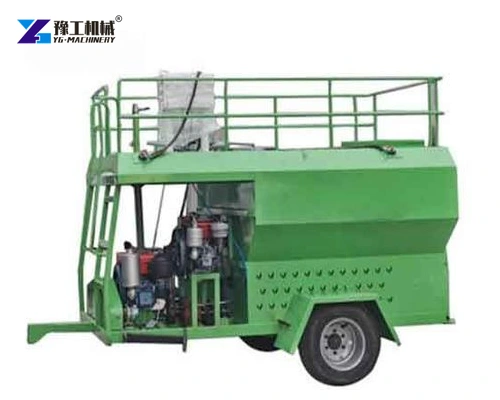
YG Hydroseeding Trailer Tank And Spraying Specifications
The YG-2, YG-4, YG-6 and YG-8 configurations provide a concrete basis for comparing the spraying equipment. The table describes the hydroseeding-machine family; it does not certify a trailer chassis, loaded towing weight or road approval.
| Model | YG-2 | YG-4 | YG-6 | YG-8 |
| Tank volume | 2 m³ | 4 m³ | 6 m³ | 8 m³ |
| Listed spraying area | 200–500 m² | 500–1,500 m² | 700–2,000 m² | 1,000–2,500 m² |
| Horizontal spraying distance | 20–30 m | 20–35 m | 20–35 m | 24–40 m |
| Vertical spraying distance | 10–20 m | 10–25 m | 10–25 m | 15–30 m |
| Listed machine weight | 1,000 kg | 1,300 kg | 1,600 kg | 1,900 kg |
| Dimensions | 2.5 × 1.5 × 1.4 m | 3.3 × 1.5 × 2.4 m | 3.6 × 1.8 × 2.4 m | 4.2 × 1.8 × 2.4 m |
Tank volume is a storage dimension, while treated area depends on the selected recipe and application rate. A thicker required application uses more material per square metre and changes how far a load goes. The listed area range is not a guaranteed result for every mulch product, substrate or erosion-control specification.
The distance rows describe spraying reach, not the hose length included in the package. A long hose, several bends or an uphill delivery route can create conditions quite different from open-air spraying near the machine. The actual hose arrangement needs to be identified with the pump and nozzle, especially where the receiving ground cannot be reached directly.
The YG hydroseeding machine range supplies the related product context. In a towable package, the tank unit and wheeled structure must also be matched to the real loading arrangement. Water, materials, accessories and the chassis contribute to the working package; the machine-weight row alone is not an acceptable towing specification.
Match the YG tank unit and its loaded wheeled package as separate parts of the specification.
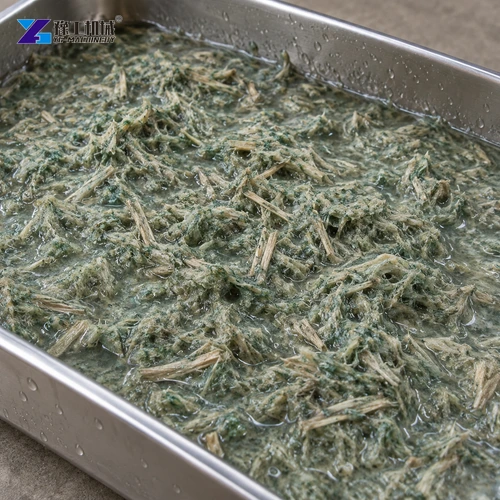
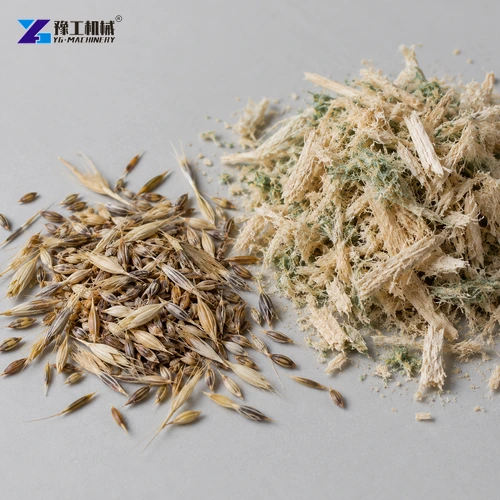
Seed And Mulch Behaviour Inside A Hydroseeding Trailer
The slurry is not simply green water. Seed, mulch, fertilizer and any specified binder have different jobs. Seed supplies the intended vegetation, while mulch can help form a protective cover and retain moisture. Other materials are chosen for the planting and erosion-control specification. Their use and quantities belong to a suitable agronomic or project design, not a universal recipe inferred from the machine size.
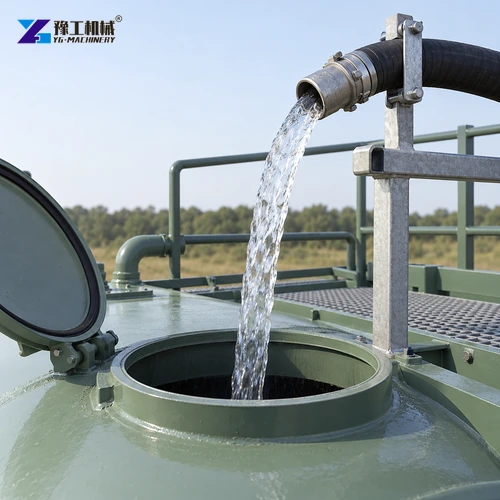
Water availability and quality also matter. Material should be prepared using a supply suitable for the selected seed and additives, without introducing debris that obstructs delivery. The fill arrangement needs appropriate protection against contamination and backflow. A convenient hose connection does not automatically make every water source suitable.
Loading order and mixing time affect whether materials disperse, but the correct procedure depends on the supplied equipment and the chosen products. Dropping large quantities of dry fibre into an unsuitable agitation system can create persistent clumps. Conversely, prolonged processing is not automatically beneficial to every seed or additive. Follow the machine and material instructions rather than inventing one batch sequence for all mixtures.
The surface receiving the material is equally important. A deposited slurry cannot correct unstable ground, an unsuitable growing medium or concentrated runoff. On a prepared seedbed, application is one stage in establishing vegetation; on an erosion-prone slope, the project may need additional stabilization measures. The hydroseeding trailer should be selected for the mixture required by that design, not used to redefine the design around an available pump.
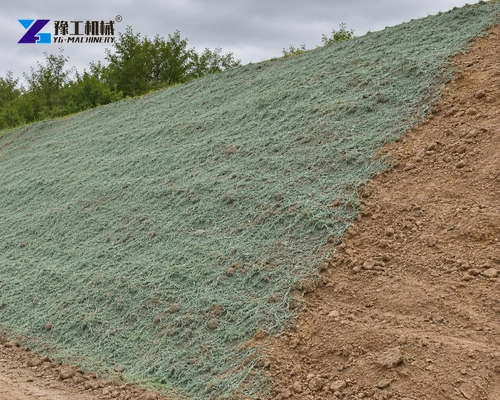
This relationship also explains why coverage should be assessed by material application rather than colour alone. A visibly tinted surface does not prove that the required seed, mulch or binder quantity has been deposited uniformly. The operating plan needs a way to relate the prepared batch to the treated area without relying solely on appearance.
The intended seed and mulch mix determines the material-handling demand.
Hydroseeding Trailer Hose And Nozzle Application
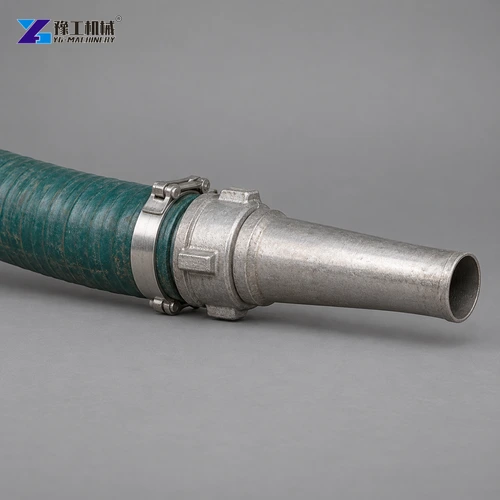
The discharge assembly turns a mixed batch into a controlled distribution pattern. A nozzle that gives a useful broad pattern on accessible ground may not be the right arrangement for a recess or distant face. Material consistency, nozzle geometry and delivery conditions determine the practical pattern together. Maximum reach alone says little about uniform placement on a complicated slope.
Hose routing creates resistance and handling loads. Tight bends, restrictive fittings and incompatible nozzle openings can make fibre-rich material harder to deliver. Increasing engine speed is not a diagnosis for every weak spray: a restriction, unsuitable mixture or worn pump can produce similar symptoms. The supplied operating limits and maintenance instructions determine what checks are appropriate.
Application should avoid treating a slope as a target for the most concentrated possible jet. Excessive impact can disturb an exposed seedbed, while a very diffuse or poorly controlled pattern can miss sheltered patches. The operator needs a stable working arrangement and a pattern suited to the surface. Safe positioning and fall-risk controls must follow the site method; the machine’s spraying distance is not permission to operate at an unsafe edge.
For interrupted terrain, a hose may provide access that a fixed spray assembly cannot. It also requires coordinated handling so that movement does not kink the line or unexpectedly change the nozzle position. Pressurized connections must remain suitable and secure. Clearing a suspected obstruction requires isolation and pressure relief according to the equipment procedure, not opening a coupling while delivery is still possible.
Select the hose and nozzle together with the slurry and receiving slope.
Hydroseeding Trailer Flushing And Wear Prevention
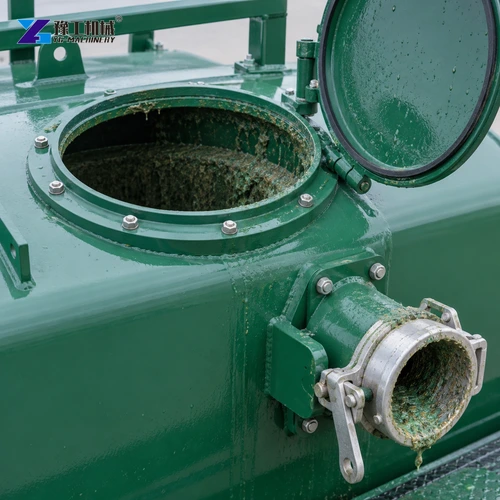
Residual slurry remains in the tank, outlet, pump and line after useful spraying ends. As water drains or evaporates, fibrous material can become more difficult to remove. Prompt cleaning using the specified procedure reduces the chance that yesterday’s residue becomes today’s restriction. It also makes inspection of seals, fittings and accessible surfaces more meaningful.
The agitator and pump introduce different maintenance concerns. Moving mixing components must be isolated before access, while the delivery circuit may retain pressure. A stopped engine or silent nozzle should not be treated as proof that every hazard has disappeared. The manufacturer’s isolation, depressurization and access requirements govern cleaning and maintenance.
Wear can change application gradually. Abrasive contamination and repeated material passage can affect pump components, seals and nozzle openings. Leakage, changing spray performance or unusual vibration deserve investigation rather than compensating indefinitely with a different setting. Replace parts using the specified compatible items, because a similar-looking nozzle or hose connection may not have the same operating characteristics.
Cleaning water and remaining slurry also need an appropriate collection and disposal route. Flushing directly into a drain or watercourse is not an acceptable assumption. The actual mixture and site requirements determine how residues are handled, including any fertilizer or binder present.
The hydroseeding configuration cost guide helps distinguish the supplied equipment scope. A practical spraying package brings accessible cleaning points, suitable mixing, matched pumping and appropriate discharge equipment together. Its value lies in applying the intended mixture consistently and being ready for the next batch, not merely carrying the largest volume.
Hydroseeding Trailer FAQs
No. Fibre length, concentration and additives change mixing and pumping demands. The agitation system, pump and discharge equipment must suit the intended mixture.
No. The table identifies hydroseeding-machine family weights. The selected chassis, water, materials and accessories need a separate loading and towing assessment.
No. Open-air spraying and delivery through a specific hose route are different conditions. Hose bore, length, elevation, fittings and slurry all affect delivery.
Fibrous residues can dry and obstruct outlets, pumps and hoses. Use the supplied flushing and isolation procedure, and handle remaining material and wash water appropriately.
No. Colour does not prove the specified material application or seedbed condition. Soil, mixture design, weather and subsequent care also affect establishment.
Tell us the intended mixture and slope application to discuss an appropriate tank, mixing and delivery package.