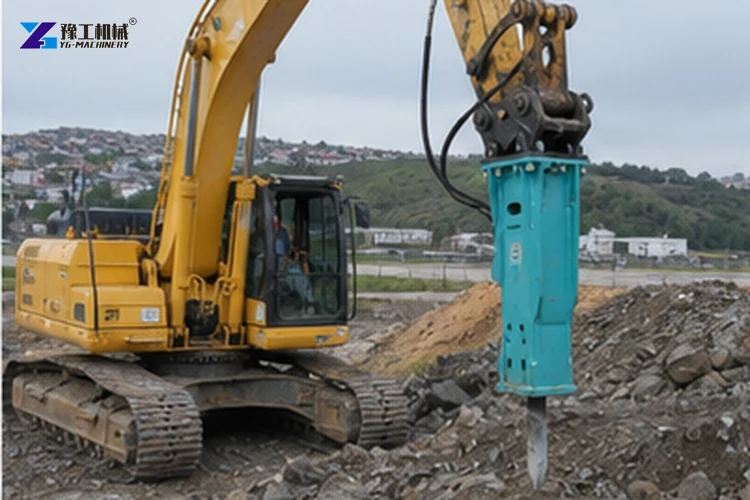
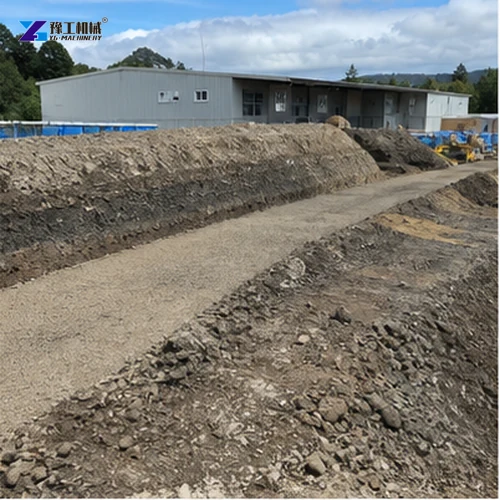
A New Zealand customer ordered a hydraulic breaker and supporting parts from YG in July 2024. The order demonstrates an actual supply, but the important purchasing lesson is the way a breaker should be selected: carrier weight, tool diameter, oil flow, operating pressure, material and duty cycle must work together. Choosing only the largest hammer that can be mounted may reduce stability, create hydraulic heat or overload the excavator linkage.
YG reviewed the breaker as part of a working system that included the attachment, bracket, hoses, tool and service items. For road repair, trench excavation, quarry preparation or concrete demolition, buyers need to explain what must be fractured and how many hours the breaker will operate. This determines both configuration and the spare-parts package.
Which New Zealand Project Conditions Influence Breaker Size?
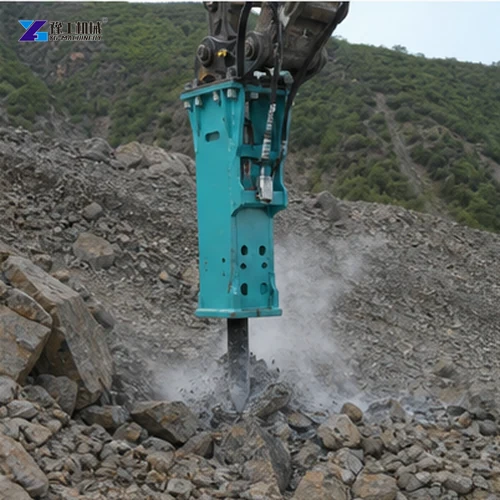
Concrete thickness, reinforcement, rock type, fracture pattern and access angle affect the required impact class. Weathered rock may open along natural joints, while competent rock can require a different tool and production method. Reinforced concrete needs a planned breaking pattern that exposes steel without forcing the breaker to perform cutting work. Photographs and representative dimensions give the supplier more useful evidence than a broad description such as hard rock.
The site position matters as much as material. Work inside a trench, beside a structure or on a slope changes the usable reach and allowable attachment weight. Noise restrictions, drainage and dust control can also influence the working schedule. New Zealand contractors should include these constraints in the request so breaker productivity is evaluated in the actual operating window.
How Did YG Match The Hammer To The Excavator?
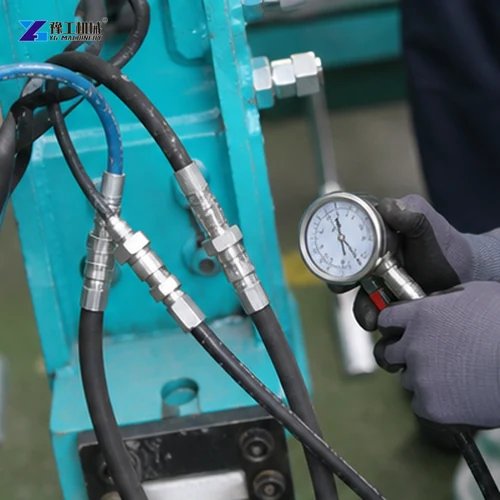
The excavator model and operating weight were checked first, followed by the auxiliary circuit. The breaker’s required oil flow and pressure must fall inside the carrier’s adjustable range. Return restrictions and hose diameter affect heat and back pressure. YG also needs to know whether another attachment shares the circuit, because settings approved for one tool may be unsuitable for the breaker.
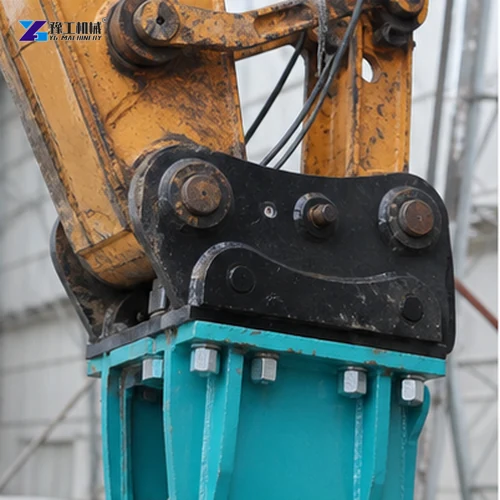
Bracket dimensions, tool length and working position complete the match. The attachment should align impact force through the tool and breaker body without continuous side loading. A tool that is too long for restricted access may be difficult to control, while an undersized tool can concentrate wear. The bracket must fit the linkage or quick coupler and maintain clearance through the full movement.
| Selection Check | Why It Matters | Information To Send |
| Carrier range | Controls stability and attachment mass | Model and operating weight |
| Oil flow | Controls impact cycle and heat | Adjustable L/min range |
| Pressure | Supports rated operation | Auxiliary pressure setting |
| Material | Affects tool and work method | Rock or concrete description |
| Duty cycle | Affects cooling and spare planning | Hours per shift and breaks |
| Tool diameter | Relates to breaker class and material | Required tool and application |
Send the complete carrier and material data to YG before confirming the breaker class and included installation components.
Why Were Supporting Parts Included In The Order?
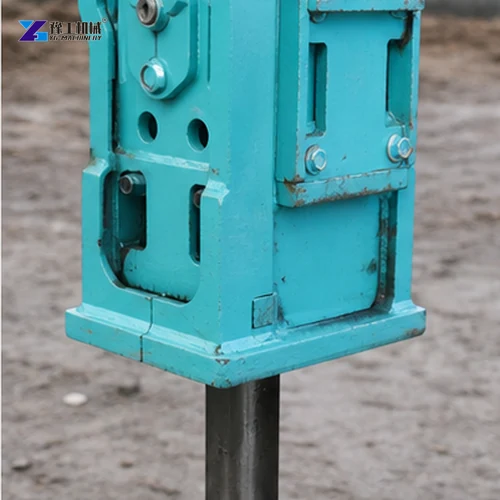
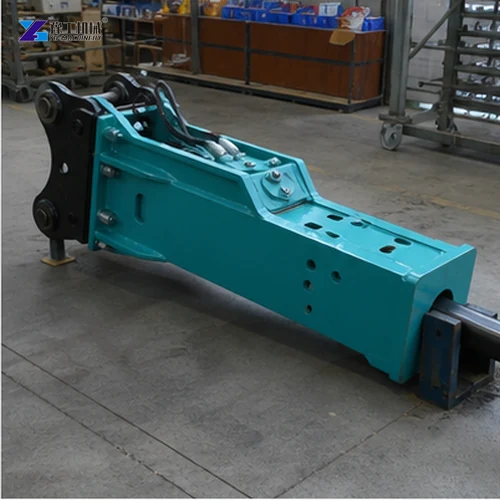
A breaker cannot work from the body alone. The practical supply can include a mounting bracket, hoses, fittings, tool, nitrogen service items and recommended wear parts. The New Zealand order included parts because availability after delivery affects uptime. Buyers should separate commissioning items from long-term spares and confirm which pieces are included in the main quotation.
Tool retainers, bushes, seals and hose components wear according to operating hours and technique. A contractor working far from a service center may choose a larger initial spare package than an occasional user. The correct list depends on the breaker model and expected workload; generic seals or retainers should not be assumed compatible.
Need help matching the configuration to your project? Send the working conditions and YG can review the practical equipment scope for Hydraulic Breaker For Sale In New Zealand.
What Operating Method Protects Breaker Performance?
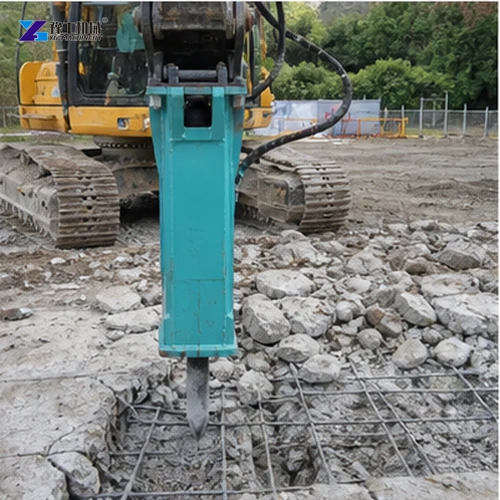
The operator positions the tool firmly and squarely on the material, applies controlled down pressure and stops when the piece fractures. Long blank-firing periods, levering with the tool and striking at an angle transfer loads into bushes, retainers and the carrier. Repositioning to a new fracture point is more productive than holding the breaker on a location that does not open.
Work should proceed in a pattern suited to the material. Concrete is often opened from an edge or in manageable sections, while rock work follows joints and exposed faces where possible. The operator must monitor hose movement, oil temperature and unusual sound. If performance changes, inspection should occur before increasing pressure or flow.
How Should The Breaker Be Inspected After Delivery?
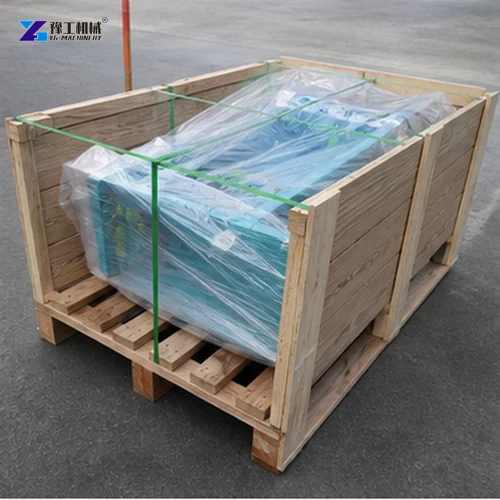
Commissioning checks bracket fit, pins, hose routing, pressure, flow, return conditions, nitrogen charge where applicable and lubrication. The first test uses representative material in a controlled area. The installer confirms that the tool moves correctly, the breaker does not leak and the carrier remains stable at the intended reach.
Daily inspection covers tool wear, bush clearance, retainers, bolts, hoses, fittings and welds. Lubrication is especially important because the tool slides under impact load. Maintenance records should note hours, material and parts replaced. These records help distinguish normal wear from a recurring setup or operating problem.
Buyers can compare the YG concrete breaker attachment, ripper tooth and excavator rock saw to decide whether impact, ripping or controlled cutting best suits the material.
Hydraulic Breaker For Sale In New Zealand FAQ
Match carrier weight, allowable attachment mass, oil flow, pressure, linkage and working reach to the breaker specification.
The tool depends on concrete thickness, reinforcement and the intended fracture method. Provide material details before selection.
Incorrect flow, restricted return, unsuitable hoses, contamination or excessive continuous operation can raise oil temperature.
Choose model-specific bushes, retainers, seals, hose items and service tools according to working hours and local availability.
Provide carrier data, hydraulics, bracket dimensions, material, working position, hours per shift, destination and spare preference.
Need help matching the configuration to your project? Send the working conditions and YG can review the practical equipment scope for Hydraulic Breaker For Sale In New Zealand.
Request A Breaker As A Complete Working Package
Send YG the excavator plate, hydraulic specification, linkage measurements, photographs of the material and expected hours. State whether the quotation should include bracket, hoses, fittings, tool and commissioning or maintenance spares. YG can then recommend a matched breaker package for the New Zealand project and clearly identify the operating conditions used for selection.