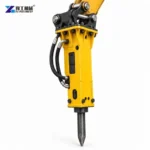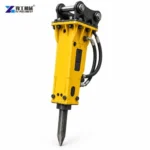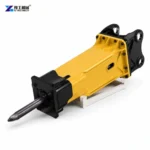

When you search for a hydraulic hammer for sale, compare more than the breaker body in the product photograph. The attachment must fit the excavator’s hydraulic circuit and mounting, and the quotation should clearly state which tool, bracket, hoses and service items are included.
Before comparing any hydraulic hammer for sale, decide whether you are buying an attachment body only or a ready-to-connect package. That distinction changes the installed cost because the bracket, hoses, fittings and carrier-side work may be quoted separately.
A complete comparison starts with the work: what material must be fractured, where the excavator will stand, and how the broken pieces will be removed. Once those details are clear, it is easier to compare the proposed hammer configuration and the supply scope without relying on a headline price alone.
Review the YG concrete breaker attachment range for the available breaker family. For carrier data, see the hydraulic breaker compatibility guide before you request a configured offer.
What Should a Hydraulic Hammer for Sale Include?
A breaker quotation should identify the attachment itself and the parts needed to connect it to the carrier. That usually means naming the supplied working tool, upper bracket or coupler arrangement, hydraulic hoses, fittings and any included wear items. If an item is not included, it should be stated as an exclusion rather than left for the buyer to infer.
Also ask what support is supplied with the order. The offer can specify operating documents, parts identification, packing, dispatch terms and any commissioning or operator guidance that is actually available for the selected configuration. Do not treat general service language as a substitute for a written list of deliverables.
This matters when two offers appear similar. One may cover a breaker with a fitted bracket and hose set, while another prices the attachment body only. Compare the complete scope that will arrive and the carrier-side work that remains before deciding which offer better matches your site.
How Does an Excavator Hydraulic Hammer Work?
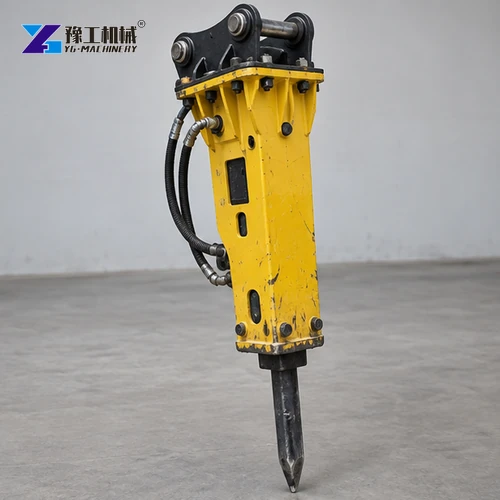
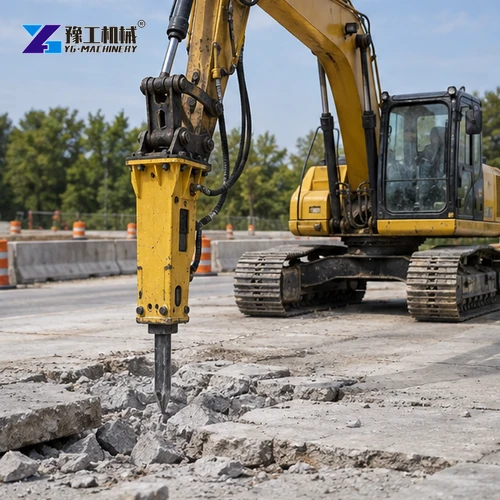
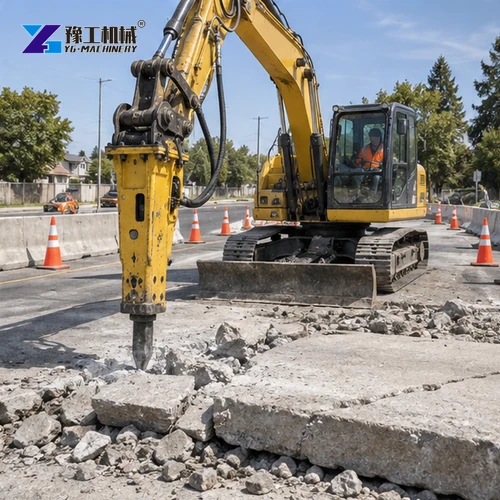
The excavator sends oil through its auxiliary circuit to power the breaker mechanism. An internal piston drives repeated impacts into the working tool, which transfers them to a selected point on concrete, rock or hard pavement. The excavator arm positions the attachment, while the operator controls alignment and the sequence of work.
The hammer is therefore one part of a working system. The circuit must supply oil under the conditions required by the attachment, and the return path and fittings must be suitable. The breaker also needs a bracket that matches the carrier. A sale listing that only says it fits an excavator does not answer those compatibility questions for your machine.
Think of the tool as the contact point between the mechanism and the material. Its shape and condition influence how the impact enters the work face. Ask the supplier to identify the included tool and compatible alternatives for your material instead of assuming an unlisted point will be supplied.
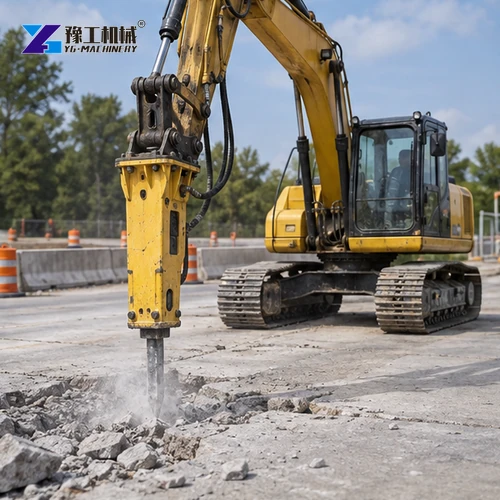
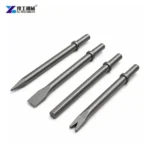
Hydraulic Hammer Chisel Range for Comparing Offers
The YG concrete breaker attachment range lists chisel diameters from 35–210 mm. This range is a single product dimension for initial comparison; it does not prove that every hammer suits every excavator or that every tool is available with every configuration.
Use the dimension to frame a conversation about the work point, then confirm the proposed attachment separately against the carrier’s circuit, mounting and operating limits. A quoted tool should be named so you can check that it suits the material and the breaker body being supplied.
A hydraulic hammer for sale should be compared by the tool that will arrive, not only by the range shown in a catalogue. Ask the seller to name the proposed chisel and state whether alternate tools are included or priced separately.
If your work includes concrete with reinforcement, road pavement or rock, describe the material and the desired break pattern. The supplier can then state which tool option is proposed and what additional cutting, lifting or debris-handling equipment may still be needed.
How Do You Match the Hammer to Your Excavator?
Provide the excavator make and model, auxiliary oil flow and operating pressure, return-line arrangement and coupler or pin information. Compare these values with the requirements for the exact hammer configuration in the offer. Engine power alone does not confirm hydraulic compatibility.
Check how the attachment mass affects the boom at the position where it will work. A hammer may connect to the arm yet be unsuitable at an extended reach or on uneven ground. Ask the supplier to review the intended working position and confirm that the carrier can support the proposed setup.
Confirm the connection details before ordering. The bracket, pins, retainers, hoses and fittings must match the carrier and remain clear as the boom curls and reaches. Photos of the linkage can help resolve interface questions when the measurements are not on hand.
When evaluating a hydraulic hammer for sale, treat the attachment and excavator interface as one system. A connection mismatch can delay installation even if the breaker itself is suitable for the material.
Send the excavator information, auxiliary-circuit details and photos of the coupler. YG can review the proposed hydraulic hammer configuration and identify which carrier-side connection items are included.
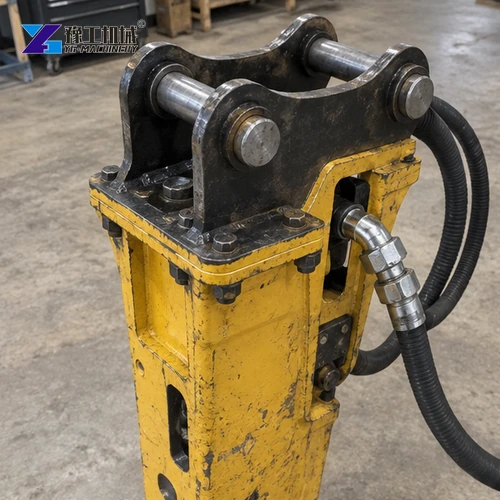
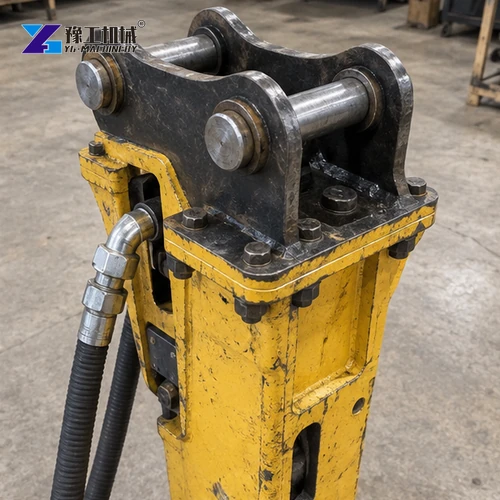
What Should You Compare in Hydraulic Hammer Offers?
Compare the same items across every quotation: the breaker configuration, tool supplied, mounting bracket, hose and fitting scope, wear parts, documents, packing and delivery terms. Ask the supplier to list any buyer-provided items and work that must be completed on the carrier before installation.
Then check whether the proposed tool and work method match your site. A road repair job with limited access may need a different working sequence from a quarry face or a concrete removal project. The breaker can create fractures, but handling, cutting and final cleanup may require separate equipment or labor.
Avoid comparing only the largest chisel or the heaviest attachment. A heavier hammer can affect carrier balance and reach; a different tool can change how the material is engaged. The best offer is the one whose breaker, mounting and included parts make sense for the actual excavator and work.
A hydraulic hammer for sale is easier to compare when each supplier lists the same package fields. Put the named tool, bracket, hoses, fittings, wear items, documents, packing and delivery terms side by side, then mark every exclusion.
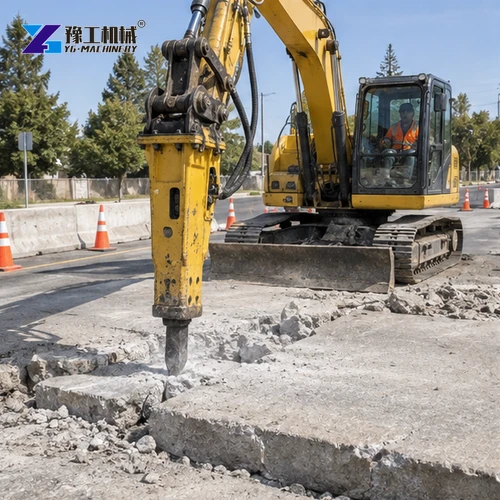
What Details Should Be Confirmed Before Dispatch?
Before the order is finalized, confirm the excavator interface, auxiliary circuit, selected tool, hose and fitting arrangement, included wear items and delivery destination. Ask how the hammer will be protected for transport and which documents or operating instructions will accompany the shipment.
If site installation or operator familiarization is part of the offer, have the supplier describe the exact scope and whether it is remote or on site. Do not assume that freight, unloading, installation and commissioning are bundled together; each may depend on the destination and order terms.
Keep the quotation and confirmation aligned. If the carrier details change, recheck the proposed bracket and hydraulic setup before shipment. Clear written scope reduces surprises at installation and makes competing offers easier to compare fairly.
Before the hammer is packed, make sure the excavator interface, supplied tool and delivery destination match the final order. If any carrier detail changed during selection, have the connection package checked again.
Share the work material, excavator information and destination to request a quotation that identifies the hammer and its included connection package.
REQUEST A HYDRAULIC HAMMER QUOTE
Hydraulic Hammer for Sale FAQs
No. Check the auxiliary circuit, return arrangement, mounting interface, attachment mass and work position as well as the carrier's operating weight.
Not necessarily. Ask the quotation to name the hammer, working tool, bracket, hoses, fittings and excluded items so the delivered scope is clear.
No. Tool size should suit the breaker configuration, material and carrier. A larger tool does not resolve a hydraulic or mounting mismatch.
Provide the same excavator, hydraulic, mounting, material and destination details to both suppliers. Compare the named attachment, tool, connection parts, support and delivery scope item by item.
A hydraulic hammer is easier to buy with confidence when the attachment and its supply scope are checked as one package. Confirm carrier fit, tool choice and included connection parts before comparing the final offers.