A mini road roller price is meaningful only when the roller can reach the repair area and compact the specified material. A crew patching narrow streets, footpaths and utility trenches needs different access, drum width and transport arrangements from a contractor compacting a broad new road. Before comparing quotations, define the actual work zones, the material layers and how the machine will travel between jobs.
YG offers compact road rollers in several sizes. The machine quotation should identify the selected model and the equipment included with it, while freight, spare parts and site-specific support are stated separately. This lets a municipal buyer compare working packages instead of choosing the lowest number attached to an incomplete specification.
Review the YG mini road roller range and asphalt repair planning for product context and related preparation.

Start with the Repairs Your Roller Must Reach
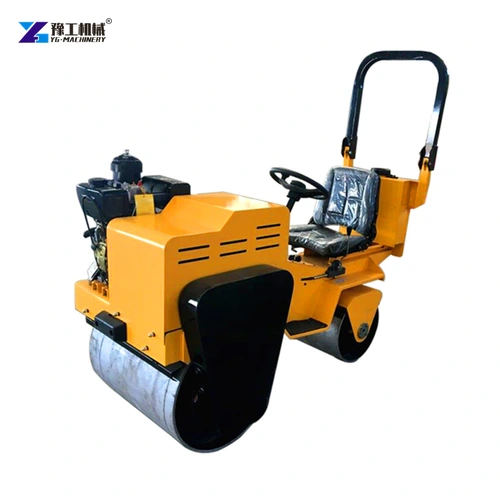
List the typical job types: asphalt patches, pavement edges, backfilled service trenches, footpaths or small parking areas. Note the narrowest entrance and working lane, the distance to curbs and walls, and any weak covers or buried services. A drum that is too wide may leave inaccessible strips; a larger machine may not be permitted over a cover or through a gate even if its compaction force appears attractive.
Record the material and compacted layer thickness for each task. Granular backfill, soil and asphalt do not use the same pass pattern or acceptance test. The site specification should determine the lift thickness and verification method. Choose the roller after this job information is known rather than assuming one quoted force value will suit every repair.
Transport also belongs in the first conversation. A machine moved between many small sites needs a loading method, securement plan and vehicle capable of carrying its mass. Ask about the packed size and the equipment needed to unload at sites without a forklift.
Send the narrowest entrance and the surfaces your repair crew compacts.

Compare Named YG Roller Configurations
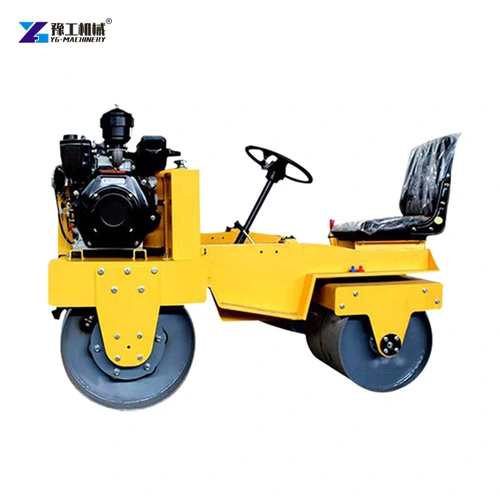
Compare the working width, machine weight and vibration specification of the available configurations against the repair areas and transport plan. The figures describe the machine, not a promise that every work site will achieve the same compaction result.
Drum width, mass and the material being compacted should be considered together. Before ordering, confirm the exact engine and drive configuration offered for the chosen model, the available fuel, and the water arrangement needed for asphalt work. Do not substitute a larger roller simply because its engine or exciting-force figure is higher.
| Parameter | YG-600S | YG-850 | YG-880 |
| Power | 5.5 hp | 6.0 hp | 25 hp / 20 hp |
| Travel speed | 2.4 km/h | 0–4 km/h | 0–5 km/h |
| Exciting force | 20 kN | 20 kN | 50 kN |
| Vibration frequency | 70 Hz | 70 Hz | 70 Hz |
| Water tank | 15 L | 15 L | 15 L |
| Steel wheel size | 426 × 600 mm | 580 × 700 mm | 800 × 850 mm |
| Weight | 330 kg | 750 kg | 1000 kg |


Build a Comparable Mini Road Roller Price Request
Before comparing offers, check that each quotation names the roller model, engine and drive, drum arrangement, water system, controls, tools and spare parts. Ask whether the manuals, inspection or test, packing, loading ramp and trailer are included or priced separately. A product photo alone cannot confirm the delivery package.
Provide the delivery destination and requested trade term. Freight, unloading, local duties and taxes depend on the route and the agreed contract; a domestic equipment quotation is not the delivered project cost. If the crew needs startup instruction or service at multiple depots, state that requirement before finalizing the offer.
For crews moving between short repair jobs, service access can matter as much as machine size. Ask which routine service parts apply to the selected model, what maintenance intervals are specified, and how warranty service is handled in your region. This makes likely downtime and ownership requirements clearer before ordering.
Tell the supplier the narrowest gate, patch width and transport vehicle. Those limits set the maximum practical drum width and help determine how the mini road roller can be delivered and unloaded.
Check the Trial on the Actual Repair Material
On a representative patch, confirm that the roller can enter, turn and leave without striking curbs, walls or traffic barriers. Agree on a pass pattern that fits the material specification, then measure the accepted result using the project’s required test. A visual impression of a smooth patch is not the same as a documented compaction result.
For asphalt, keep the drum water system in working order and plan the interface with the paving crew. For trench backfill, verify each layer before covering it with the next one. Where a utility cover or nearby structure imposes a restriction, document the permitted machine and vibration method in the site plan. These checks turn the price comparison into a practical operating decision.

What Should You Send for a Mini Road Roller Quotation?
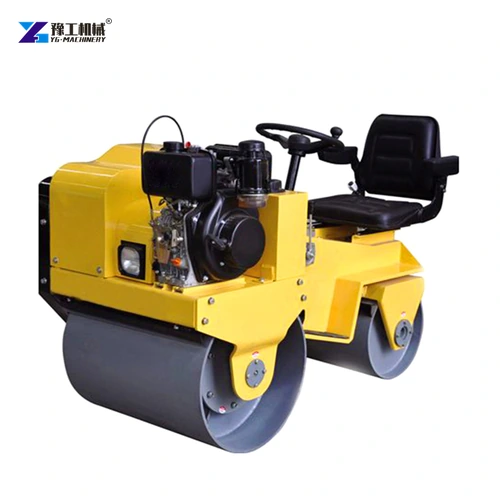
Send the job types, material specifications, narrowest access, required drum width, typical patch dimensions, transport vehicle, destination and expected delivery date. Include photographs of a representative site and any restrictions on vibration or machine mass. YG can then propose a named roller configuration and an itemized supply scope.
Compare the YG mini road roller range by model and working width. For asphalt patch work, coordinate roller access with the repair sequence. Include the site limits and delivery destination when requesting a quotation.
Mini Road Roller Price FAQs
Not necessarily. A machine that cannot reach the work or needs unlisted transport and accessories can cost more over the repair program. Compare the supplied package against the actual site tasks.
The same machine may be considered for both, but the material specifications, layer thickness and acceptance tests differ. Confirm the selected model and operating method against each job.
Provide site photographs, access dimensions, material layers, transport constraints, preferred model if known, destination and delivery schedule. Request a separate list of included and optional items.