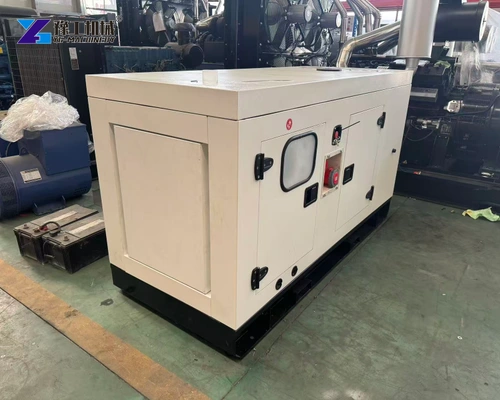
A standby generator set supplies an alternative source of electricity when the normal supply is unavailable. In an automatic installation, producing electricity is only one part of the job. The system also has to recognize the outage, start the engine, establish a suitable source and transfer the intended loads. A running engine with disconnected loads has not yet restored power to the equipment that matters.
This distinction is useful when buying backup power for a workshop, depot or construction facility. The generating set, controls and transfer equipment need a defined division of work. Comparing that complete arrangement helps prevent a quotation for a generating machine from being mistaken for a commissioned automatic backup system.
Automatic Backup Power Follows an Outage-and-Return Sequence
An automatic standby arrangement monitors the normal and generator supplies. Source monitoring checks electrical conditions such as voltage and frequency; the configured response determines when starting or transfer is required. This is what source acceptance means: the system recognizes a supply as suitable before connecting the assigned loads. The thresholds and delays belong to the selected system, not a universal response-time promise.
The operating sequence has several separate stages:
- Detect the loss of normal supply. Source monitoring identifies an unacceptable supply condition and initiates the specified response. This monitoring function is different from an operator noticing that room lights have gone out.
- Start and establish the generator source. The engine starts, and the alternator reaches the required operating condition. Starting the engine and accepting its electrical output are related but distinct events.
- Transfer the assigned loads. Transfer equipment connects the intended distribution to the alternative source under the chosen switching arrangement. Load pickup may be staged rather than applied as one simultaneous demand.
- Restore the normal source. When the normal supply is suitable again, the control sequence manages the return transfer. A brief return of voltage need not mean immediate return of every load.
- Complete the generator shutdown sequence. The set follows its prescribed unloading and stopping sequence and returns to its ready condition for the next demand.
These stages explain why a standby generator set is not automatically a no-break power supply. An installation has a specified interruption and switching behavior. Loads that cannot tolerate that interruption need a separately designed continuity solution; simply choosing a larger diesel engine does not remove the sequence.
Describe which loads need backup and the interruption they can tolerate so the required sequence is clear.
Generator Controls and Transfer Equipment Have Different Jobs
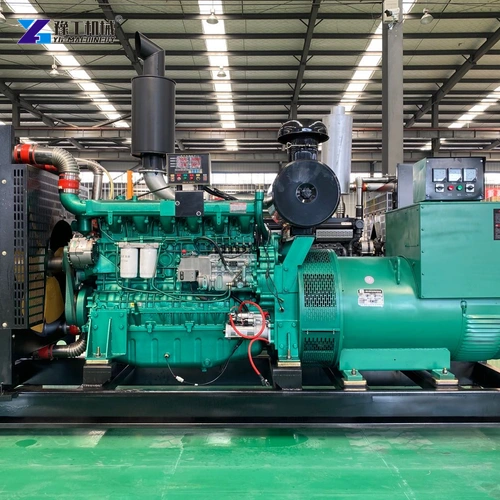
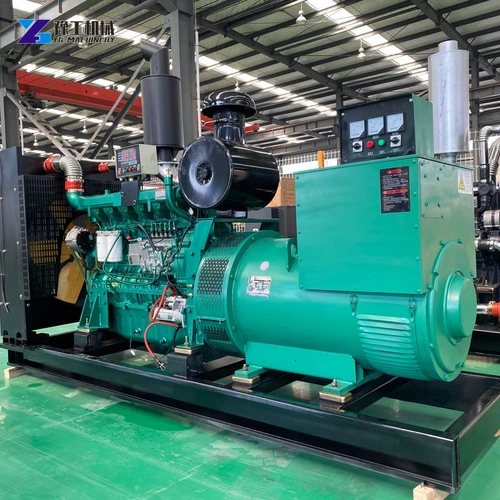
The generating-set controller manages the engine-generator assembly and its relevant operating states. Depending on the supplied package, its functions can include starting commands, monitoring and alarms. The transfer equipment manages the source connection to the assigned load distribution. An automatic-start panel on the set is therefore not proof that an automatic transfer switch is included in the purchase.
An automatic transfer switch, often shortened to ATS, is selected for the actual electrical system. Its source monitoring, starting interface, switching arrangement and load-side requirements need to work with the generator controls. A display that shows generator voltage cannot, by itself, establish that this complete interface has been designed or supplied.
Source separation is a fundamental part of that arrangement. In an open-transition design, the load is disconnected from one source before being connected to the other. Other engineered switching systems exist, but they are not created by connecting two sources together informally. Grid-parallel operation is a different technical scope from an ordinary backup transfer package.
For a standby generator set enquiry, distinguish the generator, controller, transfer assembly and installation responsibilities. This makes the offer easier to compare: the buyer can see which company supplies the equipment, which interfaces are provided and which commissioning tasks remain. Qualified electrical professionals must design and install the actual system; this equipment comparison is not a wiring procedure.
Separate the generating set, controller, transfer equipment and installation responsibilities in the requested offer.
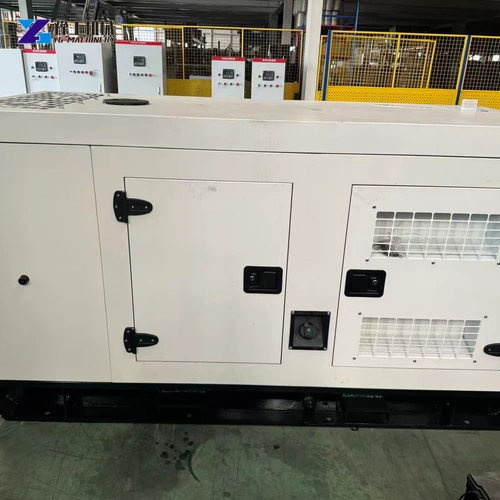
Standby Generator Set Specifications
A backup system begins with a generating source sized for the assigned loads. The YG diesel configurations below compare electrical output, engine arrangement and supply characteristics. The system specification then adds the required duty rating, controller and transfer equipment to suit the outage pattern.
| Parameter | YG 30 kW configuration | YG 100 kW configuration |
| Stated electrical power | 30 kW | 100 kW |
| Engine cylinders | 4 | 6 |
| Voltage | 400 / 230 V | 400 / 230 V |
| Frequency | 50 Hz | 50 Hz |
| Rotational speed | 1,500 r/min | 1,500 r/min |
| Cylinder bore × stroke | 100 × 115 mm | 105 × 125 mm |
| Listed rated current | 54 A | 180 A |
| Phase arrangement | Three-phase, four-wire | Three-phase, four-wire |
A standby generator set proposal should connect the selected electrical configuration to its stated duty rating and load profile. Standby and prime ratings are not interchangeable names for the same unrestricted service. If a site expects regular extended running, that expectation must be part of the duty selection rather than added after an emergency-only package has been ordered.
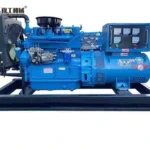
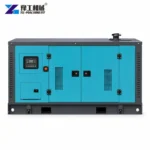
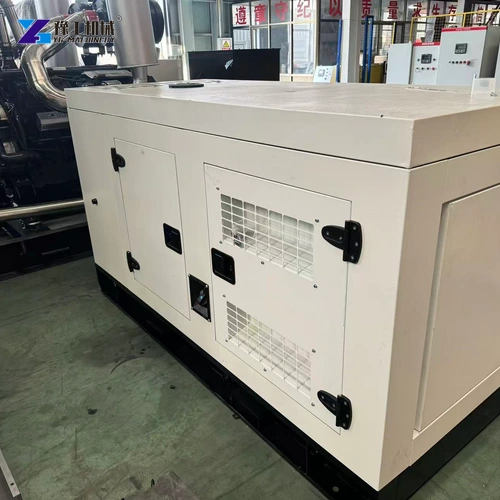
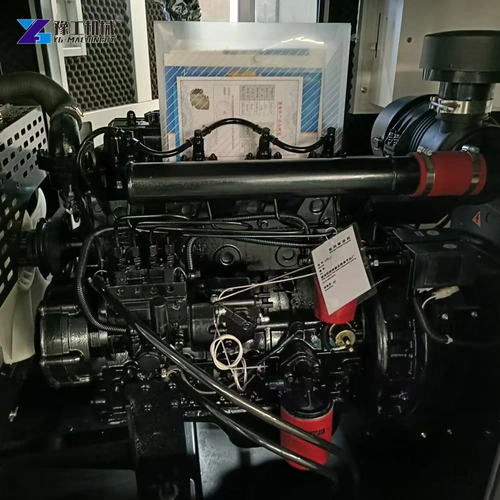
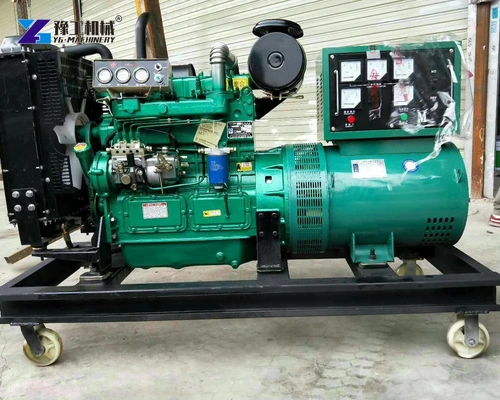
The commercial diesel generator range provides the wider equipment context. The table here establishes electrical differences, not an automatic-transfer rating or an acoustic result. The open-frame family photographs show component access; an enclosure or a controller visible in a picture does not prove that the whole automatic installation is included.
Request the duty rating and load profile for the named electrical configuration, not just a headline power figure.
Readiness Depends on the Starting and Supporting Systems
A standby unit spends much of its time waiting. That makes readiness a product requirement, not merely a maintenance topic after purchase. The starting system must be able to crank the engine when required, the fuel system must supply suitable fuel, and the set must remain in the intended automatic-ready state. A sound engine that cannot start on demand is not useful backup capacity.
The purchase should make these supporting systems clear:
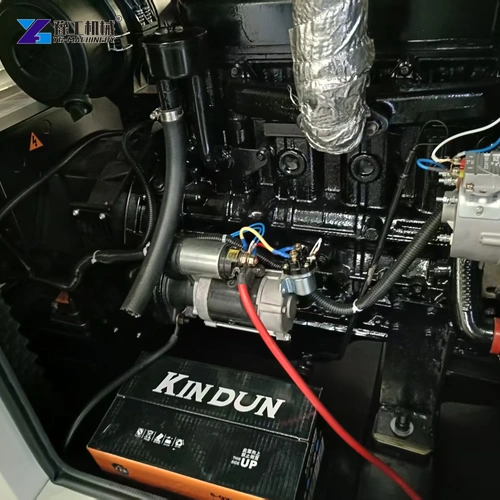
- Starting equipment and its charging provision. The battery and charging arrangement support starting readiness. Battery condition, connections and the specified inspection practices belong in the maintenance plan rather than being judged only by whether the display illuminates.
- Fuel storage and replenishment. The useful fuel quantity is what the installed package can supply under its operating conditions, rather than the tank’s nominal volume alone. Consumption changes with the generator and electrical load. A backup plan must therefore connect usable fuel, the intended load pattern and replenishment access before assigning an autonomy figure; no runtime is established by the power table alone.
- Cooling, ventilation and exhaust provision. The set needs its designed operating environment when it starts under load. An enclosure placed in a poorly ventilated room is not made suitable merely by being described as weatherproof or low noise.
- Status and fault information. The responsible team needs to know whether the set is available, running, inhibited or in a fault condition. An alarm is useful only when someone can recognize it and follow the assigned response.
These requirements also explain the value of accessible service points. Routine inspection should not require an improvised operating condition or the removal of essential guards. The hot-and-dusty jobsite generator guide discusses cooling and environmental matching in more detail; backup readiness adds the requirement that those provisions remain effective during long periods between calls.
Acceptance Should Demonstrate Power Restoration, Not Just Engine Running
The meaningful outcome is that the intended loads receive suitable power through the specified sequence. A no-load engine demonstration can show that the machine starts, but it does not demonstrate the complete standby installation. Commissioning and periodic testing need a documented scope appropriate to the installed system and must be carried out by qualified personnel under the applicable procedures.
Three observations help make that evidence useful:
- System sequence. The record should identify the commanded start, source acceptance, load transfer, return transfer and stopping behavior that were actually demonstrated. A claim that the unit ran is not an equivalent description.
- Load response. The intended load steps and the equipment’s response should be recorded. Motors and other loads may have a different starting demand from their settled running demand; a favorable unloaded reading does not resolve that difference.
- Operational recovery. Restored electrical supply and restarted production are separate outcomes. A machine may need a deliberate restart or control reset after an interruption. The facility’s operating plan must address that behavior rather than assuming the generator restarts every process automatically.
For example, a workshop may prioritize lighting, selected services and one production area while leaving other equipment off during an outage. That is a different backup task from restoring the whole site at once. The standby generator set and transfer package must support those assigned loads in the intended sequence, while the operating plan addresses how each process restarts.
The final equipment scope should join the named generating configuration and its declared duty rating with the transfer interface, starting support and commissioning responsibilities. Those items give each stage a defined role: the set provides the electrical source, transfer equipment connects the assigned distribution, and the facility’s recovery plan returns its processes to service. For occasional emergency use and for regular extended running, that specification may call for different duty ratings even where the stated electrical output is the same.
Agree on the loads and complete transfer sequence that the commissioning scope should demonstrate.
Standby Generator Set FAQs
No. Engine-generator controls and source-transfer equipment have different functions. The quotation must identify the transfer assembly and interfaces supplied with the set.
Not by itself. Starting, source acceptance and transfer take place in a defined sequence. Loads that cannot tolerate that interruption require a separately engineered continuity arrangement.
The offer should identify the exact generating configuration, its declared standby rating and permitted operating conditions. The electrical power table alone does not define that duty or the running schedule the site requires.
It does not demonstrate transfer to the intended distribution or response to the assigned loads. Those functions require their own documented commissioning scope.
No. Connected equipment may require a controlled restart or reset. Its recovery behavior needs to be addressed in the facility’s operating plan, separately from generator operation.
Tell us the assigned backup loads, normal supply characteristics and intended duty. Include whether automatic transfer equipment, enclosure and commissioning support are required so the offer can define the complete scope.