A diesel generator can have enough total power for a building site and still be unsuitable for its electrical equipment. A three-phase pump motor and a group of single-phase hand tools place different demands on the supply. Voltage, frequency, phase arrangement and the distribution of connected equipment must agree before generator size becomes a useful comparison.
For a contractor buying a generator for mixed construction loads, the central decision is whether the equipment needs a three-phase supply and how the single-phase circuits will share that supply. The difference affects the alternator configuration and distribution equipment, not just the socket fitted to an extension lead.
Generator Phase Selection Follows The Equipment Supply
A single-phase appliance uses one alternating supply waveform. A three-phase motor uses three coordinated phases, displaced in time, to develop its rotating magnetic field. That motor needs the appropriate three-phase supply; a larger single-phase generator does not become a replacement simply because its advertised kilowatts exceed the motor’s rating.
On a nominal 400/230 V three-phase system, 400 V describes the voltage between phases and 230 V the voltage between a phase and neutral. These are different measurement points in the same supply arrangement. The two numbers do not mean that every outlet can deliver either voltage or that an appliance can be connected at whichever voltage is convenient.
The equipment nameplate therefore provides the first useful distinction: rated voltage, frequency and phase requirement. A pump, compressor or workshop machine can have a different supply requirement from a visually similar machine. Plug appearance and motor size are poor substitutes for those electrical ratings.
This is a supply-selection issue rather than an installation guide. Distribution, neutral arrangements, earthing and protective devices require a qualified electrical designer using the generator manufacturer’s instructions and the rules applicable at the site. Changing a plug does not resolve a supply mismatch.
Compare the actual equipment supply requirements with the proposed generator connection.
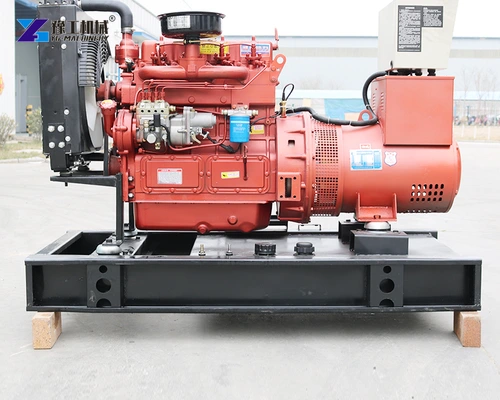
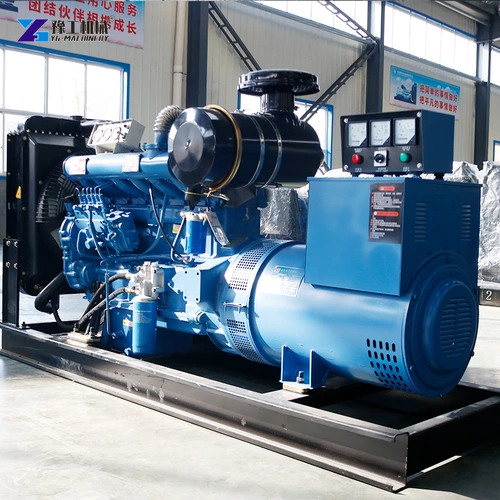
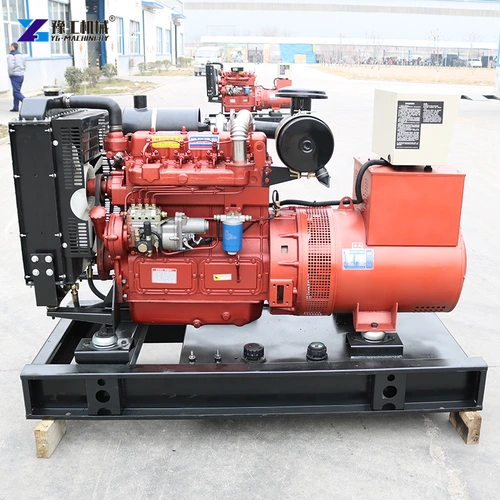
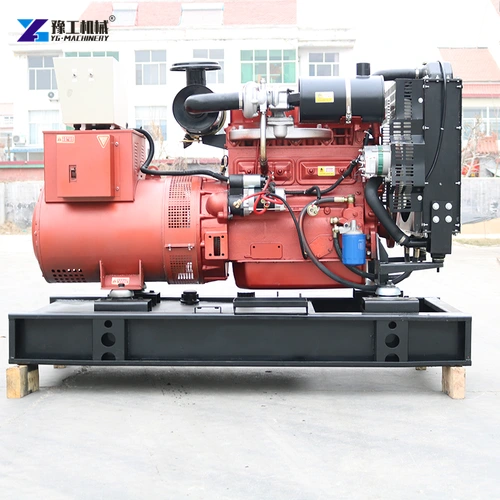
YG Diesel Generator Electrical Parameters
| Parameter | YG generator set: 30 kW configuration | YG generator set: 100 kW configuration | YG generator set: 200 kW configuration |
| Listed power | 30 kW | 100 kW | 200 kW |
| Listed voltage | 400/230 V | 400/230 V | 400/230 V |
| Frequency | 50 Hz | 50 Hz | 50 Hz |
| Engine speed | 1,500 rpm | 1,500 rpm | 1,500 rpm |
| Engine cylinders | 4 | 6 | 6 |
The table compares 400/230 V three-phase configurations in the YG range; it is not a side-by-side specification table for standalone single-phase and three-phase sets. Single-phase equipment on a suitable three-phase supply is a distribution question, while buying a standalone single-phase generator is a different equipment choice. Use the phase-selection explanation above to establish the required supply before comparing power ratings within this table.
These configurations share voltage and frequency while differing in listed power and engine configuration. A higher listed power rating offers more total electrical output under its rated conditions; voltage, frequency and the allocation of single-phase loads still have to suit the connected equipment.
The 400/230 V designation is especially relevant to a site with both a three-phase machine and single-phase auxiliaries. The actual alternator connection, neutral provision, permissible imbalance and distribution assembly determine how that combination is supplied. The quoted generator package should identify those items rather than describe the set only by its largest power figure.
Do not treat the total kilowatt figure as a single-phase outlet rating. Output available to a particular circuit is constrained by its phase loading, the alternator specification and the protective equipment. A total rating and a branch-circuit rating answer different questions.
Identify the generator voltage, frequency and distribution scope together.
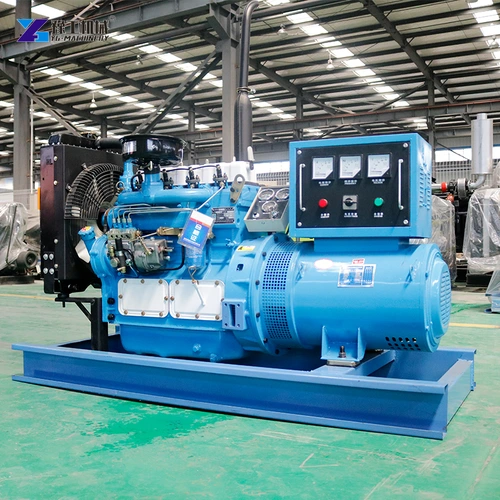
Mixed Generator Loads Need A Phase Distribution Plan
Single-phase loads placed on a three-phase supply draw from their assigned phases. If most of the tools, lighting and auxiliary equipment sit on one phase, that phase can become heavily loaded while the others remain lightly loaded. The overall total can look acceptable even though the current on an individual phase has reached its permitted limit.
A useful mixed-load assessment distinguishes three groups:
- Three-phase machinery. Pumps, compressors and other motors establish the need for the corresponding supply and contribute their operating and starting demands.
- Single-phase production loads. Tools and machines may operate in changing combinations. Their distribution should reflect which items work together, not only the number of outlets.
- Single-phase auxiliary loads. Lighting, chargers and office equipment can run for different periods from the main machinery. They remain part of the phase-loading assessment even when their individual ratings are modest.
Consider a work period when the main pump stops but several tools continue on one branch. The load pattern has changed; the generator is no longer seeing the same balance as during pumping. Assessment of representative working combinations is more useful than adding every nameplate and assuming the resulting total describes the whole shift.
The permitted phase-load imbalance is specific to the alternator and application. The technical specification for the selected set should state that limit; a universal percentage cannot replace it. An electrical designer can then allocate circuits and protective devices around the stated limits.
For a simple illustration, three identical single-phase appliances connected to the same phase place their combined demand on that phase. Allocating those appliances across three phases produces a different current distribution even though total connected power is unchanged. This explains why adding up kilowatts cannot reveal a phase-loading problem. The actual allocation also has to account for which appliances run at the same time and the generator’s specified limits.
Describe which machines and auxiliaries operate together during the shift.
Starting A Motor Is Different From Running It
A motor can briefly demand more current while accelerating than it draws at its normal operating condition. The generator engine and alternator must respond to that event while supporting the equipment already connected. Voltage and frequency behaviour during starting can therefore influence the choice even when steady operating power appears adequate.
The motor’s starting method and the mechanical load both matter. A motor accelerating an unloaded mechanism presents a different event from one starting against a substantial process load. Soft starters and variable-speed drives change the electrical behaviour, but they introduce their own compatibility requirements; they are not universal devices for making any generator suitable.
Separate the phase question from the starting question. Correct three-phase voltage is necessary for the relevant motor, but it does not establish that a particular set will start it satisfactorily. Conversely, adding generator power does not repair the wrong supply arrangement.
For the wider sizing task, the site’s generator load assessment should cover actual running combinations, the largest starting event and the intended operating duty. Phase selection narrows the suitable electrical configuration before that detailed sizing work is completed.
Choosing A Generator Package For The Working Site
An all-single-phase work area and a site with a permanent three-phase pump do not need identical generator packages. The former may be better served by a suitable single-phase set; the latter requires the appropriate three-phase arrangement, with deliberate provision for any single-phase circuits. Compare the equipment supplied as a system rather than choosing a three-phase label as an automatic upgrade.
Three site situations show how that decision changes:
- Lighting, chargers and single-phase hand tools. Where all required equipment uses a compatible single-phase supply, a suitable single-phase generator can serve the actual task. A three-phase set adds the need to plan phase loading rather than automatically making the tools work better.
- A three-phase pump with single-phase support equipment. The pump establishes the need for its three-phase supply. Lighting and tools then need compatible circuits distributed within the selected alternator’s limits. Pump starting is assessed with the other operating loads already connected.
- A workshop adding a three-phase machine later. The future machine’s supply and starting requirements belong in the purchase decision now. Buying extra single-phase kilowatts today would leave the phase mismatch unresolved when that machine arrives.
The distribution package makes that choice usable. Its circuit ratings, protection, connection arrangement and environmental suitability have to match the selected generator and the connected loads. The designer also needs the actual cable routes and equipment positions because the supply must work at the machine, not only at the generator terminals.
A clear equipment proposal identifies the generator’s electrical configuration, intended load groups, relevant starting conditions and distribution scope. That gives the buyer a concrete basis for comparison without confusing total power, phase capacity and individual outlet ratings.
Compare the intended electrical configuration before choosing the generator size.
Diesel Generator Phase Selection FAQs
Not directly. The motor requires the specified three-phase supply. Additional generator kilowatts do not create the missing phases.
On the corresponding three-phase arrangement, it describes phase-to-phase and phase-to-neutral voltage. The intended connection and outlet ratings still need to match the equipment.
They can use a properly designed compatible supply arrangement. Available neutral, phase allocation, alternator imbalance limits and circuit protection determine the practical configuration.
Single-phase equipment may be concentrated on that phase. Total power alone hides how the current is distributed between phases.
The table describes the generating set. An outlet is part of the distribution equipment and has its own voltage, phase arrangement, current rating and protective device. Compare those circuit details with the appliance as well as checking total generator power.
Describe the equipment voltage, frequency, phase requirements and intended operating combinations for a generator proposal. The commercial diesel generator range provides the related equipment overview.