Road marking equipment is a working system, not only the machine visible on the road. A complete highway package may include material preparation, a hand-push or driven applicator, line-width parts, reflective-bead delivery, layout tools, cleaning equipment, spares and transport support. The package must follow the approved cold-paint, thermoplastic or two-component specification.
This hub organizes equipment by job function so contractors can move from project requirements to the correct product page. It does not replace model selection. Begin with the material and line schedule, then identify how material is prepared, applied, inspected and cleaned during the available traffic-control window.
Share the paint specification, line-and-symbol schedule and work window so the road marking equipment package can be divided into material preparation, application, layout and quality-control functions.
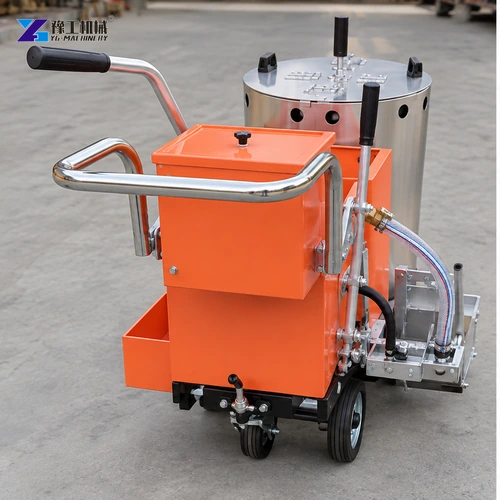
Front three-quarter view of a thermoplastic road marking machine.
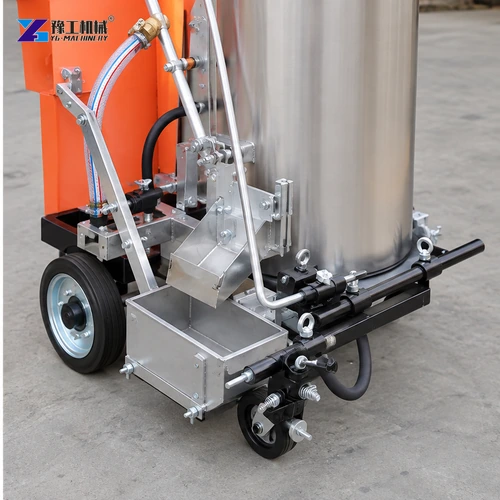
Rear three-quarter view of the same thermoplastic road marking machine.
Build Road Marking Equipment around the Paint System
Cold paint uses a compatible pump, filter, hose, gun and nozzle. Thermoplastic requires a preheater or melt kettle, safe transfer and an applicator with the correct shoe. Two-component work needs separated A/B storage and a controlled mixing or application path. Each system has different cleaning, downtime and safety requirements.
Keep the material data sheet in the selection file. It should identify application limits, thickness, bead requirement, cure or opening time and cleaning method. Where a tender allows several systems, create separate packages and costs. Combining them into one vague equipment list hides essential differences.
Coordinated close view of the hopper and control assembly.
Coordinated close view of the marking shoe and applicator assembly.
Road Marking Equipment Parameters and Functions
Road marking function
Equipment group
Key selection input
Prepare material
Paint mixing or thermoplastic preheater
Material type, batch demand and working temperature
Apply markings
Cold-paint, thermoplastic or two-component applicator
Pattern, width, thickness, site access and daily quantity
Apply reflectivity
Glass-bead dispenser
Bead type, application rate and mounting position
Control layout
Guide, layout and pattern controls
Straight lines, curves, symbols, solid and gap lengths
Maintain production
Cleaning kit and model-specific spares
Material chemistry, wear points and planned service interval
Use the first column to identify the work, the second to locate the equipment group and the third to see which project input controls selection. This is a package-planning map, not a claim that one machine performs every function.
A thermoplastic applicator cannot replace the preheater. Estimate melt demand from line area, thickness and material density, then choose preheating and transfer capacity that can support the applicator without unsafe rushes or long idle periods. Define the hot-material transfer path and crew roles before work begins.
Reflective bead equipment must match the specified bead type and application rate. Check dispenser response and distribution during the trial. Cold-paint and two-component projects may also specify beads, but the mounting and timing must fit their application system. List each accessory in the quotation so it is not assumed to be standard.
Thermoplastic equipment applying a straight white road line.
Rear application view showing the aligned road marking path.
Add Layout, Surface and Quality-Control Tools
Marking quality begins before material reaches the machine. Include measuring tapes or layout equipment, chalk or approved reference methods, surface cleaning tools, moisture checks where relevant and barriers for the work zone. Existing loose markings, oil and pavement defects may require preparation outside the applicator scope.
Prepare tools to measure line position, width and thickness using the project method. The inspector should also assess edges, pattern lengths, bead distribution, adhesion and opening time. A documented trial links machine settings to the accepted sample and gives the crew a repeatable starting point for later shifts.
If cleaning, layout or measurement tools are already available on site, list them separately; the equipment package can then cover the missing functions without duplicating the contractor's existing gear.
Confirm machine dimensions, weight, loading method, vehicle capacity, fuel or power, cleaning water, storage and the route between staging and work areas. Highway projects often lose more time to refill, transfer and traffic-control delays than to nominal machine speed. Design the package around the complete shift.
Request practical spares for nozzles, tips, filters, seals, hoses, shoes or valves that match the selected system. Keep wear parts tied to the final model and application head. A generic spare-parts line can arrive with incompatible items and does not help the crew recover from a predictable stoppage.
Operator-side controls and handles on the thermoplastic machine.
Lower marking shoe and material outlet on the same machine.
Prepare a Complete Road Marking Equipment Quotation
Send the material system, line schedule, width and thickness, daily quantity, road geometry, gradient, bead requirement, surface condition, traffic-control window, utilities, destination and delivery date. State which preparation, removal, preheating and inspection equipment is already available.
Ask the quotation to map each task to the equipment that performs it; material preparation, line application, bead delivery and inspection may require separate machines or tools. The itemized scope should show what will arrive and which site tools remain the contractor's responsibility.
Separate equipment already available at the site from new supply, then compare packages that cover the same marking functions and traffic-control window.
Road Marking Equipment for Complete Highway Projects FAQ
What belongs in a complete road marking equipment package?
Include material preparation, applicator, guns or shoes, bead delivery, layout tools, cleaning items, spares, manuals and packing as required.
Does every project need a preheater?
No. A preheater is part of a thermoplastic workflow; cold-paint and two-component systems use different material paths.
Should hand-push or driven equipment be selected?
Choose by run length, turning space, gradient, operator control, transport and the actual pattern schedule.
How should suppliers be compared?
Compare itemized working scopes and accessories, not a main-machine price with another supplier’s complete package.
Request a Road Marking Equipment Quote
To plan road marking equipment for a highway project, list the paint systems, line and symbol schedule, project lengths, surface-preparation needs, work windows, site utilities and delivery destination. That scope separates cold-paint, thermoplastic and two-component application needs instead of treating them as one machine.