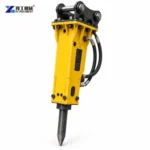
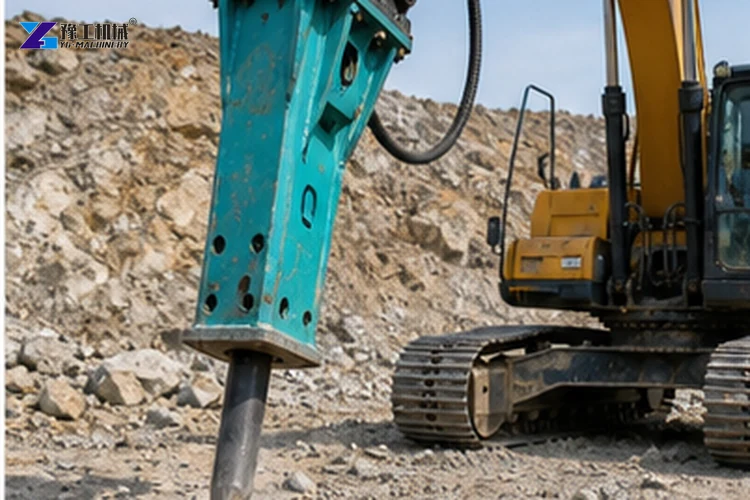
The hydraulic breaker tool is the steel working point that transfers piston energy into concrete or rock. Its shape changes how that energy enters the material. A moil point, chisel, blunt tool and specialized cutting profile may fit the same breaker body, but they do not solve the same fracture problem. Selecting by appearance alone can slow production and accelerate wear in the tool, bushes and retainers.
This guide explains how material, fracture pattern and working access influence tool choice; how the operator should position the tool; and which wear signs mean the method or maintenance needs attention. The objective is not to identify one universal tool but to help a buyer specify the correct working point and spares with a hydraulic breaker package.
Which Hydraulic Breaker Tool Matches The Material?
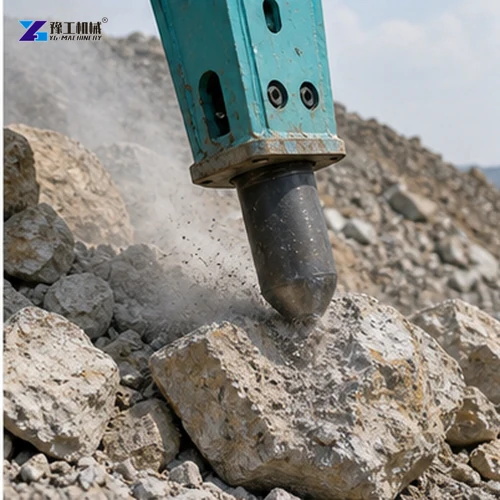
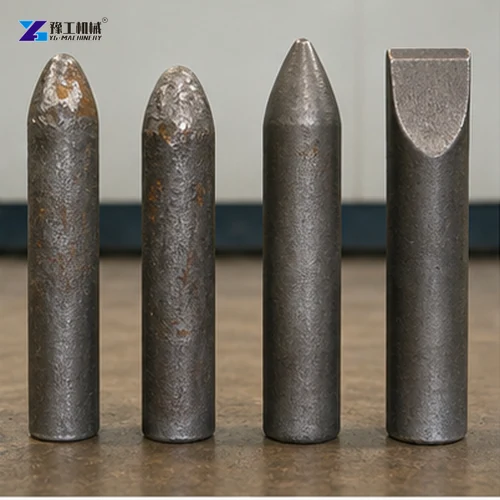
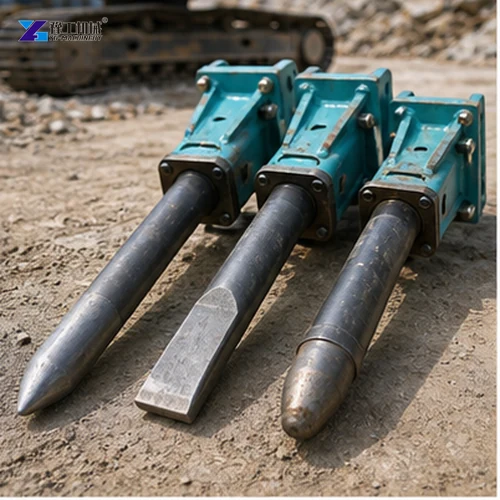
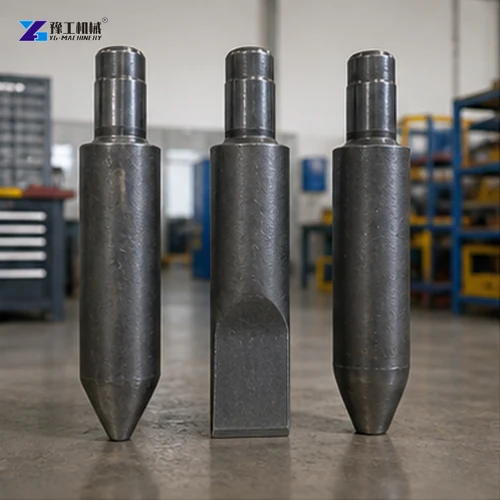
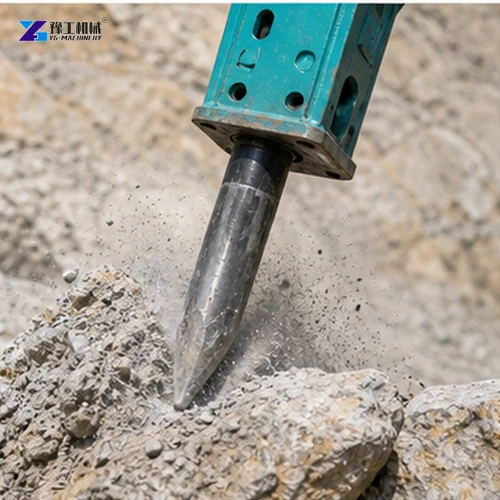
A moil point concentrates energy into a small area. It is useful for initial penetration, opening fractured or weathered rock and starting breaks in selected concrete. The point can enter joints and irregular surfaces, but it is not designed for prying pieces apart. If the material does not fracture after controlled repositioning, holding the point in one location increases heat and wear without guaranteeing progress.
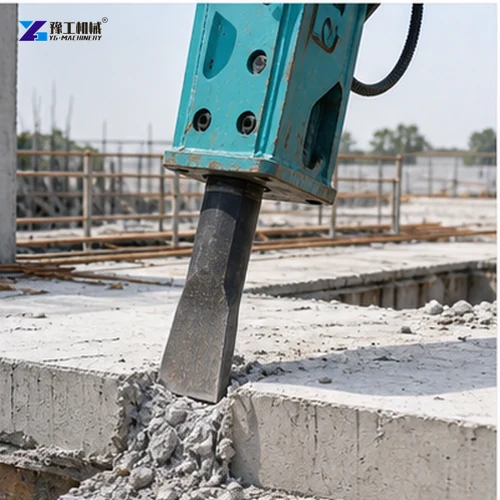
A chisel provides a defined cutting edge. It can guide a break line in concrete, trench work or layered rock when the edge is aligned with the intended fracture. A blunt tool spreads impact over a wider face and can suit secondary breaking of already loosened material or applications where crushing action is preferred. Tool availability and exact use depend on breaker model, so confirm the approved profiles with the supplier.
| Tool Profile | Useful Condition | Operator Focus |
| Moil point | Initial penetration and joints | Keep aligned; reposition after fracture |
| Chisel | Directed break line or layered material | Orient edge with the intended split |
| Blunt tool | Secondary reduction and crushing action | Maintain full face contact |
| Special profile | Defined application and breaker model | Follow supplier approval and limits |
Why Do Concrete And Rock Need Different Work Plans?
Concrete thickness, reinforcement and support determine how a slab or member breaks. Work normally progresses from an exposed edge or a planned pattern that creates manageable sections. The breaker tool fractures concrete; it does not cut reinforcement. Once steel is exposed, the project needs an appropriate cutting method instead of striking repeatedly around the same bar.
Rock selection needs information about hardness, weathering, joints and bedding. A tool can open fractured rock efficiently but struggle on a massive face with no release path. Quarry preparation, trench excavation and boulder reduction use different access angles. Photographs and a description of how the rock currently fails help the supplier recommend the tool and breaker class.
Send YG representative material details if you need a breaker tool recommendation tied to the actual fracture method.
How Should The Tool Be Positioned During Breaking?
Place the tool firmly against the material and align it with the breaker body. Apply enough down force to maintain contact without lifting or destabilizing the carrier. Begin with short controlled impacts and stop when the material fractures. Move to a new point when the location does not respond instead of using a long continuous blow that raises temperature and damages the contact surfaces.
Side loading is a common source of breakage. The tool should not be used as a lever, and the excavator should be repositioned before the tool reaches an extreme angle. Blank firing—operating without effective contact—loads retainers and bushes. The operator should recognize the change in sound and stop immediately when the piece breaks or contact is lost.
Need help matching the configuration to your project? Send the working conditions and YG can review the practical equipment scope for Hydraulic Breaker Tool.
What Do Wear Patterns Reveal About Operation?
Normal wear should be monitored against the breaker manufacturer’s limits. Uneven flats, bending, mushrooming or cracks can point to side loading, unsuitable contact or operation after the tool became excessively worn. A polished band may indicate the working area inside the bushes, while abnormal scoring can indicate contamination, poor lubrication or excessive clearance.
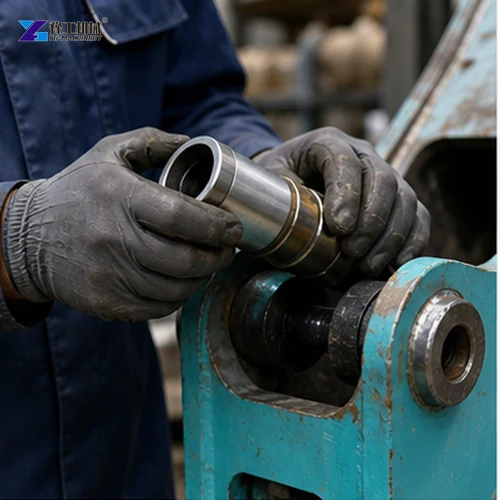
Inspect the tool, retainers and lower bush together. Replacing only the point does not correct worn guidance that allows the new tool to move sideways. Measure clearance with the approved method and examine grease distribution. Structural damage, cracks or heat discoloration require the tool to be removed from service and evaluated rather than ground away without a repair procedure.
How Do Lubrication And Spare Planning Affect Tool Life?
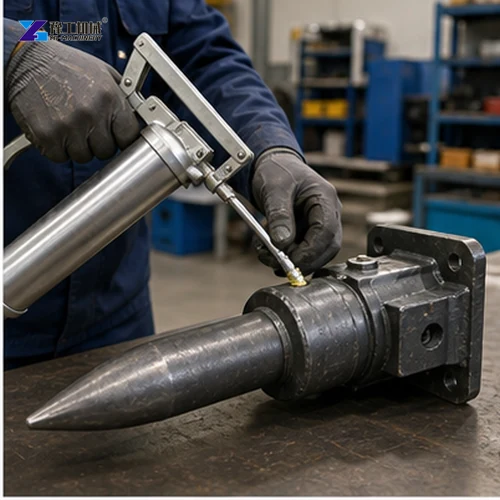
Breaker grease must remain on the sliding contact surfaces between tool and bushes. Lubricate at the specified interval with the tool positioned according to the operating instructions so grease does not enter an unsuitable area. Dust, water and abrasive fines change the service demand. Automatic lubrication can support frequent work, but the operator still checks that grease reaches the intended surfaces.
A spare plan should include approved tools, retainers, bushes and service items based on operating hours and local availability. Contractors working remotely may keep a complete replacement point and retention set on site. Record the material and hours for each tool so purchasing reflects actual consumption instead of emergency estimates.
Compare the YG concrete breaker attachment, New Zealand breaker supply case and mini excavator ripper guide when deciding between impact breaking and ground loosening.
Hydraulic Breaker Tool FAQ
No. Point shape, material behavior, fracture direction and the approved breaker configuration determine the suitable tool.
Side loading, levering, blank firing, excessive bush clearance, poor lubrication, unsuitable material or operating beyond wear limits can contribute.
Reposition when the material does not respond after a controlled interval or when alignment and contact cannot be maintained.
It fractures concrete or rock. Exposed reinforcement normally requires an appropriate steel-cutting tool and controlled method.
Provide breaker model, tool diameter, material, dimensions, fracture pattern, working access, hours and current wear observations.
Need help matching the configuration to your project? Send the working conditions and YG can review the practical equipment scope for Hydraulic Breaker Tool.
Specify The Tool Together With The Breaking Method
For a useful recommendation, send the breaker model, carrier data, current tool dimensions, photographs of the material and the planned work position. Explain whether the task is initial penetration, directed splitting or secondary reduction. YG can then identify an approved tool profile, review operating limits and prepare a quotation that includes the point and practical wear or service items required for the job.