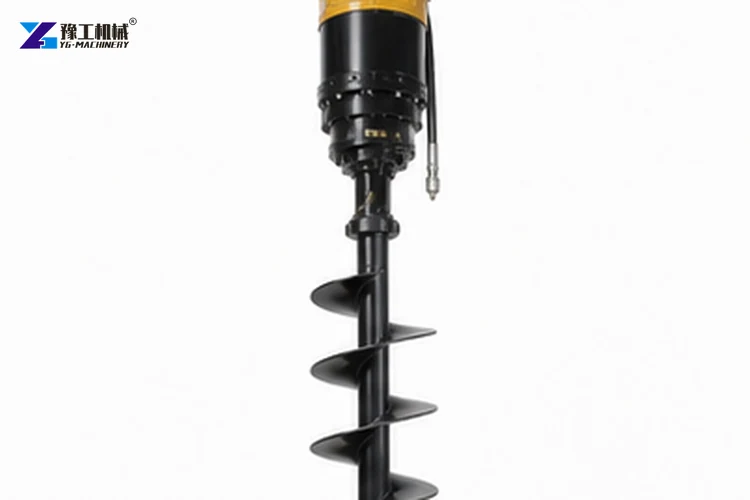
An Excavator Auger Attachment must combine the correct hydraulic drive with a bit that matches hole diameter and ground. A large bit on a low-torque drive can stall; a high-speed drive may polish hard ground instead of cutting it. Carrier weight matters, but usable flow, pressure, coupler geometry and the spoil-clearing method determine whether drilling remains controlled.
This guide helps fencing, solar, landscaping and light foundation contractors select the drive, auger diameter, teeth and extensions. It also explains what to verify before quoting an excavator auger for sale so the supplier can match the complete drilling system rather than sending a generic post-hole attachment.
What Hole And Ground Information Is Needed First?
State finished diameter, depth, vertical tolerance, number of holes and spacing. Describe topsoil, clay, sand, gravel, weathered rock and groundwater by depth. A single surface photo cannot show buried layers, so use bore information or trial holes where refusal would affect the project.
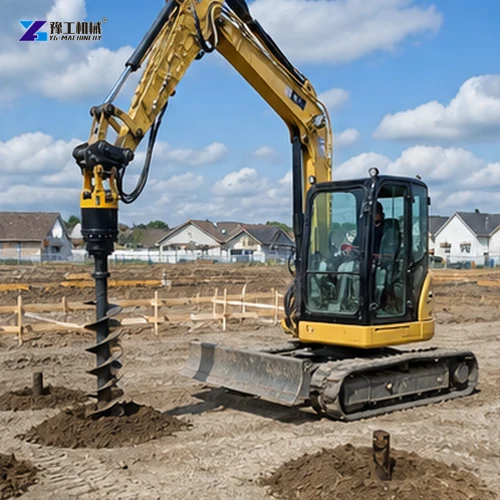
Hole diameter affects required torque and spoil volume. Depth affects extension length and excavator clearance. Plan where spoil falls and how it is removed before the next hole.
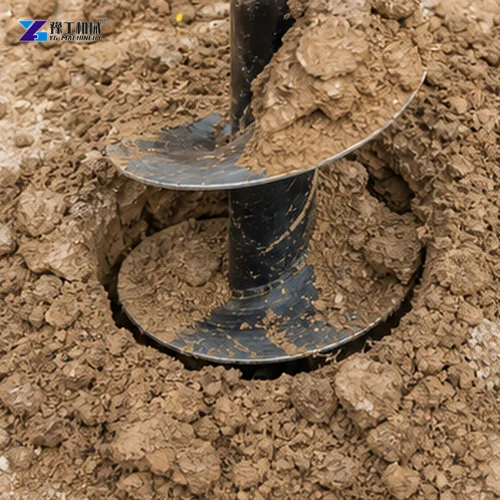
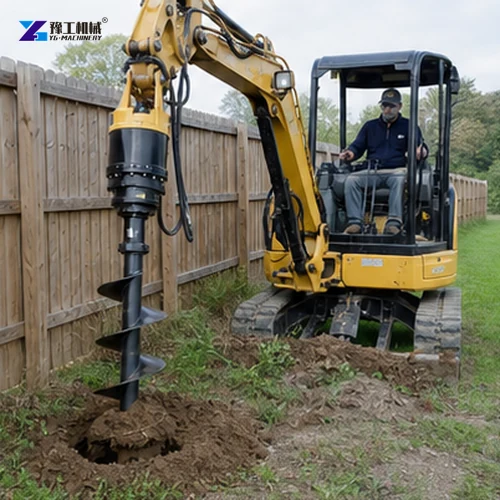
How Are Torque And Speed Matched To The Auger Bit?
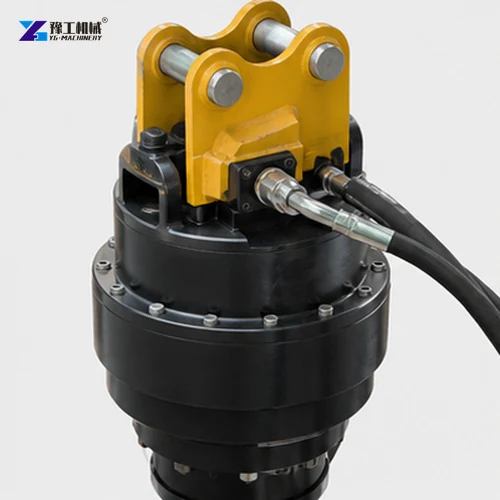
Large diameters and resistant ground need more torque and generally lower speed. Small holes in soft soil can use a faster drive. Available hydraulic flow controls speed, while pressure relates to torque within the drive design. Both must remain inside the attachment range.
Do not force a stalled bit with excessive boom pressure. Clear spoil in stages, keep the auger vertical and let the teeth cut. Repeated stalling can overheat oil and overload the drive, coupler and bit flighting.
Not sure which configuration fits your project? Send the working conditions and YG can review a practical Excavator Auger Attachment configuration for the actual job.
Which Bit And Teeth Suit The Ground?
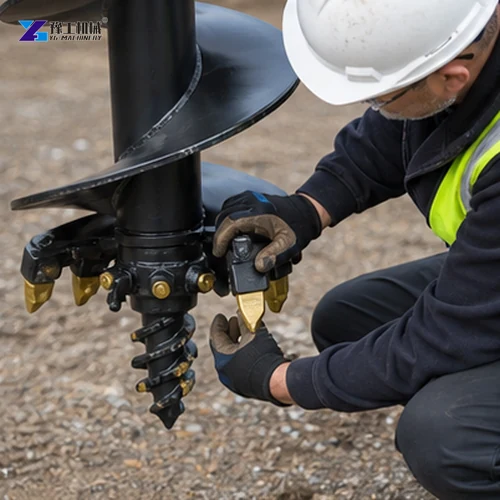
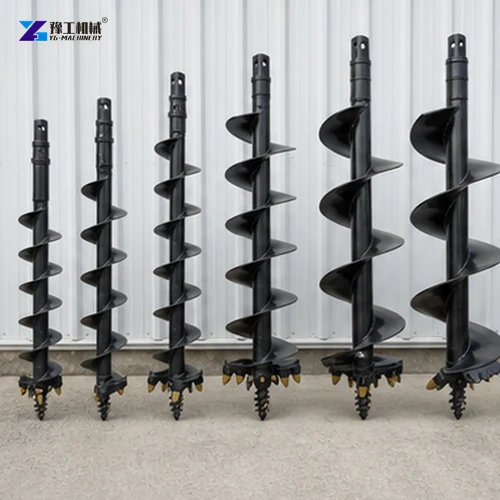
Standard earth teeth suit normal soil; clay needs an arrangement that releases sticky material; abrasive ground needs durable wear parts; rock demands a rock-capable pilot and teeth. Bit flighting must carry cut material without trapping large stones.
Choose extensions and connections for the planned depth. Inspect pilot point, teeth, retainers, flight welds and drive pin before work. A worn pilot lets the bit wander and increases hole diameter variation.
| Specification | Information Required | Selection Impact |
| Carrier | Model, weight and reach | Drive and stability |
| Hydraulics | Flow and pressure | Speed and torque |
| Hole | Diameter, depth and tolerance | Bit and extensions |
| Ground | Layers, stones and water | Teeth and pilot |
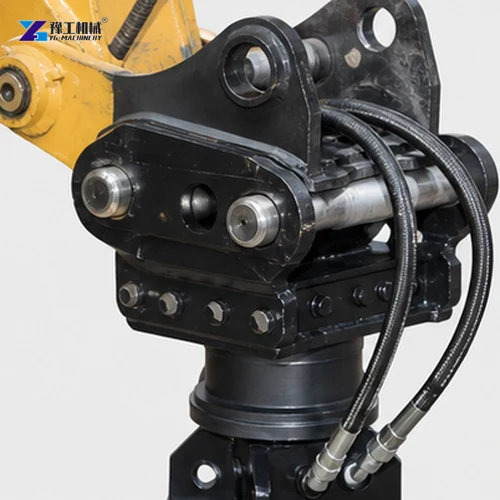
| Mounting | Coupler and pin dimensions | Bracket and alignment |
| Production | Hole count and daily target | Workflow and spare tools |
Production planning should include more than drilling time. Add positioning, vertical alignment, spoil clearing, extension handling, tooth inspection and relocation between holes. A smaller bit may drill quickly but still miss the project target if repeated enlargement or manual trimming is required. Select the finished hole method first, then estimate a realistic shift output.
Before the first production hole, mark utilities and establish a refusal rule. The operator should know when to stop, withdraw the bit and change the cutting system instead of applying uncontrolled crowd force. This protects the drive and carrier while giving the project team a clear process for unexpected rock, buried concrete or groundwater.
Check how the finished hole will be inspected and used. Post installation may allow limited variation, while anchor cages or foundation elements can require tighter diameter, depth and verticality control. The acceptance tolerance influences bit condition, alignment checks and whether a guide or alternate drilling method is needed. Record the measured result from the trial hole before approving the remaining hole sequence and spare-tool quantity.
What Complete Specifications Should The Quote State?
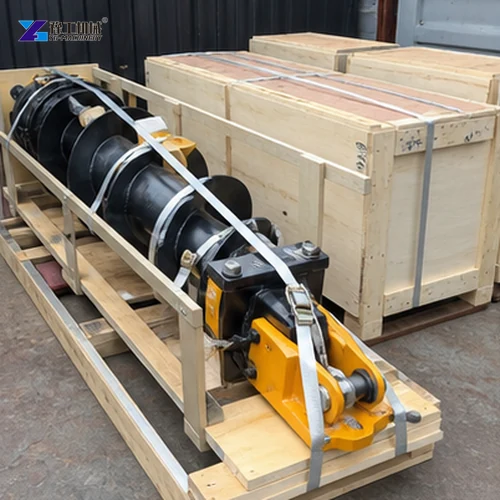
The proposal should state carrier range, drive torque, speed, required flow and pressure, mounting, output shaft, bit diameters, tooth type, standard bit length, extension options, hoses and attachment weight. The table below ensures proposals answer the same buyer questions.
Confirm whether the quick coupler allows the drive to hang vertically and whether hoses clear the boom at full depth. Include spare teeth, pilots and retaining hardware appropriate to the ground.
Not sure which configuration fits your project? Send the working conditions and YG can review a practical Excavator Auger Attachment configuration for the actual job.
How Should An Excavator Auger Attachment Be Ordered?
Send excavator model, coupler dimensions, hydraulics, hole schedule, ground profile, depth, diameter, vertical tolerance, access, destination and expected daily quantity. Identify overhead restrictions and buried utilities.
Compare the excavator rock drill, ripper tooth and excavator attachment collection when hard layers or ground loosening may require a different method.
Excavator Auger Attachment FAQ
No. Soil, clay, abrasive ground and rock require different pilots and teeth.
Insufficient torque, oversized bit, hard inclusions, excessive feed or packed spoil can stall the drive.
Yes when the drive, bit connection, excavator clearance and safe handling method support them.
Provide available auxiliary flow, pressure, return arrangement and coupler details.
Confirm drive, bracket, hoses, selected bits, extensions, teeth, pilots, pins, spares and packing.
Prepare The Project Information For The Next Step
Before requesting a final offer, confirm the application, material or ground, required capacity or dimensions, carrier or power data, site access, destination and expected working schedule. A complete brief allows YG to review compatibility, included equipment, wear parts, transport and support without relying on assumptions.
Send the measured project conditions with photographs or drawings. The technical and sales teams can then prepare a configuration and quotation that reflects the actual work rather than a generic product listing.
Not sure which configuration fits your project? Send the working conditions and YG can review a practical Excavator Auger Attachment configuration for the actual job.