A Supported Attachment Allows The Supply Scope To Be Reviewed
Two excavator breaker price offers can describe very different purchases. One may cover a breaker body; another may include the housing, upper bracket, tool, hoses and mounting parts needed for a particular excavator. Before comparing the figures, establish whether both suppliers are pricing the same installed configuration and whether the carrier needs additional work.
For demolition and excavation contractors, the useful budget is the amount required to put a suitable attachment into service and keep it working. YG publishes hydraulic breaker specifications across several carrier classes, but a current selling price requires a defined configuration. This guide explains the differences that should be resolved on a quotation, including an important distinction between listed main-body weight and complete attachment weight.
Is The Excavator Breaker Price For A Body Or A Working Attachment?
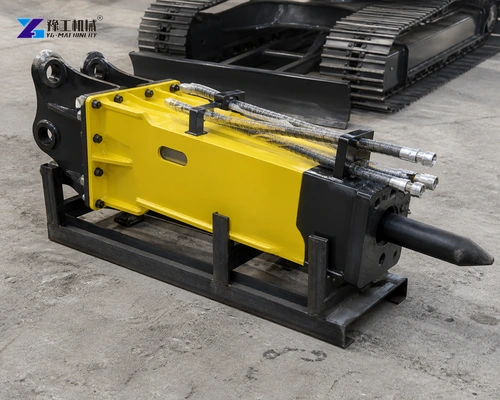
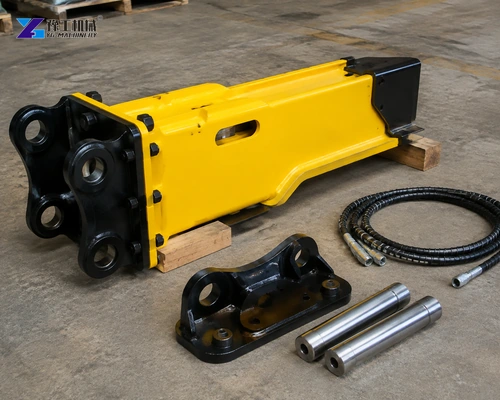
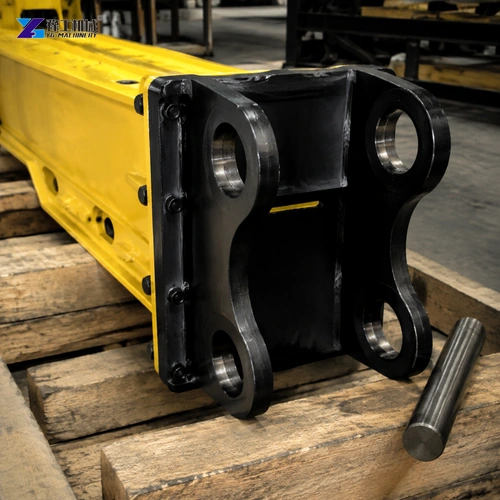
Ask the supplier to identify the scope in plain terms. A breaker body, a housed attachment and a carrier-ready assembly are not interchangeable descriptions. The upper bracket must suit the connection arrangement, and the tool must match the work. Pins, retainers, hoses, fittings and any installation components should appear as included items or explicit exclusions rather than being assumed from a product photograph.
A concrete breaker attachment is selected for a defined carrier and material, not only for its color or external housing. State whether the quote is for direct pin mounting or use through an existing coupler. If the attachment will move between excavators, identify each machine; an assembly that fits one carrier may require additional brackets or a different hydraulic setup for another.
Put the supplier’s scope beside your existing equipment list. Reusing compatible hoses or mounting parts may be possible after inspection and specification checks, but presumed reuse can hide a real installation cost. Keep unresolved items visible in the comparison rather than assigning them a zero value. This is the first way to make an excavator breaker price comparison meaningful.
Identify Which Mounting And Connection Parts Are Included
Which YG Model Class Should Be Used For A Comparable Quote?
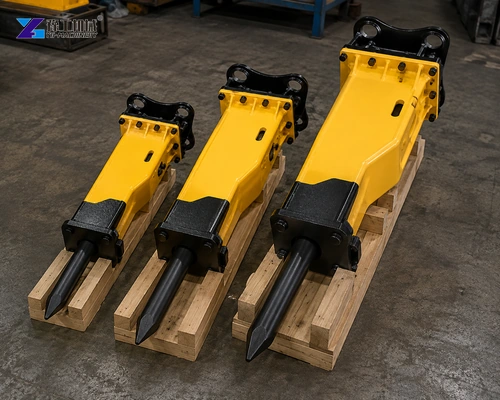
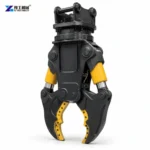
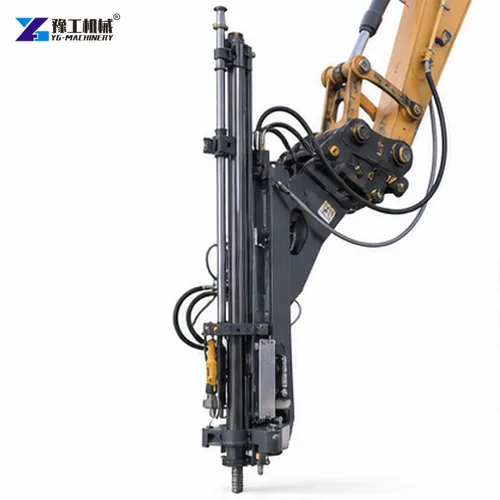
The following four models illustrate different classes within YG’s published range. All published parameter fields for these selected models are retained. They are not substitutes for checking the actual carrier, duty and mounting arrangement, and the pictures illustrate the enclosed-breaker type rather than proving a model’s dimensions.
Published Parameter
YG530
YG750
YG1350
YG1750
Chisel Diameter
53 mm
75 mm
135 mm
175 mm
Suitable Carrier Weight
2.5–4.5 t
6–9 t
16–26 t
35–40 t
Main-Body Weight
85 kg
210 kg
846 kg
1929 kg
Operating Pressure
90–120 kg/cm²
120–150 kg/cm²
160–180 kg/cm²
180–200 kg/cm²
Hydraulic Oil Flow
25–50 L/min
50–90 L/min
130–150 L/min
210–290 L/min
Blow Frequency
600–1100 bpm
400–800 bpm
400–800 bpm
200–350 bpm
Hose Diameter
1/2 inch
1/2 inch
1 inch
1-1/4 inch
Read the weight row carefully. Main-body weight does not establish the mass of the complete housed assembly with bracket, tool and hoses. Obtain the final installed weight when reviewing the excavator’s permitted attachment and lifting limits. Freight calculations need packed shipping weight as well; neither value should be reconstructed by guessing which components the published figure contains.
Blow frequency is also not impact energy. A larger breaker can have a lower frequency, and multiplying frequency by a guessed energy figure does not create a valid performance comparison. Ask for applicable performance information under the proposed conditions rather than treating the highest bpm as the best value. The excavator breaker price should be compared within a technically suitable shortlist, not across unrelated carrier classes.
Send the excavator model, intended work and available auxiliary-flow information. YG can narrow the quotation to suitable breaker classes before you compare package costs.
Compare Suitable Classes Rather Than Unrelated Headline Prices
Where Can Carrier-Side Installation Add Unexpected Cost?
Hydraulic Circuit Work
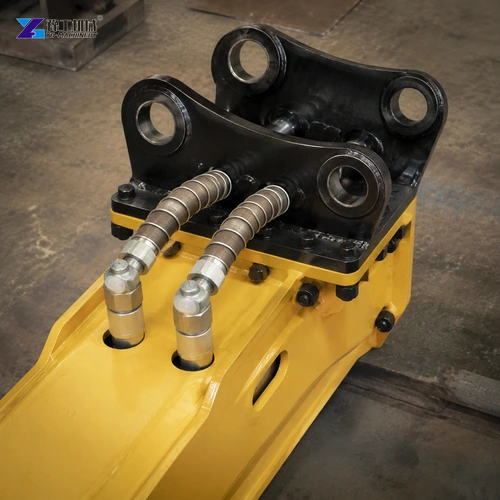
The attachment’s specified flow and pressure must be considered alongside the excavator’s auxiliary-circuit arrangement. Identify the available settings, return path, controls and any required modifications with the carrier supplier. Total pump output is not automatically the flow available to the breaker. A machine described as “breaker ready” still needs its actual specification checked against the selected attachment.
YG’s carrier compatibility guide explains the technical checks; the quotation should translate their outcome into a clear division of responsibility. State who supplies hoses and fittings, performs installation, checks settings and verifies operation. Do not raise pressures or change a relief setting merely to match an advertisement. Unspecified carrier-side work can materially change the installed excavator breaker price.
Brackets, Pins And Connection Geometry
Supply pin diameters, pin-center spacing, bracket width and clear photographs. Where a coupler is retained, include its model and interface data. The mounting drawing needs to cover physical engagement, retention and clearance, not just the diameter of one hole. Ask whether an adapted bracket is included in the quoted amount and require approval before manufacture.
Also distinguish one-time fitting cost from the cost of changing attachments during normal work. A contractor who swaps tools frequently may evaluate the connection differently from one assigning a carrier to a long breaking task. That does not justify an unverified coupler retrofit; it identifies an operating requirement that the mounting proposal must address.
Specify Hoses Fittings And Carrier-Side Work Separately
The Approved Mount Must Match The Actual Carrier Interface
What Should You Budget Beyond The First Breaker Tool?
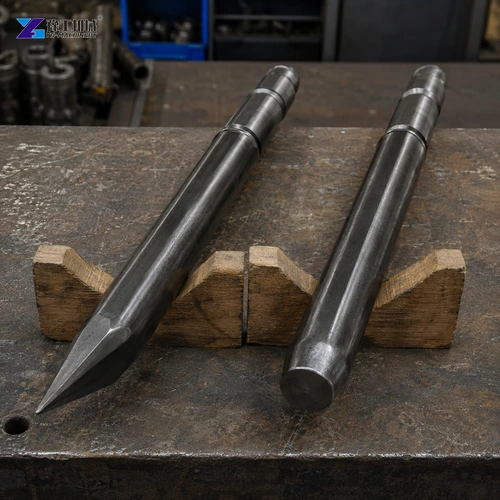
A tool suited to the material helps avoid paying for a package that needs immediate changes. Ask which tool shape and quantity are supplied and what alternatives are available for the selected body. YG’s hydraulic breaker tool selection guide separates these decisions from the machine-class choice. Do not assume that a replacement fits because its visible diameter appears similar: retention geometry and the exact breaker specification also matter.
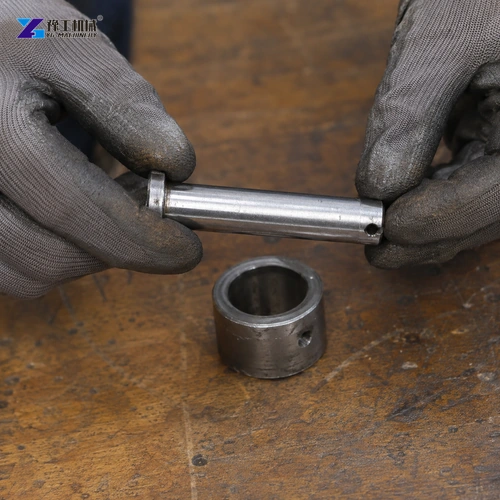
Request an itemized wear-parts list with part identification, availability and replacement guidance. Tools, bushings, retaining components, seals and hoses can have different inspection and replacement needs. No universal service life is promised here; material, duty, lubrication, contamination and operating practice affect maintenance. Compare the support package without turning an unverified wear estimate into a guaranteed annual saving.
Downtime can matter as much as the spare-part purchase amount. Decide which items are practical to keep locally and which require supplier service. Specify the information needed when requesting parts, including model and serial identification. The useful ownership comparison connects the excavator breaker price to a maintainable attachment, rather than adding a vague “spares included” line.
Tell YG the expected duty and the location where the attachment will work. Ask for a model-specific tool and service-parts proposal alongside the main equipment offer.
Confirm Tool Geometry And Compatibility In The Offer
Request Model-Specific Identification For Service Components
How Do You Keep Delivery And Acceptance Comparable?
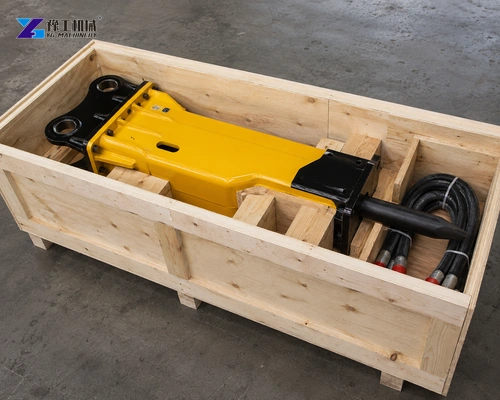
Normalize the commercial terms after the technical scope is agreed. Use the same currency, delivery destination and stated responsibilities when comparing quotations. Confirm whether packing, freight, import handling and unloading are included or excluded. A machine-only amount should not be compared directly with a delivered package, and a historical offer is not evidence of today’s selling price.
Before dispatch, match the model identification, approved mount and accessory list to the order. Ask for packing details and the checks supplied with the attachment. On receipt, follow the manufacturer’s installation and commissioning instructions with suitable personnel; a visual match to a photograph cannot establish correct hydraulic settings. Record any discrepancy before putting the attachment into normal service.
An excavator breaker price offer becomes actionable when its equipment scope, exclusions and acceptance requirements are clear enough to compare line by line. Resolve missing information before treating the lowest subtotal as the preferred purchase. This keeps the discussion focused on a workable installation rather than on an attractive but incomplete number.
Packing And Delivery Responsibilities Belong In The Comparison
Questions To Resolve Before Accepting A Breaker Quote
Does The Listed Main-Body Weight Include The Upper Bracket?
Do not assume so. Request the complete installed attachment weight and packed shipping weight for the exact configuration being offered.
Can I Compare Value Using Blow Frequency Alone?
No. Frequency does not specify impact energy or confirm suitability for the material and carrier. Compare technically appropriate configurations first.
Can Existing Hoses Be Used To Reduce The Purchase Cost?
Only after their condition, rating, connections and routing are confirmed suitable. An unverified reuse assumption can leave the installation incomplete.
Should Replacement Tools Be Included In The First Order?
Consider expected duty, local availability and service arrangements. Ask for separately identified options rather than accepting an unspecified spare-tool promise.
For a useful excavator breaker price request, provide carrier identification, hydraulic information, mounting details, the material to be broken and the destination. Identify which existing parts you hope to retain and which service items should be included. YG can then define the attachment and supply boundary so your comparison covers what will actually be installed.