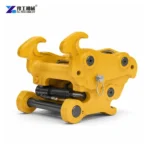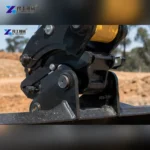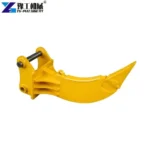
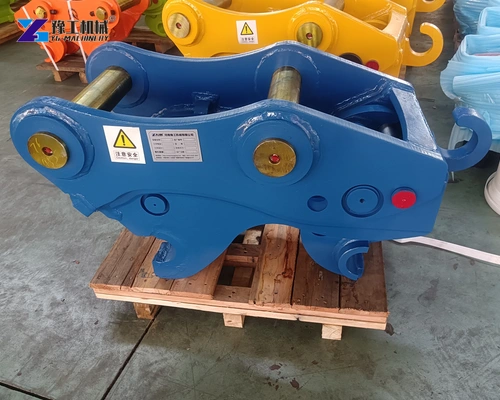
An excavator quick coupler price is only one part of converting a machine to faster attachment changes. The coupler must connect to the excavator linkage and pick up the intended attachments. Its locking arrangement needs the appropriate operating equipment, and the extra mass and geometry become part of the installed attachment assembly. A low body-only quotation can therefore leave important conversion costs outside the offer.
The buying decision begins with the attachments that will actually be exchanged. A contractor changing between several buckets has a different connection task from one changing between buckets, a breaker and a hydraulic grab. Mechanical retention and hydraulic-tool connections are separate functions. Comparing them explicitly makes the quotation useful without paying for features that do not solve the fleet’s working problem.
The Attachment Fleet Defines the Quick-Coupler Purchase
A coupler forms an intermediate connection between the excavator linkage and the working attachment. One side fits the carrier; the other retains the attachment’s mounting arrangement. Matching one side does not establish that every bucket or tool in a yard can use the other. The purchase should therefore describe a defined group of attachments rather than an unrestricted claim of universal compatibility.
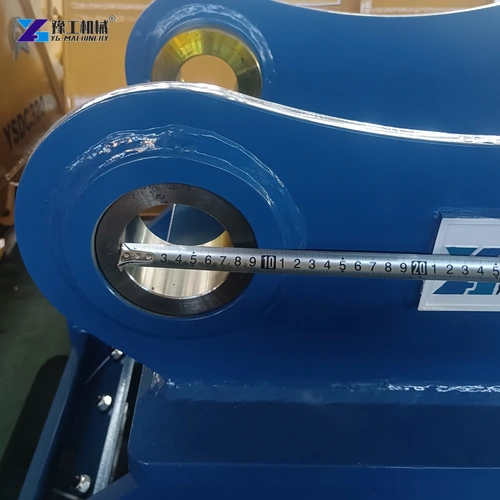
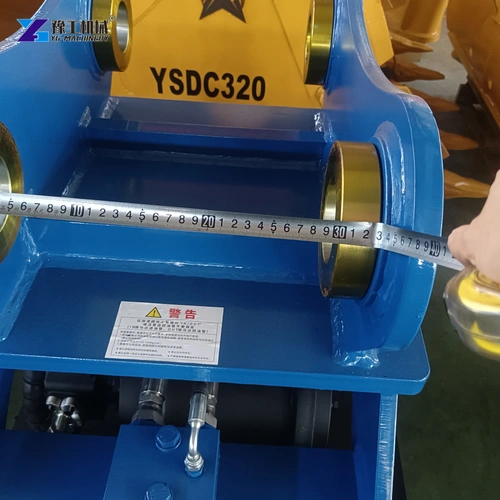
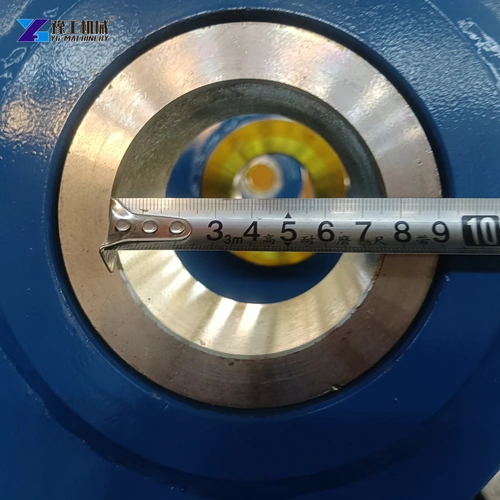
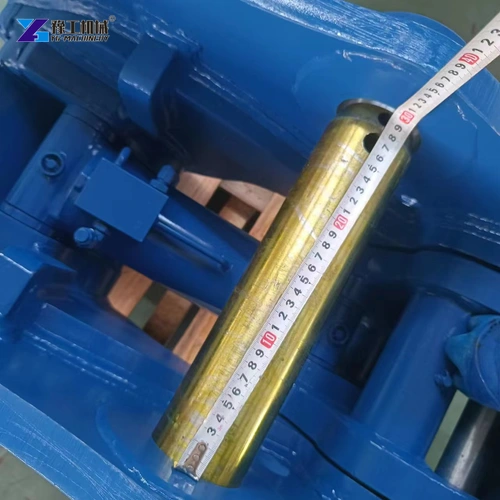
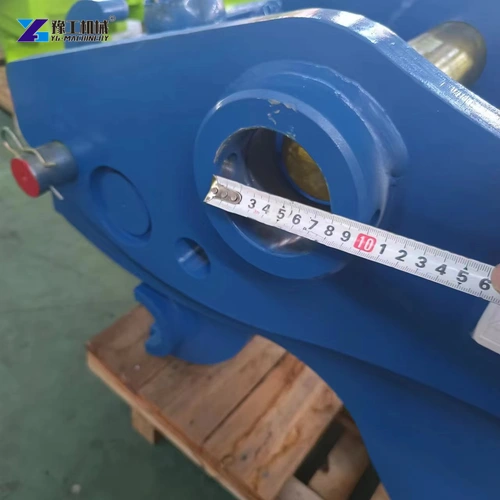
Pin diameter, centre spacing and bracket opening affect physical engagement. Existing attachments can have different dimensions even when they have been used on excavators of similar operating weight. Bringing those interfaces into a compatible system may require suitable mounting arrangements for individual tools. That work belongs in the conversion budget rather than being discovered at the first attachment change.
Fleet conversion is particularly important when equipment is shared between carriers. A coupler suitable for one machine does not automatically let a second excavator use the same tools. Compare the allowed carrier and attachment combinations individually. A smaller, clearly defined compatible set can be more useful than buying a coupler around an assumed yard-wide standard.
The excavator quick coupler fit and locking guide covers the connection and retention questions. For a price comparison, use those requirements to identify what each offer supplies and what conversion work remains.
List the tools that need to work with the coupler.
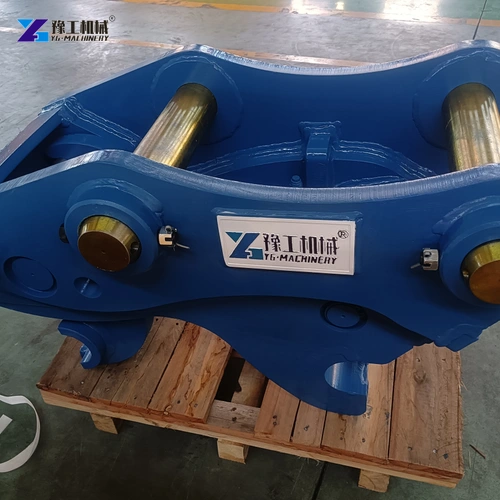
Manual and Hydraulic Locking Change the Installed Package
Mechanical and hydraulic couplers differ in how their locking mechanism is operated. A manually operated locking mechanism requires its specified mechanical engagement procedure. A hydraulic arrangement uses a supplied actuator and control circuit for the locking action. The value of the hydraulic option depends on the working pattern and complete installation, not simply on calling it automatic.
For hydraulic locking, the actuator is only part of the supply. The control arrangement, hoses, fittings and prescribed retention provisions must form one system. An excavator’s existing auxiliary tool circuit does not by itself establish that this locking circuit has been installed correctly. The installer needs to distinguish the coupler function from the power supply for a breaker, auger or other tool.
Likewise, mechanically picking up a hydraulic tool does not connect its operating hoses. A fully automatic hydraulic connection system is a separate capability from hydraulic coupler locking. If the job requires oil-line connection without leaving the operating position, that requirement needs a specifically supplied system. It should not be included in the expected saving from an ordinary hydraulic locking coupler.
Locking and retention provisions must be evaluated for their actual design and prescribed checks. A low purchase price is not a reason to omit them, and a higher price is not evidence of an independently verified safety feature. Compare the identified mechanism and operating requirements, then ensure the supplied installation supports them.
YG Excavator Quick Coupler Parameters
These published YG dimensions illustrate different excavator mounting-size ranges. They help define which equipment is being priced; they are not a substitute for matching the actual linkage and attachments.
| YG quick coupler model | YGMINI | YG45 | YG50/55 | YG60/65 |
| Listed suitable excavator | 1.5–4 t | 4–7 t | 5–8 t | 9–19 t |
| Coupler mass | 25 kg | 50–60 kg | 80 kg | 120–130 kg |
| Listed pin diameter | 25–40 mm | 45–50 mm | 50–55 mm | 60–70 mm |
| Pin-to-pin centre distance | 80–150 mm | 230–270 mm | 290–360 mm | 380–420 mm |
| Forearm opening width | 80–140 mm | 155–170 mm | 180–200 mm | 232–315 mm |
The overlapping excavator-weight bands show why machine tonnage is a starting point rather than a final order specification. For example, a carrier near the boundary between two classes still needs its linkage dimensions checked. Selecting isolated dimensions from different columns would describe a combination that the table does not define.
Mass matters after installation because the coupler becomes part of every attachment assembly used with it. Overall geometry can also change the working relationship between the linkage and tool. These effects belong in the carrier’s attachment assessment. They cannot be priced as a benefit or penalty using the coupler weight alone without the actual task and carrier information.
Match the selected model to the actual linkage dimensions.
Quick-Coupler Conversion Costs Across an Attachment Fleet
- One carrier, one compatible tool set. The initial cost includes the selected coupler and its carrier connection. Tools that already match the permitted attachment interface avoid separate mounting conversion, making the existing attachment inventory an important part of the budget.
- Hydraulic locking installation. The actuator needs its own specified control and connection arrangement. Installing that function can add hoses, fittings and labour even when a breaker circuit already exists. Tool-power hoses remain a separate connection task unless an automatic oil-connection system is expressly included.
- Mixed attachment interfaces. Each incompatible bucket or tool adds a separate conversion decision. Assess the frequently used tools first: converting one excavator can otherwise turn into several mounting purchases before the regular work can use the new coupler.
- Service over repeated changes. Engagement surfaces and the locking mechanism are used on every change. The supplied inspection procedure and identifiable replacement parts support continued retention; their service work belongs in ownership cost rather than being hidden in an budget for unspecified accessories.
Packing, delivery and destination charges are additional commercial boundaries. Record the agreed trade terms beside the equipment scope. This prevents a delivered and installed offer from being compared directly with a factory coupler-body price as though both covered the same work.
For a small fleet, the conversion may be staged. The most frequently exchanged compatible tools can be assessed first, with less frequent tools evaluated separately. Staging is useful only when the allowed combinations remain clear to operators; it is not permission to use an unverified attachment because another bucket fitted successfully.
Separate the coupler body from conversion and installation work.
Excavator Quick Coupler Value From Actual Changeover Time
Frequent changes between digging, grading and another defined task create opportunities to reduce changeover interruption. A machine that uses one bucket for long periods presents a different working pattern. The same installed excavator quick coupler price can therefore have different business value on two otherwise similar excavators.
Record a complete change under the existing method, then a comparable change with the proposed system: place and release the first tool, approach and engage the next, carry out retention checks, and connect tool hydraulics where needed. The difference between those complete cycles is the useful time saving per change. Multiply an observed saving by the number of comparable changes to estimate excavator time made available for other work; include necessary checks in both cycles.
A utilities crew repeatedly alternating between digging and grading buckets can accumulate those small savings during each workday. A crew keeping one bucket fitted for several days has fewer opportunities. Financial value then depends on whether the released time supports productive work, while the installed conversion cost includes the coupler, controls and any attachment modifications. Those two crews can reasonably choose different packages without either choice being the universally cheaper one.
The strongest purchase decision connects the coupler, the actual attachment set and the regular change pattern. Compare that installed conversion scope first. Then use observed working time and ownership costs to decide whether the chosen mechanism provides worthwhile value for the fleet.
Compare the changeover pattern for your actual attachment fleet.
Excavator Quick Coupler Price FAQs
The installed offer can include pins, hoses, controls, labour and checks needed on the named excavator. An attachment-fleet conversion can add work on individual tools. Compare the included scope before judging the price gap.
Not by itself. Locking retains the attachment mechanically through the coupler mechanism. Connecting the tool’s hydraulic supply is a separate function unless an expressly supplied automatic connection system provides it.
It helps identify a size band, but linkage and attachment dimensions still determine physical fit. Overlapping published carrier classes make that dimensional check particularly important at model boundaries.
That depends on their compatibility and use. A staged conversion can suit a fleet when the permitted combinations are clearly identified. Frequently exchanged tools and rarely used equipment may justify different investment priorities.
Use the actual number and duration of comparable changes. Retain positioning, locking checks and hydraulic connection time that the selected system still requires. Compare the resulting observed saving with installation and ownership costs.
Send the excavator linkage and the attachment set you want to exchange so we can discuss a defined coupler conversion.