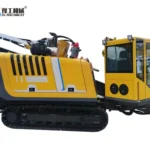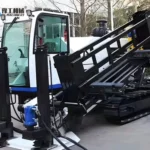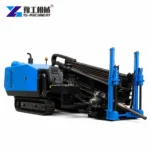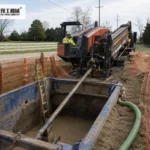
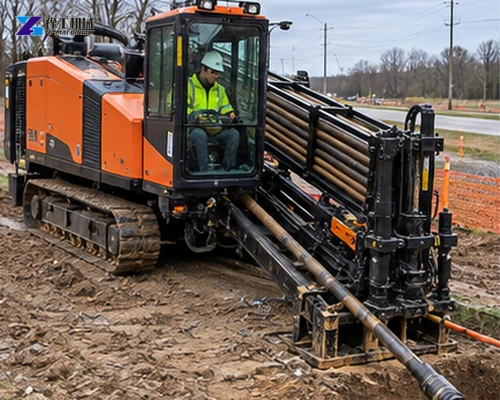
Select a trenchless drilling machine from the ground and bore evidence, not pullback force alone. Clay, loose sand, mixed gravel and competent rock change steering, cutting, fluid circulation and spoil removal. Start the brief with formation, product diameter, bore length, cover, entry and exit space, utility constraints and recovery planning. This gives a supplier enough context to recommend a usable package. Record whether the route is open or congested, how the rig will be delivered, where the mud system can stand, and how excavated material will be contained. These details affect setup time, environmental control and crew movement. Include the intended product, its installation tolerance and any protection requirement at crossings. A clear first brief prevents a supplier from optimizing an abstract machine while missing the practical constraints that determine whether the equipment can be used safely and economically. Also identify groundwater, disposal rules, work-hour limits and the people responsible for locating and monitoring. These inputs may change the auxiliary list even when the rig itself remains suitable. Treat them as quotation data, because a low equipment price without a workable support arrangement does not represent a low project cost. The buyer should be able to explain why the selected configuration matches the ground and how unresolved risks will be tested before installation.
This is a commercial screening guide for a new-site purchase. YG catalogue values are boundaries for comparing candidates, not project approval, guaranteed production or a substitute for geotechnical review. Rig, rod, pilot tooling, reamer, drilling fluid and support equipment must be checked against the alignment and working method.
Review the horizontal directional drilling equipment range for the wider family.
Send ground description, bore length and product diameter for a machine-class screen.
Ground investigation sets the buying boundary
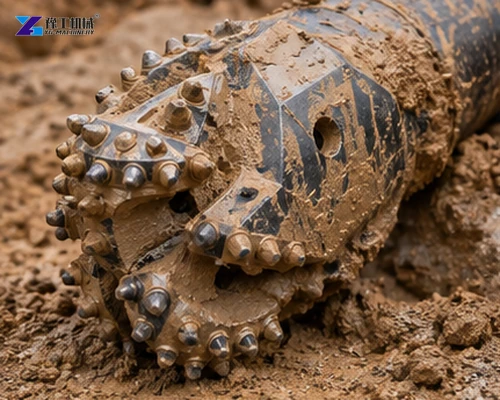
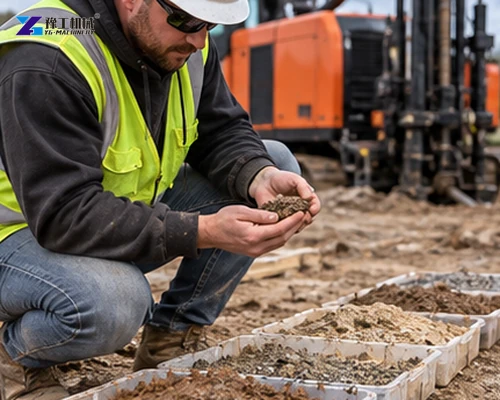
Investigate layers along the alignment. Record clay plasticity, sand density, groundwater, cobbles, gravel size, weathered rock and competent rock intervals. Note expected fluid losses, returns, surface sensitivity and fill. Clay can build sticky spoil; sand may lose fluid; gravel can deflect the pilot; rock needs compatible cutting equipment. A mixed profile is difficult because face and fluid behavior change during one bore.
Separate fixed route, product and access requirements from trial questions about consistency, cutting response, returns and wear.
Match pullback and torque to the bore
Pullback advances rods and installs product, while torque turns the string and tooling. Required values depend on length, alignment, bend radius, product friction, buoyancy, lubrication, tool condition and formation resistance. Provide product outside diameter, material, installed length, depth, entry angle, radius and formation changes. Ask how force and torque are measured and which auxiliaries are assumed.
Tooling selection follows formation behavior
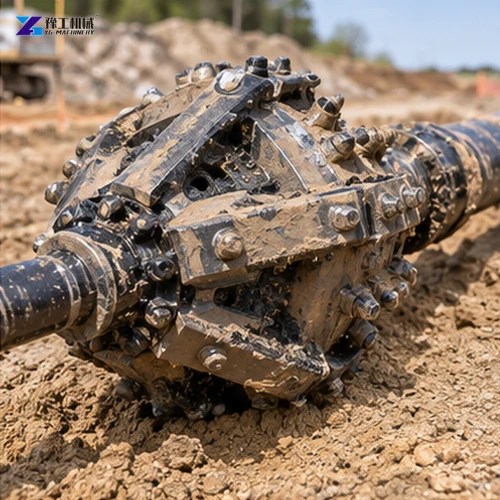
Pilot tooling should solve the cutting and steering problem. Clay needs geometry that sheds sticky material; sand needs attention to face stability and fluid transport; gravel needs a cobble and abrasion plan; rock needs a compatible rock pilot. Stage reamers instead of choosing only by final diameter. Confirm rod connections, swivel, locating method and pulling head as one load path.
Use the HDD reamer and stage-tool selection guide to assemble pilot, stages and pulling head.
Share formation sequence and product size for a pilot, reamer and rod review.
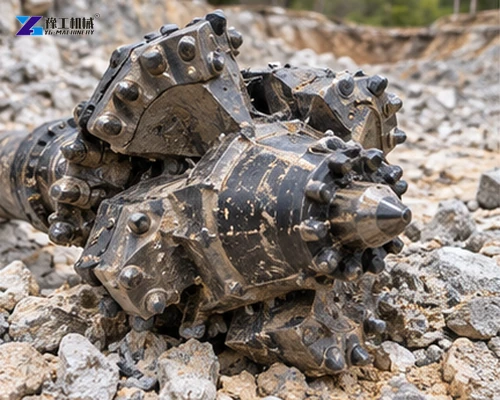
Verified YG catalogue envelope
| Catalogue item | Verified YG screening envelope |
| Pull/feed force | 160/100 to 320/320 kN |
| Torque | 5000-12000 N.m |
| Maximum reaming diameter | 600-800 mm |
| Mud flow | 160-320 L/min |
| Mud pressure | 80-100 bar |
Use the complete parameter row when screening candidates. The listed pull/feed force, torque, reaming diameter, mud flow and mud pressure describe a package. One attractive number is not a complete selection rule. Clarify the supplied force notation against the model sheet and ask which rods, mud system and tooling correspond to the quoted boundaries.
Drilling fluid and returns need a site plan
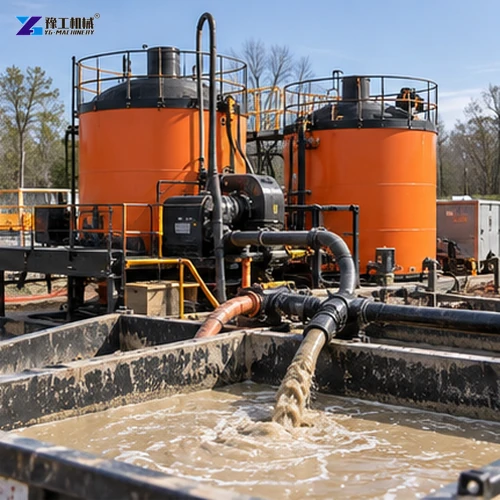
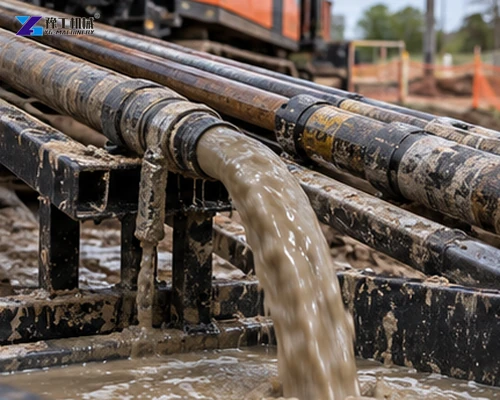
Fluid selection follows formation, water quality, mixing practice, viscosity target and return management. In clay, excessive viscosity or poor solids control can reduce cleaning. In sand, inadequate fluid behavior can increase loss and instability. Gravel and rock create coarse cuttings that need separation and disposal. Discuss pump, tank, mixing unit, recycling and spoil handling with the rig.
The HDD utility-crossing process overview places fluid beside locating and installation.
Send water availability and formation notes to check the proposed mud-flow range.
Bore geometry and trials expose assumptions
Review entry and exit pits, bend radius, cover, steering tolerance, utility clearance and space for rods and spoil. Confirm the rig can be positioned, anchored and serviced without moving the alignment. Transport access and power or hydraulic support belong in the review because a suitable machine may still be impractical at the worksite.
A controlled trial should use representative ground with the proposed pilot and fluid approach. Record drilling response, steering, pressure, torque, returns, cuttings, wear and surface effect. Use findings to revise stages or quote assumptions. A short demonstration is evidence for a decision, not proof of universal performance.
Build a quotation file that can be checked
Attach alignment drawings, investigation logs, product data, bore length and depth, ground layers, water information, target diameter, tooling stages, expected pullback, fluid requirements, photos, access limits and acceptance records. Ask the supplier to list model, accessories, exclusions, utilities, operator requirements, spare tooling and service assumptions.
Compare usable scope rather than headline force. Check units, paired force notation, torque, mud boundaries, rod compatibility, reamer inclusion, locating and mixing equipment, delivery envelope and commissioning. Make every model-dependent value explicit. Include a daily record for rod count, formation observation, fluid volume, tool changes, interruptions and installed product condition.
Send project inputs for a quote tied to ground, force, torque, fluid and tooling.
Turn the shortlist into a defensible purchase decision
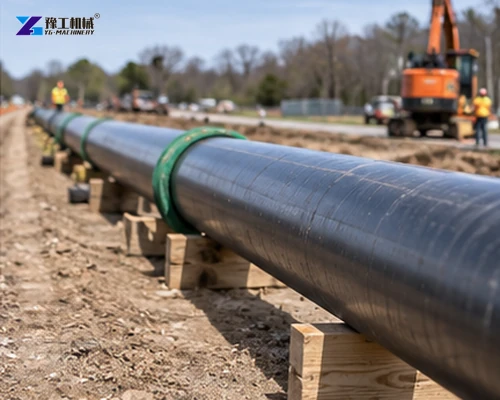
The best shortlist explains the relationship between the site and the machine. For a short utility crossing in uniform clay, the buyer may value predictable steering, clean returns and a manageable tooling change more than the highest available force. A long bore through variable ground needs a different discussion, including contingency tooling, fluid capacity, monitoring and a realistic pullback allowance. Neither conclusion can be made from a single catalogue line. Put the reason for the chosen class beside the supporting ground evidence.
Check the complete working package before comparing commercial totals. Include the rig, rod string, pilot assembly, staged reamers, swivel, pulling head, locator or steering method, mud pump, mixing and recycling equipment, hoses, tanks, spoil handling and required spares. Clarify which items are optional and which are required for the quoted performance boundary. Ask who supplies operator training, commissioning guidance, maintenance information and the response path for a tooling or fluid problem.
The acceptance record should be agreed before delivery. Define the representative formation or trial route, product size, bore geometry, measurement points, allowable deviations, fluid observations, force and torque records, and the documents the supplier must return. If the trial cannot reproduce the full bore, state exactly what it proves and what remains subject to project review. This keeps a commercial demonstration honest while still making it useful to the purchasing team.
Finally, make the enquiry easy to answer. A supplier can work faster when drawings, photos, investigation notes, dimensions, utilities, access limits and target results are in one file. List questions in the same order as the proposed operation: pilot, steering, reaming, fluid, returns, product pullback and site restoration. Request assumptions in writing and retain the revised model sheet with the quote. That record gives operations, engineering and purchasing one shared basis for approval.
Trenchless Drilling Machine FAQ
Review sticky-soil tooling, fluid behavior, returns and torque together.
Confirm pilot geometry, staged reaming, abrasion control and solids handling.
No. Ground, product, pilot and stages determine usable size.
Pullback advances product; torque turns the string and tooling.
Record force, torque, pressure, flow, returns, steering, wear and surface movement.
No. It supports a shortlist; technical and utility review remain necessary.
Document every assumption clearly.