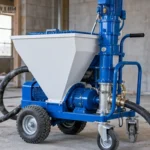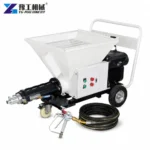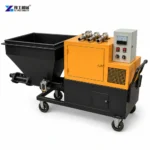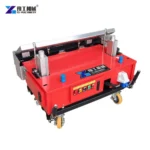
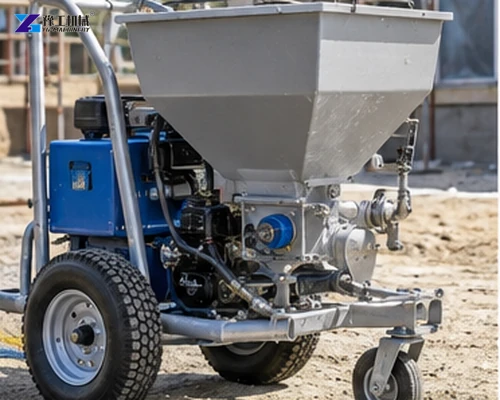
A commercial stucco purchase should begin with the wall-finishing result, not a generic pump label. A stucco sprayer machine can help a contractor cover prepared surfaces with a more repeatable application rhythm, but the buying decision depends on the material, hose route, surface access, crew method and cleanup plan. Define those conditions before asking suppliers to compare equipment.
Prepare a short project brief with the stucco or mortar type, aggregate condition, intended coat, indoor or outdoor location, approximate work area, daily schedule and available utilities. Include photos of the substrate and the access route. This evidence lets a supplier discuss a workable stucco sprayer machine configuration instead of replying with an unqualified capacity claim.
Send the material, surface, work area and site constraints so YG can review the right whole-machine purchase questions with you.
Define the material before comparing machines
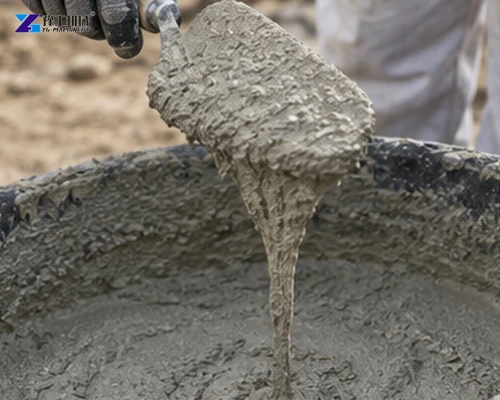
Stucco mixes are not interchangeable simply because they are all pumped toward a wall. Cement-based material, premixed plaster, fine finishing compounds and mixes containing a coarser aggregate may place different demands on feeding, mixing, hoses and the nozzle. Tell the supplier the actual formulation or a representative sample, including whether it is factory-bagged or mixed on site.
Also identify the acceptable preparation range. A material that arrives with lumps, excess moisture or inconsistent mixing can create blockages and surface variation regardless of the machine selected. Ask which preparation steps belong to the buyer and which can be reviewed during a material trial. Do not treat a product name alone as proof of compatibility.
Match application control to the wall result
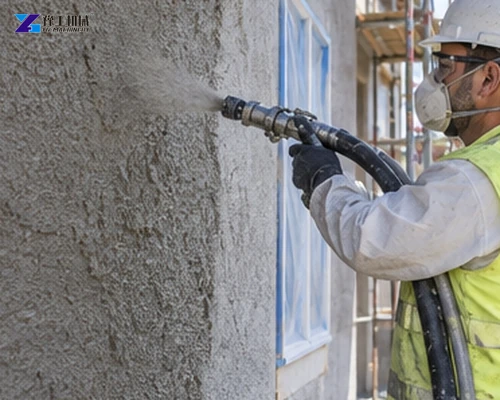
The useful output is a wall that meets the project’s finish, coverage and rework expectations. Discuss how the stucco sprayer machine operator will control the feed, air or delivery behavior, nozzle distance and pass sequence. The crew may need a different method for a base coat than for a final textured finish. A machine that appears fast on paper may be a poor purchase if it makes thickness difficult to control.
Define inspection points before the first quotation. Decide how the team will check thickness, adhesion impression, corners, overspray, visible segregation and touch-up volume. Use the same material and substrate conditions in any demonstration. This gives a buyer evidence about controllability rather than a short visual display with unknown settings.


Plan the complete site workflow
A stucco sprayer machine sits inside a jobsite sequence: material receipt, mixing or loading, machine placement, hose routing, spraying, leveling, cleaning and movement to the next area. Measure the route from the material staging point to the farthest wall. Note stairs, scaffolding, doorways, sharp bends, wet areas and spaces where the crew must reposition the equipment.
The crew plan matters just as much as the stucco sprayer machine. Assign who loads, who sprays, who watches the material condition and who manages the hose. Decide where water and cleaning tools will be available. If the machine is shared between several floors or work zones, include the time for relocation in the daily plan instead of treating every scheduled hour as spraying time.
Provide the longest hose path, access photos and crew arrangement so the equipment discussion reflects real movement and handling.

Use this buyer decision table
Use the following table to organize questions for a supplier. It intentionally describes decisions and evidence rather than inventing YG model specifications. The completed answers should become part of the quotation file and the site acceptance plan.
| Buying question | Evidence to prepare | Why it affects the decision |
| What material will be sprayed? | Product data, mix description or sample | Feeding and delivery suitability must be reviewed against the real mix |
| What finish is required? | Coat type, texture, thickness and photos | The application method should support the accepted wall result |
| How far must material travel? | Floor plan, longest route and access limits | Hose planning and repositioning affect practical productivity |
| How will the crew work? | Operators, loading method and shift pattern | Labor responsibilities influence continuity and training needs |
| How will the machine be cleaned? | Water access, wash area and end-of-shift routine | Cleaning discipline protects availability and repeatability |
A useful quotation should answer each row or identify what remains open. If a supplier cannot confirm a point without a sample or site detail, record that dependency clearly. This is stronger evidence than selecting solely by a headline output statement.
Confirm utilities, hose handling and cleaning
Check the site’s available power, water, working space and protection from weather or dust. The supplier should identify the utilities required for the proposed configuration and distinguish included equipment from buyer-supplied items. Avoid adding numerical electrical or delivery claims to your purchase brief unless they are confirmed for the exact configuration.
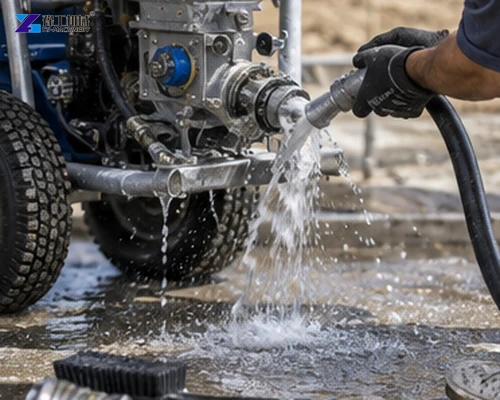
Cleaning is a production requirement, not an afterthought. Stucco that remains in a hopper, hose or nozzle can harden and delay the next shift. Ask for the recommended cleaning sequence, inspection points, consumables and storage practice. Then estimate the labor and water access needed after every work period. A clear routine makes the stucco sprayer machine easier to keep available.
Compare related plastering equipment by task
Keep the product search tied to the material and finish. Review the mortar sprayer machine range when your project centers on mortar delivery and wall application. If the formulation is gypsum-based, the gypsum plaster machine overview can frame a more relevant equipment conversation. For a broader wall-plastering workflow, review the automatic wall plaster machine page.
These related pages are starting points, not substitutes for a project review. Ask the supplier to map your material, finish, work area and crew method to the proposed machine. Keep any unconfirmed option outside the final purchase scope until its inclusion, compatibility and acceptance method are documented.
Attach your mix information, wall finish target and site route so the proposed whole-machine package can be reviewed against evidence.
Make the trial prove repeatable application
A practical trial should use the intended material, a representative substrate and the operator method planned for the job. Record loading, mixing, feeding, hose behavior, nozzle control, surface appearance and cleanup. Inspect more than one section of wall so the buyer can see whether the result stays consistent as the material level, route or operator rhythm changes.
Write down the conditions beside photos or retained samples. Include what was adjusted, which defects appeared, how much rework was needed and which questions remain unresolved. A trial is useful when it defines acceptance, not when it produces an attractive isolated patch. The final quotation should reference the agreed trial conditions without presenting them as universal performance guarantees.
Ask for a project-specific quotation and trial checklist covering material compatibility, application control, site handling and cleaning.

FAQ for a stucco sprayer machine purchase
Send the material name and mix description, substrate, coat or texture, estimated work area, daily schedule, longest delivery route, available utilities and photos of the site. A sample or product data sheet is useful when the material is unfamiliar.
Do not assume that. Aggregate, moisture, preparation and formulation can change feeding and delivery behavior. Have the supplier review your actual material or a representative sample before committing to a configuration.
No. Practical productivity also depends on loading, hose movement, surface preparation, crew coordination, finishing speed and cleaning. Choose a configuration that supports the accepted wall result and jobsite rhythm.
Record the material, substrate, settings or adjustments, operator method, hose route, surface appearance, defects, rework and cleaning result. Use several sections rather than relying on one demonstration patch.
Confirm the cleaning sequence, inspection points, water access, consumables and storage method with the supplier. Assign responsibility at the end of each shift so material does not harden in the delivery path.
Start with the page that matches your material and task: mortar spraying for mortar delivery, gypsum plastering for gypsum-based work, or automatic wall plastering for a broader wall-application workflow.
The purchase is ready for the next quotation step when the material, wall result, site route, crew method, utilities, cleaning plan and trial evidence are written down. That evidence helps YG discuss a complete stucco sprayer machine package without turning assumptions into promises.