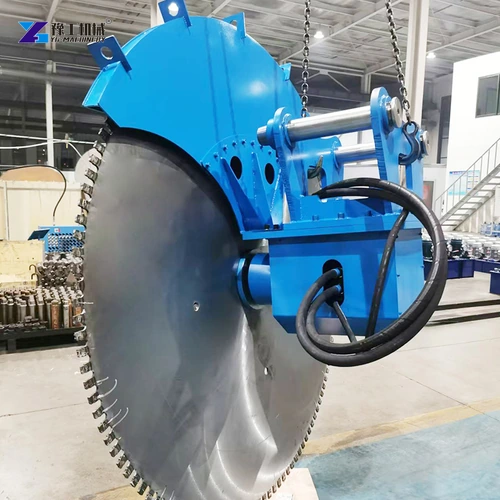
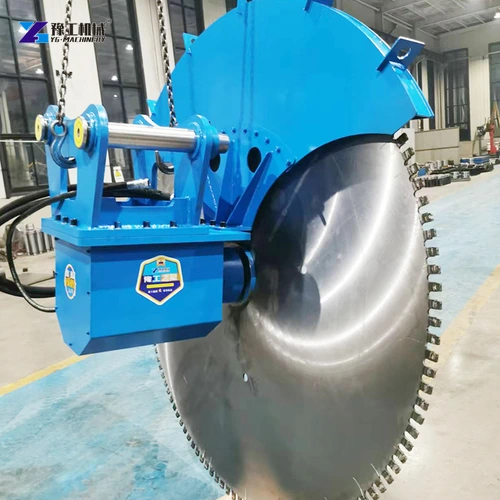
An excavator rock saw is suited to work that needs a defined cut line or trench profile. It uses a rotating disc to form a kerf; a hydraulic breaker fractures material by impact. Choose the saw when the cut geometry matters, then check that the disc, excavator and work area can produce it.
Before comparing attachments, define the material, required cut depth and width, approach direction, excavator model, hydraulic circuit and what must happen to the separated section. These details determine disc size, carrier class, hose package and the practical cutting sequence.
How Does a Rock Saw Attachment for an Excavator Make a Cut?
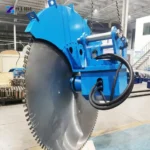
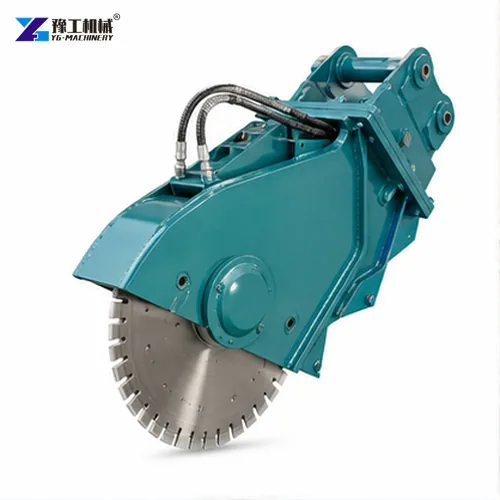
A hydraulic motor turns the saw disc, and the excavator positions that rotating disc along a marked line to form a kerf. Before starting, identify the material and intended cut path, then check that the disc and guard can approach at the required angle without the boom or attachment striking nearby surfaces. A saw follows a defined line; a breaker applies impact over an area, so the two tools solve different removal problems.
Plan what happens after the kerf is made. Determine whether the separated slab or rock section can move, needs temporary support, or must be broken into smaller pieces for removal. Check for embedded reinforcement and buried services before cutting, and keep the material’s likely movement path clear. These steps help choose the saw for the finished geometry as well as the first cut.
Send the material and desired cut profile for a saw configuration check.
CHECK THE CUTTING SETUPWhich Excavator Rock Saw Disc Size and Cutting Depth Fit the Job?
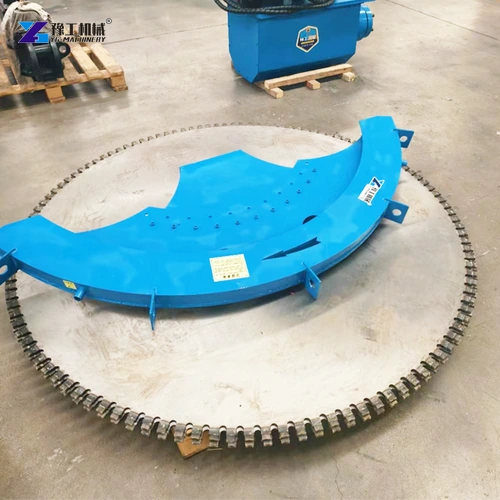
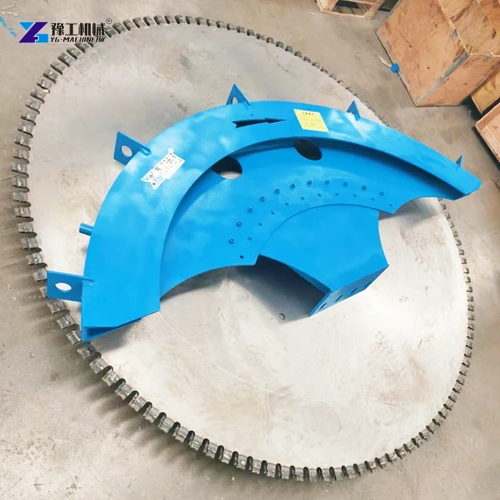
Write down the required cut depth and width first, then compare those requirements with the diameter, listed depth and excavator range in one YG-CF model column. Disc diameter and cutting depth are separate specifications: a larger disc does not let you combine one model’s depth with another model’s hydraulic flow. Also allow for the approach angle and clearance needed to keep the disc aligned through the material.
Use the table to shortlist a model, then verify the material, required kerf and cut path with the supplier before ordering. The listed maximum depth is a product limit, not a guarantee that every material or excavator position will achieve that depth in one pass. The YG excavator rock saw range shows the same named models and their specifications.
The four columns retain the official YG-CF1 through YG-CF4 model codes and their published carrier, disc and hydraulic specifications. Read each column as one attachment configuration; do not transfer a disc size, depth or flow value from one model to another.
| Parameter | YG-CF1 | YG-CF2 | YG-CF3 | YG-CF4 |
|---|---|---|---|---|
| Suitable for excavators | 2~4T | 6~9T | 10~18T | 20~30T |
| Saw Disc Diameter | 0.4~0.8M | 1.2~1.6M | 1.8~2.2M | 2~2.8M |
| Cutting width | 5mm | 9mm | 14mm | 20mm |
| Cutting depth | ≤400mm | ≤800mm | ≤1100mm | ≤1400mm |
| Pressure | 30Mpa | 30Mpa | 30Mpa | 30Mpa |
| Flow | 30L/min | 80L/min | 120L/min | 190L/min |
Share the cut drawing and material description to check the disc choice.
REVIEW DISC SELECTIONHow to Match an Excavator Rock Saw to Hydraulics and Mounting?
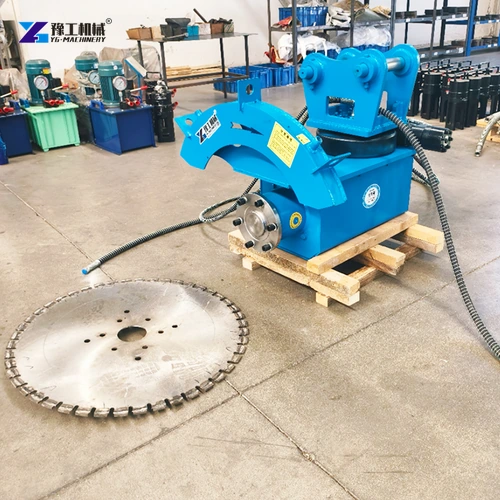
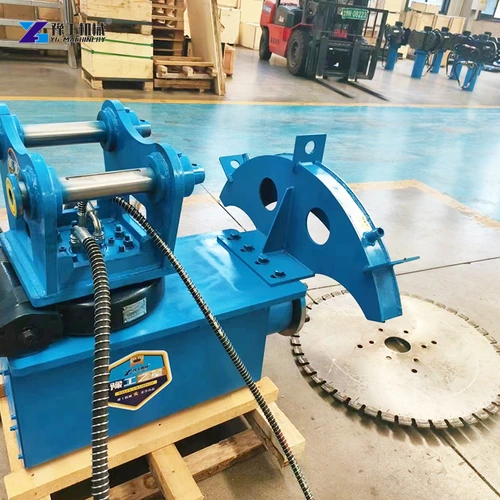
Take the excavator’s auxiliary-circuit readings from its specifications: available flow, working pressure and return-line limits. Compare them with the selected YG-CF model’s flow and pressure rows, then confirm hose size and connection type with the supplier. Next measure the mounting pins or coupler and bracket width. A mechanical fit alone is not enough if the carrier cannot provide the listed hydraulic supply or safely handle the attachment at the working reach.
Finally check the attachment mass and boom position for the planned cut, because reach and load affect how steadily the disc can be presented. Send the excavator model, hydraulic data, mounting measurements and a photograph of the cut location with the inquiry. For a trench-cutting example and product-family comparison, see the excavator rock saw trench-cutting guide and the rock saw attachment range.
Send excavator hydraulic readings and coupler details for a fit review.
CHECK EXCAVATOR COMPATIBILITYWhat Affects a Safe Excavator Rock Saw Cutting Sequence?
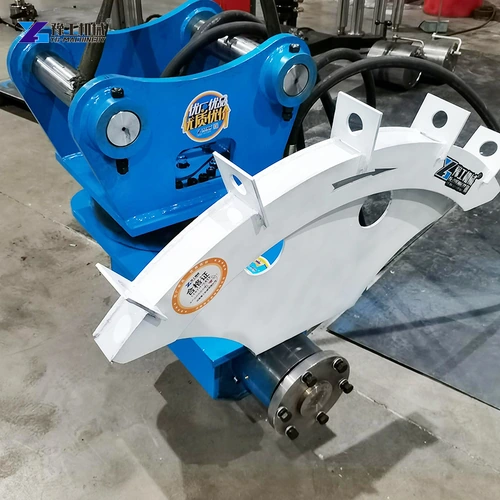
Before the first cut, mark the line, establish an exclusion area around the disc and identify the movement path of the section being separated. Confirm that the guard, hoses and mounting are secure and that the excavator can hold the attachment on the intended line. If reinforcement, a utility or an unstable section is found, pause and revise the sequence before continuing.
Start with a controlled cut in representative material and observe whether the blade tracks straight, the carrier remains stable and the cut piece stays supported. Avoid forcing a binding disc or allowing the separated piece to pinch the blade. Plan the removal equipment and drop zone before completing the cut; this keeps the saw operation connected to the next handling step rather than leaving a loose section in the work area.
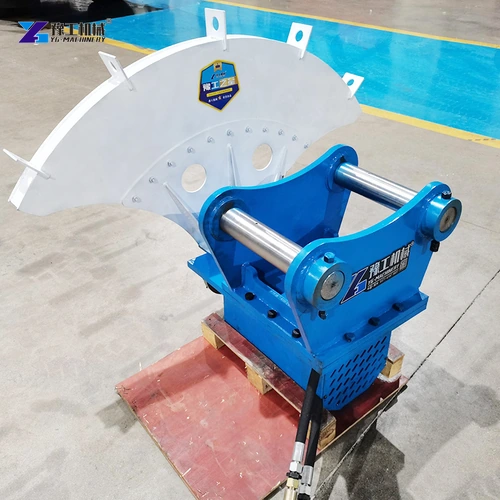
Send the cut drawing, material and carrier details for a project review.
REQUEST A ROCK SAW REVIEWExcavator Rock Saw Attachment FAQs
No. A rock saw uses a rotating disc to make a defined kerf; a hydraulic breaker uses impact to fracture material over a broader area.
The listed maximum depth varies by configuration. Check the selected disc specification and assess the material, approach and excavator position for the actual cut.
No. The listed depth is a separate specification. Material, cutting path, access and carrier position also determine whether the planned cut is practical.
Compare the excavator’s auxiliary flow, pressure and return limits with the selected saw configuration, then verify hose and coupler compatibility.
Provide excavator hydraulic data and coupler dimensions, material type, required cut depth and width, access photos and the plan for handling the separated material.
Choose the rock saw around the cut you need to make, then verify that the disc, hydraulics, mounting and excavator position all support that cut.