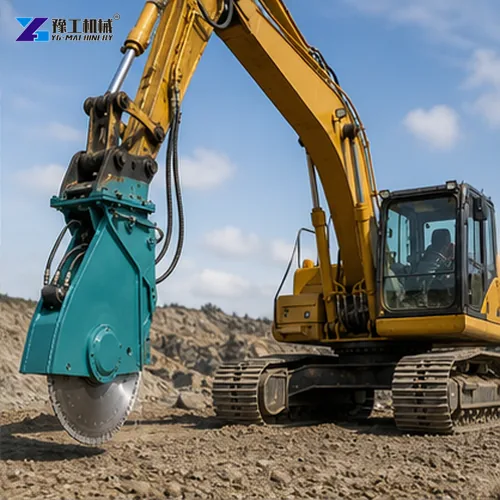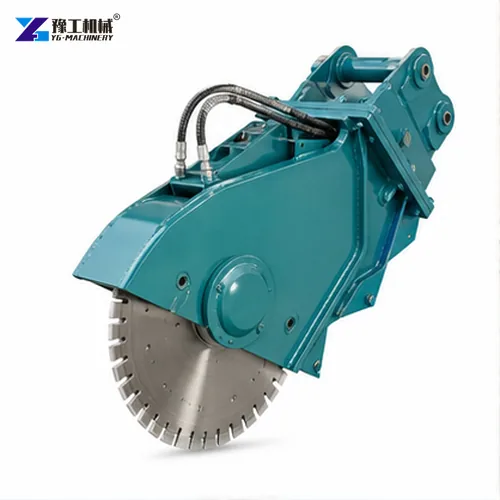
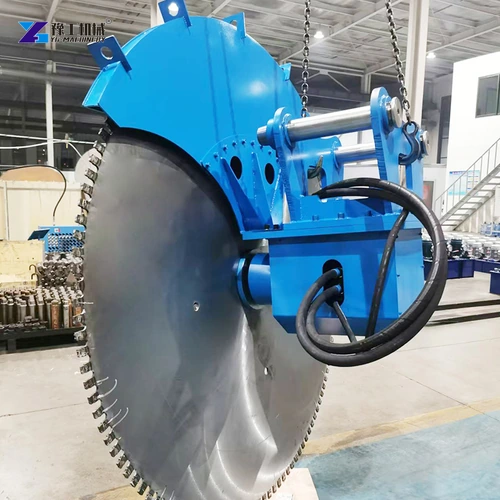
An excavator rock saw price should be compared against the cut the project actually requires. A utility or foundation trench may need a defined width and depth, limited overbreak and controlled work near existing structures. The saw disc, carrier hydraulics, mounting connection and blade package all affect the proposed attachment. Two offers with different discs, hoses or brackets are not the same working package.
YG supplies excavator rock saw attachments in several carrier classes. To prepare a useful quotation, send the excavator information and the trench drawing together. The machine can then be matched to the intended cut instead of selected by a headline attachment price alone.
Review the YG excavator rock saw and excavator drum cutter for product context and related preparation.
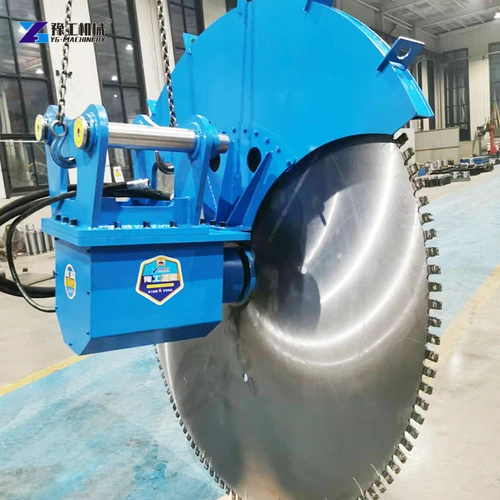
Define the Cut Before Comparing Rock Saw Prices
Mark the intended trench route, width, depth and length on the drawing. Note changes of direction, clearance around services and whether the cut will be vertical, horizontal or at another angle. A rotating disc forms a kerf; it does not remove every piece of material between two lines by itself. The work plan must account for spoil removal and any secondary breaking or excavation needed to open the full trench.
Identify the material from representative samples or site observations. Hardness, abrasiveness, reinforcement and changing strata all affect disc choice and wear. A product image cannot confirm that the supplied disc suits your rock or concrete. Match the disc type and diameter to the actual material, and include a representative surface photo when requesting a quotation.
Set the acceptance criteria for edge condition, permitted overbreak and vibration-sensitive boundaries. A saw may be chosen for a controlled line where a breaker is less suitable, but a project that only needs rapid bulk fracture may require a different attachment. The finished excavation task determines the tool.
Send the planned cut depth, trench width and rock conditions for a saw match.
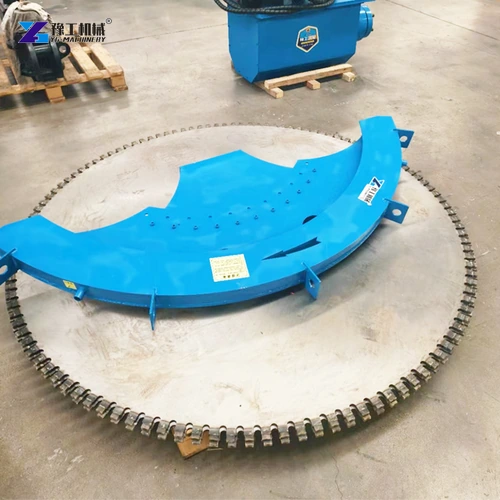
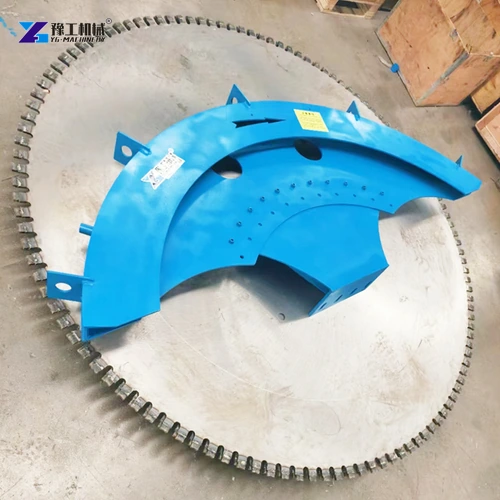
Match the Saw to the Excavator Hydraulic Circuit
Record the carrier make and model, operating weight, auxiliary hydraulic flow and pressure at the attachment circuit, return-line arrangement, pin or coupler dimensions, and available lifting capacity at the working radius. The saw must be suitable for the carrier and the intended working position. Engine size alone does not establish hydraulic compatibility.
A hydraulic excavator rock saw uses carrier oil flow to drive a circular disc and cut a defined kerf. Start with the excavator class, disc diameter, cutting width, listed depth, pressure and flow in one model row; then check those limits against the rock, trench dimensions and planned passes. The listed depth is a model figure, not a promise for every material or site.
Treat the listed cutting depth as a configuration limit, not a promise of a one-pass cut. Rock integrity, reinforcement, disc selection, excavator position and the number of passes affect the result; test a representative section if the material or trench geometry changes.
| Parameter | YG-CF1 | YG-CF2 | YG-CF3 | YG-CF4 |
| Excavator class | 2–4 t | 6–9 t | 10–18 t | 20–30 t |
| Saw disc diameter | 0.4–0.8 m | 1.2–1.6 m | 1.8–2.2 m | 2–2.8 m |
| Cutting width | 5 mm | 9 mm | 14 mm | 20 mm |
| Listed cutting depth | ≤400 mm | ≤800 mm | ≤1100 mm | ≤1400 mm |
| Pressure | 30 MPa | 30 MPa | 30 MPa | 30 MPa |
| Flow | 30 L/min | 80 L/min | 120 L/min | 190 L/min |
Share excavator weight, oil flow and pressure to screen the attachment size.
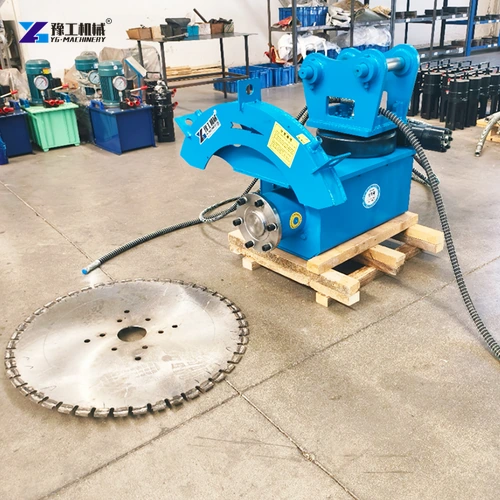
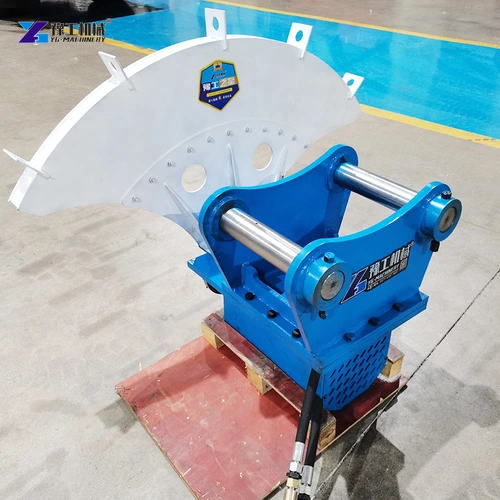
Itemize the Attachment, Disc and Mounting Package
Ask for the saw body, specified disc, guard, mounting bracket, pins or coupler, hoses, fittings, tools, documents, test scope and packing to be listed. Confirm which disc is supplied and whether a spare is included. Disc type and wear plan can change the cost of a trench-cutting project even when two attachment shells appear similar.
Mounting is carrier-specific. Send measured dimensions or the carrier details needed to make the bracket. Specify how the hose route will be protected during rotation and full arm movement. A missing bracket or incorrect fitting can delay a project even when the saw body arrives on time.
Request freight and delivery terms separately from the equipment subtotal. The destination, packed dimensions, unloading method and import arrangements determine the delivered cost. Ask for the selected saw, disc, guard, carrier bracket, hoses and freight to be itemized so you can compare offers covering the same equipment and delivery scope.
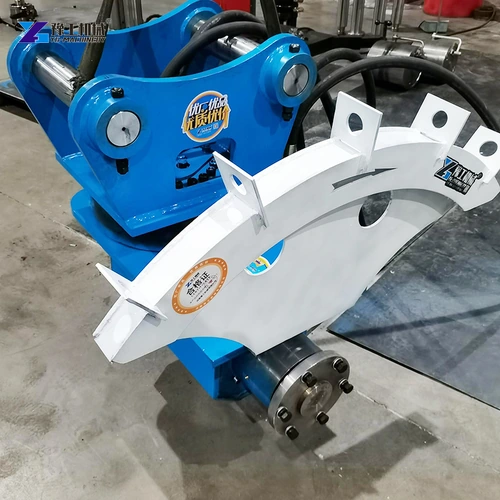
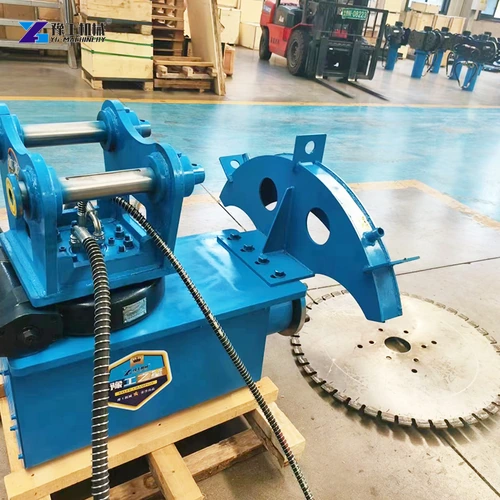
Plan Safe Cutting and a Representative Trial
Prepare the work zone before the first cut. Locate utilities, define exclusion zones and agree on the excavator’s stance and swing path. Keep personnel outside the disc and debris area. Confirm the manufacturer’s operating procedure for the supplied disc and any cooling or dust-control arrangement required by the material and local site rules.
Make a controlled trial cut on representative material where the project permits it. Check line accuracy, disc behavior, spoil and the condition of the finished edge. Record the carrier settings and inspect connections and the disc before continuing. A trial supplies better job-specific evidence than an unsupported promise about meters cut per hour.
The cutting sequence should include how detached material will be cleared and how the excavation will be finished to the design profile. A saw and an excavator bucket, breaker or other tool may have different roles in the same job. Price the whole sequence rather than assuming the disc alone completes the trench.
Choose the attachment around the cut you need: an excavator rock saw forms a defined kerf, while an excavator drum cutter mills material across its cutting head. Compare the required trench profile, carrier hydraulics and material before choosing; include the excavator model, drawing and destination when requesting a configuration.
Confirm the disc, mounting and hose package before comparing prices.
Excavator Rock Saw Price FAQs
No. Tonnage is an initial filter. Hydraulic flow and pressure, mounting dimensions, working radius, disc diameter and the material must also fit the chosen configuration.
Do not assume so. Ask the supplier to identify the supplied disc, guard, bracket, hoses and spare parts in the quotation.
No. It is a model specification. Actual pass depth and method depend on material, access, disc selection and carrier stability; confirm them for the project.
To check a rock saw package, include the excavator model, hydraulic flow and pressure, trench width and depth, rock type, required disc and destination in your enquiry.