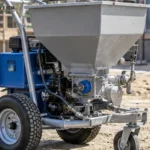
Long-distance site conveying is not solved by choosing a pump with the biggest headline. A commercial mortar pump machine purchase should begin with the route, material, receiving point and daily work pattern. When mortar must travel from a mixing area to a distant floor, elevation or restricted work zone, the buyer needs evidence that the complete delivery arrangement can be operated, cleaned and checked. This guide turns that evidence into a practical request for quotation.
Before asking for a price, map the actual job: horizontal distance, vertical rise, bends, hose access, working levels, batch timing, mortar recipe and finishing method. Note whether the receiving team will plaster continuously or move between rooms. These details let a supplier discuss a suitable mortar pump machine around real conveying conditions instead of repeating a generic capacity claim. A mortar pump machine should be evaluated as part of that route, not as an isolated product label.
Share the route sketch, mortar type, elevation and receiving point so the first equipment discussion is based on your site evidence.
Define the delivery route before comparing machines
Measure the route as the hose will actually run, not as a straight line on a plan. Include vertical sections, tight bends, temporary supports, access through doors and the final distance to the nozzle or placing point. Every change in direction adds handling and can influence how easily the team keeps material moving. A route sketch with marked levels is more useful to a supplier than the phrase long-distance pumping alone.
Also identify where the machine will stand. The mixing point, pump position and delivery point may be on different levels or separated by vehicle paths. Confirm how operators will protect hoses from traffic, sharp edges and unnecessary bends. This is a purchase decision because a workable layout can reduce interruptions even when the selected machine is not the largest available.
Match mortar behavior to the conveying duty
Mortar is not one universal material. Cement mortar, premixed plaster, fine render and gypsum-based mixes can differ in aggregate, fiber, water demand, setting behavior and sensitivity to waiting time. Give the supplier the product name, ingredient or manufacturer guidance, aggregate information, mixing method and the time between mixing and delivery. If the recipe can change, describe the normal range instead of sending one ideal sample.
Material evidence should include how the mortar is prepared before the pump. A machine may receive a consistent batch from a mixer, or the crew may load material manually at intervals. These are different operating conditions. Ask which material limits and cleaning practices must be followed for the proposed arrangement, and keep any final compatibility statement in the quotation file. This evidence helps decide whether the mortar pump machine belongs in the intended commercial workflow.
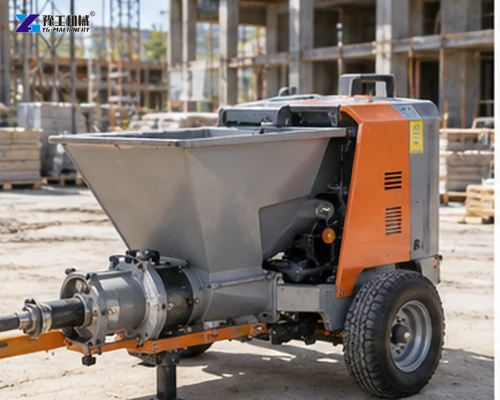
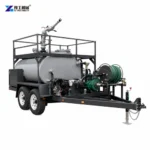
Mortar Pump Machine working component detail.
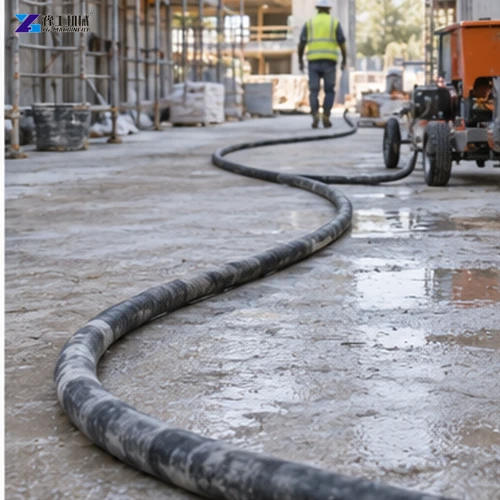
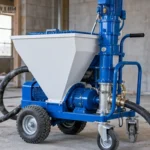
Mortar Pump Machine material or load input.
Select hose, bends and end-point control as a system
The hose package is part of conveying performance. Ask the supplier to review the proposed hose path, connection method, bend locations, support plan and end-point tool. The team should know who controls the nozzle, who watches the pump and how they communicate when the receiving area must stop. A long route with poor coordination can create pressure changes, waiting time and avoidable cleaning work.
Do not select accessories only by a low purchase price. Confirm that the offered connections, clamps, seals and wear items belong to the proposed configuration and that replacements can be identified later. If the delivery end will feed a sprayer or plastering tool, state that use clearly. The pump and finishing equipment should be reviewed together, while any component not included should be marked as an open quotation item.
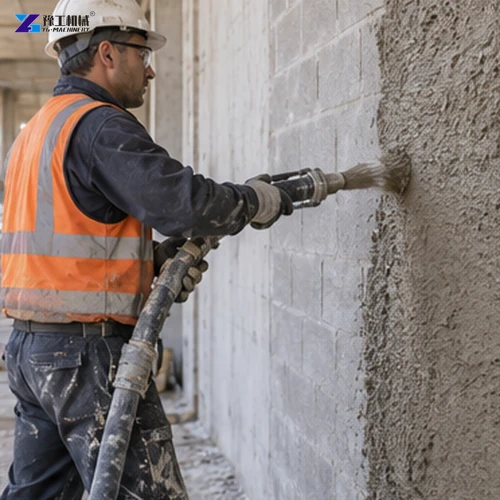
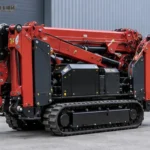
Mortar Pump Machine jobsite operation.
Send the route length, bends, connections and end-point tool list so the proposed conveying package can be reviewed as one working system.
Use a buyer decision table without guessing specifications
The following table is a purchasing framework, not a list of unverified YG specifications. Use it to organize the evidence that should be confirmed for the actual quotation. The right mortar pump machine is the one whose complete configuration fits the route, material and work pattern that the buyer can document.
Decision area
Evidence to provide
Question to confirm before purchase
Route
Horizontal run, elevation, bends and access points
Does the proposed layout cover the full path and support method?
Material
Mortar type, aggregate, recipe and working time
Has compatibility been reviewed for the actual mix?
Hose package
Length, connections, clamps, supports and wear items
Which items are included, replaceable and excluded?
Work pattern
Batch rhythm, shifts, stops and receiving crew
How will starting, stopping and cleaning be managed?
Acceptance
Delivery point, finish method and observable checks
What result must be demonstrated before release?
Ask the supplier to return this information with clear assumptions. If a value depends on the material, hose arrangement or site conditions, it should be labeled for confirmation rather than presented as a universal result. This keeps the commercial comparison fair and prevents an attractive machine price from hiding missing accessories or site work.
Plan operator control for distant receiving points
Long-distance work adds communication and response-time problems. Assign responsibility for feeding, pump control, hose observation and nozzle handling before the first production shift. Define how the crew reports a blockage, material change, empty feed or unexpected stop. Simple signals, a safe stop procedure and an agreed restart sequence are practical buyer requirements, not afterthoughts.
Training should cover inspection before use, connection checks, material preparation, controlled starting, pressure or flow observation where applicable, and cleaning after the run. Ask for an operating and maintenance explanation that matches the delivered configuration. A machine that is technically suitable but poorly understood can still produce an unreliable site result.
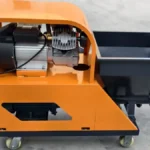
Mortar Pump Machine control and inspection.
Make cleaning and blockage recovery part of the quote
Mortar begins to change as it waits, so cleaning cannot be left to the end of a vague workday. Put shutdown triggers, flushing or cleaning responsibility, access points and waste handling into the operating discussion. Ask what the crew should do when work stops unexpectedly and which parts require inspection before restarting. The exact method must follow the selected machine and material; this article does not invent a universal procedure.
Turn site evidence into a commercial quotation brief
A useful request for quotation should contain the project location, route sketch, mortar information, expected working pattern, delivery point, available utilities, preferred purchase timing and any local handling limits. Add photos of access, the mixing area and the receiving zone. State whether you need a complete package or only the pump body, and ask the supplier to separate included equipment, optional items and buyer-supplied site work.
Request a written list of assumptions, consumables, spare parts, commissioning support, operator instruction and acceptance checks. Do not ask for invented certifications, test results or project cases. Ask for the documents that genuinely support your decision: configuration drawings where applicable, material compatibility review, itemized scope and a practical delivery schedule. This is the evidence needed to compare commercial offers responsibly.
Attach your material brief, site route and acceptance checks so YG can identify the working configuration and any items still needing confirmation.
Mortar Pump Machine finished work result.Mortar Pump Machine purchase planning.
FAQ for a long-distance mortar pump purchase
What information should I send when requesting a mortar pump machine?
Send the mortar type and recipe guidance, route length, elevation, bends, delivery point, work pattern, photos and the intended finishing method. This gives the supplier enough context to review a real configuration.
Can any mortar pump machine convey material over a long route?
Do not assume that. Material behavior, route geometry, hose arrangement, elevation and operating method all matter. Ask for compatibility and route review against your actual conditions.
Should hose length be chosen before the pump?
Review them together. Hose length, bends, connections and the receiving tool form part of the conveying system, and missing accessories can change the practical purchase scope.
How do I compare offers with different included items?
Normalize each quotation into machine, hose package, connections, controls, wear parts, training, commissioning and buyer-supplied site work. Mark assumptions and exclusions before comparing prices.
What should a site acceptance check observe?
Use the agreed mortar, route and delivery point. Observe stable feeding, delivery to the receiving area, communication during stops, finish-tool response and the documented cleaning or handover process.
Is a larger pump automatically better for distant conveying?
No. A larger option may be disproportionate to the material, route, crew or utility plan. Select from verified project evidence and the complete configuration, not from size alone.
The purchase is ready for the next discussion when the route, material, hose package, operator plan, cleaning method and acceptance checks are written down. Use that evidence to ask YG for a configuration-specific quotation, then keep every assumption visible through delivery and commissioning.