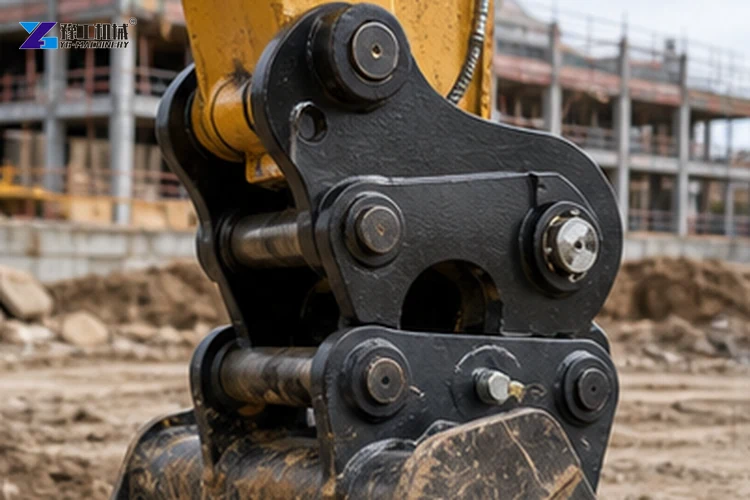
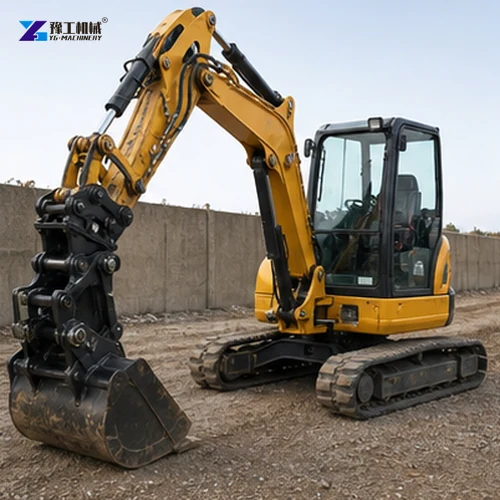
An excavator quick coupler can shorten attachment changes, but the purchase decision should begin with compatibility and retention—not changeover speed. The coupler sits between the excavator linkage and every bucket or tool it carries. Pin diameter, pin centers, ear width, coupler geometry, attachment weight and hydraulic controls all affect whether the system connects and works through the full digging or handling cycle.
This guide helps buyers decide which measurements to collect, how mechanical and hydraulic systems differ, what a double-lock arrangement contributes and which commissioning checks should be completed before the first production shift. It is intended for contractors building a mixed attachment fleet rather than buyers looking for a coupler by excavator model name alone.
Which Measurements Decide Whether An Excavator Quick Coupler Fits?
Measure the front and rear pin diameters, the center-to-center distance between pins and the clear width between attachment ears. Use clean, unworn areas and record the units. Photographs should show where each measurement was taken. If the excavator uses an existing quick hitch, provide its make, interface and any identification plate instead of assuming the original linkage dimensions still apply.
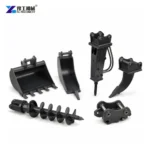
The attachment fleet must be measured as well. Buckets purchased from different suppliers can have different pin centers or widths even when used on the same carrier class. Create a table for every tool the coupler must collect. A supplier can then identify the usable pickup range, necessary brackets and any attachment that should remain excluded rather than averaging incompatible dimensions.
| Measurement | Where To Check | Why It Matters |
| Pin diameter | Both attachment pins | Hook and lock fit |
| Pin centers | Center of one pin to the other | Pickup geometry |
| Inside ear width | Between attachment ears | Side clearance |
| Coupler height | Installed connection | Curl geometry and breakout effect |
| Attachment weight | Plate or verified data | Carrier load and stability |
| Hydraulic circuit | Carrier auxiliary specification | Lock operation and hose selection |
Mechanical Or Hydraulic Quick Coupler: Which Is Suitable?
A mechanical coupler normally requires the operator to leave the cab and secure or release the mechanism using the prescribed tool. It can suit fleets with infrequent changes and simple hydraulic requirements. The operating procedure must still confirm positive retention and include a test after every connection. A mechanical system is not automatically safer merely because it has fewer hydraulic components.
A hydraulic quick coupler allows the locking mechanism to be operated from the carrier, which can reduce manual pin handling and support frequent changes. It requires a compatible circuit, protected hoses, controls and an unambiguous locking check. Buyers should compare the full installed package, including valves, indicators and secondary retention, rather than comparing only coupler bodies.
Send YG the carrier linkage and attachment list if you need help comparing the two operating methods.
What Does A Double-Lock Coupler Change?
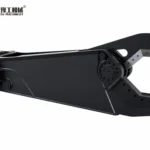
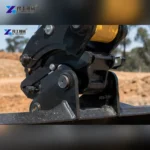
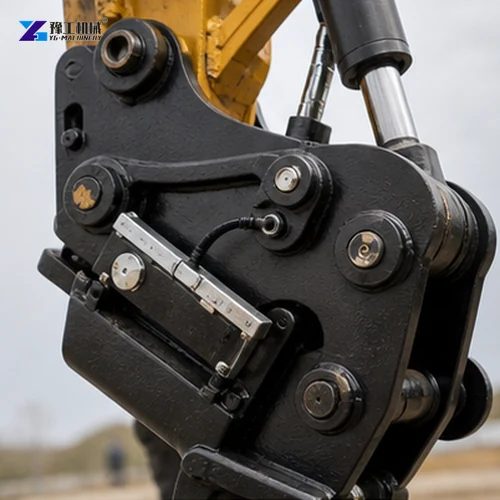
A double-lock design adds a second retention function so the attachment is not dependent on one locking action alone. The exact mechanical arrangement should be explained in the supplier documentation. Buyers should ask what happens if hydraulic pressure is lost, how the secondary lock engages and how the operator verifies both retention points from the cab and at ground level.
Secondary retention does not justify skipping the change procedure. The attachment should rest on stable ground, both pin interfaces must seat correctly and the operator must complete the specified curl or retention test. Dirt, worn pins or approaching the attachment at the wrong angle can prevent full engagement even when the control has been activated.
Need help matching the configuration to your project? Send the working conditions and YG can review the practical equipment scope for Excavator Quick Coupler.
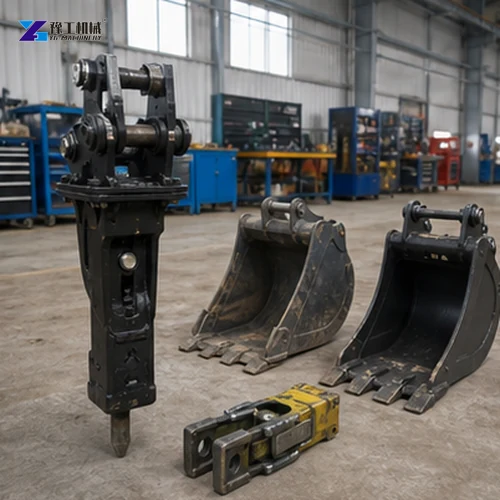
How Does Coupler Geometry Affect Excavator Performance?
Adding a coupler changes the distance between the linkage and attachment. That geometry can reduce breakout force at the cutting edge, alter bucket rotation and create new clearance points. The effect depends on coupler height and design. Buyers should confirm that the selected bucket can curl and dump through the required range without contacting the arm or linkage.
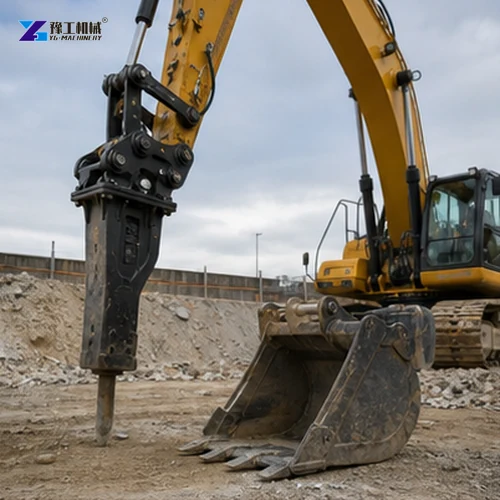
Attachment mass is added to the working load. For lifting, grappling or long-reach work, check the excavator load chart with the coupler and attachment included. A combination that is acceptable close to the machine may exceed limits at full reach. The supplier needs the planned mounting position and working radius, not only the base excavator tonnage.
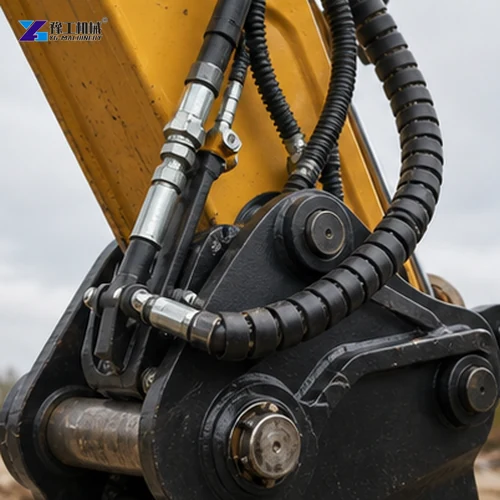
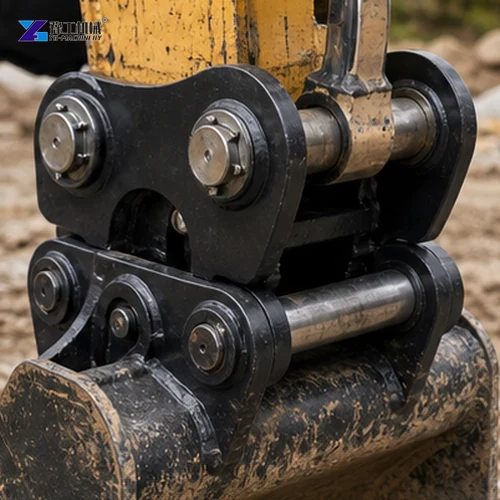
Which Installation And Daily Checks Are Essential?
Commissioning begins with bracket fit, pins, bushes, hoses, fittings, controls and lock movement. Each approved attachment is connected on level ground and moved slowly through its working range. The installer checks engagement, side clearance, hose movement and interference, then records which tools passed. Attachments outside the approved dimensional range should be labelled and kept out of service.
Before every shift, inspect hooks, lock surfaces, pins, bushes, retainers, hoses and indicators. Clean packed material that could hide incomplete engagement. After every change, perform the manufacturer’s test before lifting or applying digging force. Periodic inspection should record wear because increasing clearance can change how securely the coupler holds an attachment.
See the real YG Australian double-lock quick coupler case and the mini digger attachments guide for related fleet-planning considerations.
Excavator Quick Coupler FAQ
The model is a starting point. Direct linkage measurements, coupler interface, attachment dimensions and working method still require verification.
Only if each bucket falls within the approved pin diameter, pin-center and width ranges and clears the linkage throughout operation.
It suits frequent changes but needs compatible hydraulics, controls, hoses and inspection. The best method depends on fleet use and site procedure.
It changes attachment geometry, curl range, breakout force and possible interference points.
Send excavator model, linkage dimensions, attachment table, hydraulic information, working radius, destination and preferred locking method.
Need help matching the configuration to your project? Send the working conditions and YG can review the practical equipment scope for Excavator Quick Coupler.
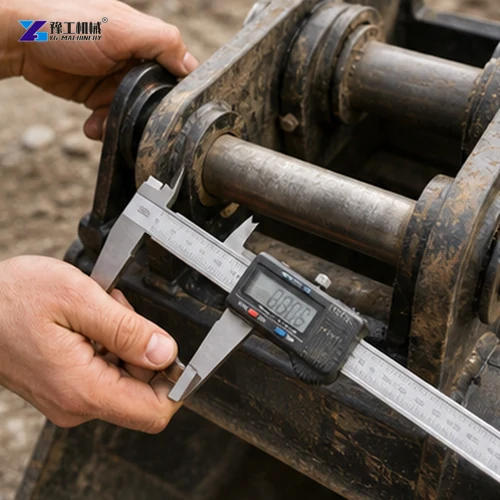
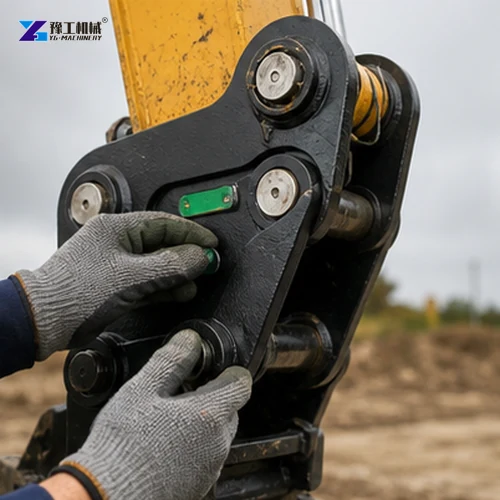
Build The Quote Around The Complete Attachment Fleet
Prepare one measurement sheet covering the excavator and every attachment. Add photographs, carrier hydraulic data, expected change frequency and the tasks performed at maximum reach. YG can use this package to confirm coupler type, pickup range, installation components and exclusions. A clear compatibility list is more valuable than a quotation that simply states that the coupler suits a general tonnage class.
For the next attachment decision, review the YG concrete breaker attachment to confirm how the carrier can change tools safely and efficiently.