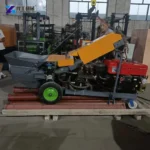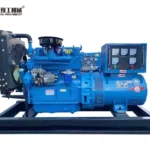
An electric concrete pump can suit a small placement where a compatible power supply is available and the concrete matches the pumping system. Its practical value depends on more than replacing a diesel engine with a motor. The site must support the electrical installation, deliver suitable material to the hopper and keep the placing crew supplied without repeated interruptions.
For YG’s compact YG-10 configuration, fine aggregate and a short, planned delivery task are central to the assessment. Start by identifying the concrete and the site connection. This keeps a small electrically powered machine from being compared with a large trailer pump, a mixer-pump combination or a mortar sprayer that performs a different task.
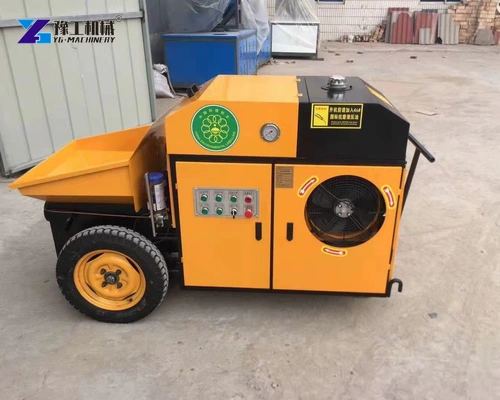
Check The Site Supply Before Ordering An Electric Pump
The motor power is one equipment parameter, not a complete electrical connection specification. Voltage, frequency, phase, starting arrangement, protective devices and the available current must suit the actual supplied machine. A qualified electrical installer should assess the connection and any distribution equipment; a nearby socket is not proof that the pump can operate from it.
Cable routing also belongs in the site plan. Position connections away from uncontrolled traffic, material discharge and wash water, using the protection required for the installation. A longer cable route can introduce additional design considerations. Do not choose an extension lead merely because its plug fits, or treat a generic cable-size recommendation as appropriate for every project.
If the site supply is temporary, establish who provides the connection and who verifies it before equipment arrives. For an electric concrete pump, uncertainty about the supply can delay the placement even when the machine and concrete are otherwise suitable. Keep this electrical scope explicit in the proposal rather than leaving it as an assumed site facility.
Provide the available electrical connection and installation conditions to discuss a compatible configuration.


Fine-Aggregate Concrete Must Match The Pumping Configuration
The YG-10 configuration is intended for its specified aggregate range. A site using larger stone cannot establish suitability by describing its material simply as concrete. Identify the mix, aggregate grading and expected delivery condition, then compare them with the pump and pipeline arrangement. Pipe diameter alone does not determine what aggregate the complete machine can handle.
Concrete also needs to arrive at the hopper in a consistent condition suitable for pumping. Segregated material, contamination or an unsuitable mix can interrupt delivery. The pump moves prepared concrete; it does not correct the mix proportions or replace a concrete mixer. Keep the upstream supply method separate from the pump’s conveying function.
An electric concrete pump should be selected for the actual placements being planned. Small bases, local concrete work and constrained-access pouring can create a useful role for a compact machine when the mix and delivery route fit. They do not justify assuming that every structural mix or every aggregate used on a larger project is compatible.
Share the mix and aggregate grading before selecting the pump and delivery system.
YG-10 Electric Concrete Pump Specifications
The following values belong to the YG-10 configuration. Compare this column as a complete electric-pump configuration rather than borrowing figures from larger machines.
| Parameter | YG-10 |
| Motor power | 15 kW |
| Work efficiency | 6 m³/h |
| Maximum pressure | 15 MPa |
| Working pressure | 10 MPa |
| Aggregate size | 0.5–1.5 cm |
| Vertical conveying distance | 20 m |
| Horizontal conveying distance | 50 m |
| Conveying pipe diameter | 80 mm |
| Machine weight | 600 kg |
| Dimensions | 1800 × 700 × 1100 mm |
Do not read the two conveying-distance figures as a guarantee that the machine can achieve both limits on the same mixed route. Elevation changes, bends, hose arrangement and the concrete affect the delivery task. Likewise, the output entry does not promise the completed placement rate after loading pauses, repositioning and finishing work are included.
The mini concrete pump machine guide explains the wider compact-pumping workflow. Use the YG-10 table above to keep an electric concrete pump enquiry tied to one configuration rather than borrowing a larger model’s capacity.


Position The Electric Concrete Pump Around The Whole Pour
Choose a position that supports material delivery to the hopper, the planned pipe route and access to the controls. A location close to the pour is not useful if supply vehicles or the mixing arrangement cannot reach it. Equally, easy loading does not solve an unnecessarily difficult route to the placing point.
Plan a supported delivery line without avoidable turns, and retain access for the crew to inspect the route. The final arrangement and operating limits should follow the supplied equipment’s instructions. A restricted-access job can benefit from pumping material to the work area, but the hose, connections and people handling them still need a practical route.
Consider how the placing end moves as the work advances. Repositioning should fit the sequence of the pour rather than becoming an improvised interruption. An electric concrete pump remains connected to its supply and delivery system during work; describing the machine as compact does not make those connections disappear from the setup plan.
Send the hopper supply point, line route and placing access to review the complete delivery arrangement.
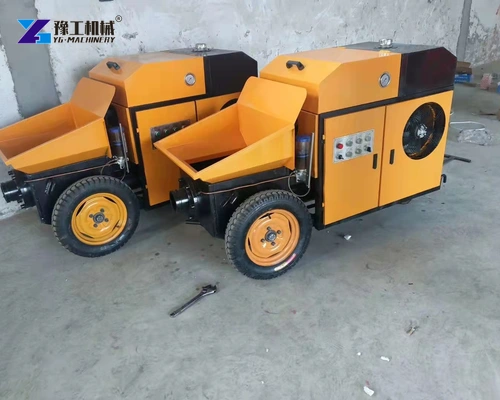
Match Material Supply And Crew Rhythm To The Pump
A pump can only deliver what reaches its hopper in a suitable condition. If material supply is intermittent, the machine’s output figure will not translate into continuous placement. If the receiving crew cannot handle the delivery rhythm, increasing nominal pump capacity will not remove that constraint. Plan the loading, pumping and placing stages together.
Discuss expected batch size and intervals with the team supplying concrete. The operator needs a controlled feed and a way to coordinate with the placing end. Pauses, restarting and any interruption to the supply must be managed through the equipment’s prescribed procedures rather than by guessing how long material can remain in the system.
When evaluating an electric concrete pump, compare the complete task with the proposed working day: setup, supply, placement, planned movement and cleaning. Avoid converting the output figure into a daily volume by multiplying it by an assumed uninterrupted shift. A useful schedule accounts for the work surrounding the pumping stage.
For a small base supplied by separate mixer batches, the critical link is the interval between batches: the pump cannot create continuity when its hopper is waiting for concrete. For a placement reached through a restricted passage, the receiving crew and line route may instead control progress. Assess those two jobs differently even if their total concrete volume is similar. The practical benefit comes from matching supply and placement, not from selecting the highest output entry.
Leave A Safe Cleaning Route And A Defined Supply Scope
Cleaning requires access, a suitable location and management of the resulting material and water. Plan this before starting a pour, especially where the work area is enclosed or finished surfaces are nearby. Electrical equipment and wet cleaning need an installation and working method suitable for the conditions. Follow the supplied isolation and depressurisation procedures before opening or servicing the system.
A complete enquiry should state the concrete, route, electrical supply and placement sequence. Separate the pump from optional pipework, hoses, accessories and any locally provided electrical installation. This makes quotations comparable and prevents an electric concrete pump body price from being mistaken for a ready-to-operate site package.
The concrete and building equipment collection provides related machinery context. Choose associated equipment only when it performs a genuine stage in the same job, not because a larger list of machines makes the proposal appear more complete.
List the pump, required pipework, cleaning provisions and locally supplied electrical work for an itemised proposal.


Electric Concrete Pump FAQs
No. The connection also depends on the actual voltage, phase, frequency, starting arrangement, current and protective installation. Have the supplied machine and site connection assessed together by a qualified installer.
No. Compare the aggregate size and mix characteristics with this configuration and its delivery system. The product name does not make larger aggregate or an unsuitable mixture compatible.
The pump conveys prepared material. Concrete mixing and delivery to the hopper are separate tasks unless a specifically supplied mixer-pump configuration is being purchased.
Do not assume they are. A combined route needs assessment as a whole, including bends, elevation, hoses and material. Separate specification entries do not establish performance at both limits simultaneously.
Loading intervals, line arrangement, repositioning and placing-crew capacity affect the finished operation. The equipment figure should not be treated as a guaranteed continuous site-placement rate.
Include the mix, route, site supply and required delivery accessories when requesting an electric-pump proposal.