Road roller compaction succeeds when the machine, material condition, lift thickness and pass pattern work together. A roller cannot correct soil that is far from workable moisture or asphalt that has cooled below its compaction window. More passes are not automatically safer: excessive vibration can crush aggregate, displace a thin layer or reduce density after the material has stopped responding. The job plan should define a target density and a test method before production begins.
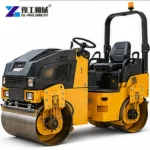
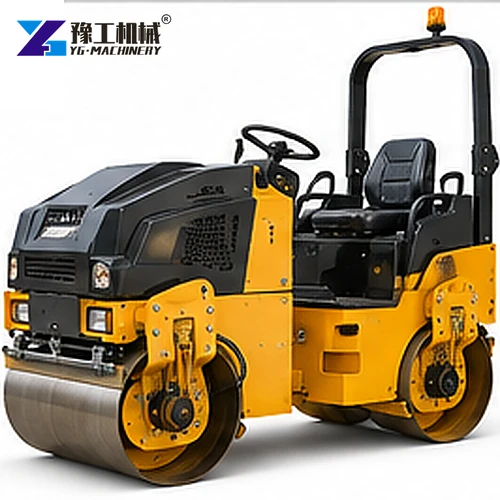
YG mini rollers cover 330, 750 and 1000 kg configurations with 20 or 50 kN exciting force and 70 Hz vibration. These machines are intended for narrow lanes, repair areas, joints and confined work rather than replacing heavy production rollers on deep earthwork. The verified table helps buyers compare drum width, force, travel speed and weight, while field control determines the final road roller compaction result.
The test-strip method below helps match lift thickness and vibration settings to a YG mini road roller; crack sealing is a different maintenance task handled by an asphalt crack filling machine.
Which Material Conditions Control Road Roller Compaction?
Soil and asphalt do not share one compaction window. Decide which material controls the job before copying a pass pattern or choosing vibration from a catalogue.
Soil Moisture, Gradation And Loose Lift
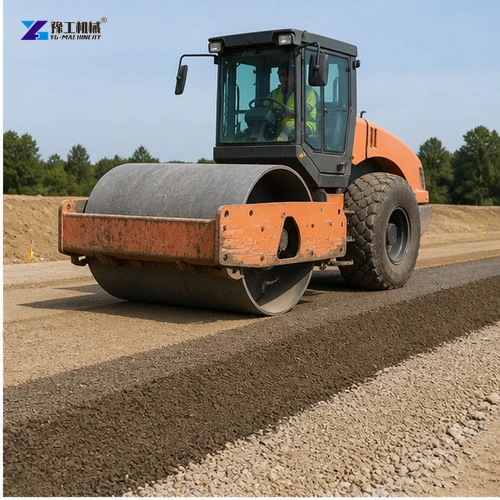
For granular base, record gradation, moisture, loose lift thickness and support below the layer. Material that is too dry may not rearrange efficiently, while excess water can pump under the drum.
Cohesive soil responds differently and may require another drum type. Build a short test strip and adjust moisture or lift thickness before adding passes to a material that is not compactable in its current state.
Asphalt Temperature And Mat Condition
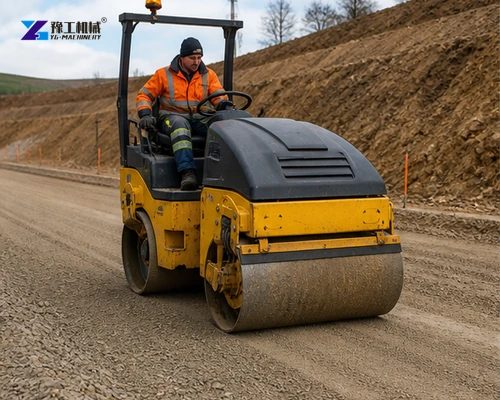
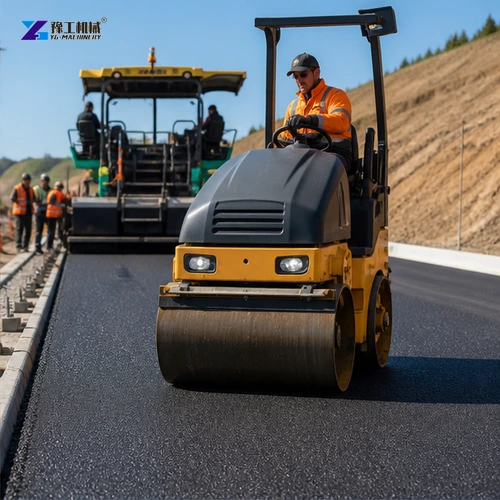
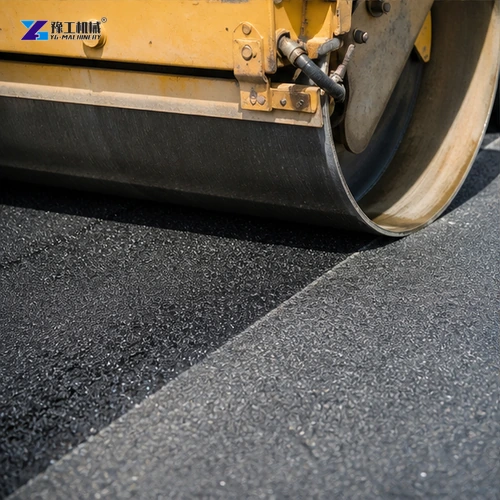
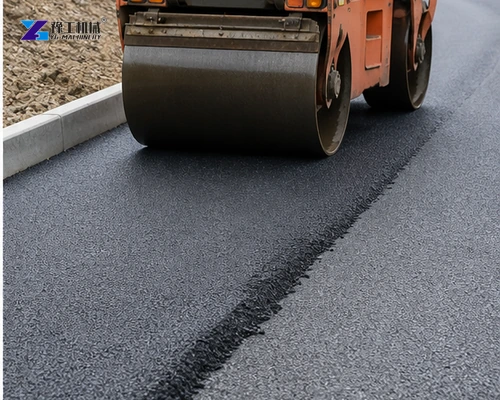
Fresh asphalt is governed by mix temperature, ambient conditions, haul time, mat thickness and the distance behind the paver. The roller should enter at a safe temperature, maintain a consistent lane and avoid abrupt steering or stops that mark the mat. Joint edges and confined repairs need careful overlap. Record surface temperature and pass timing rather than relying only on operator intuition.
Treat the approach to joints and confined repairs as part of the planned run. The available working window changes as the mix loses heat, so a successful pass sequence depends on timing as well as the roller. A pattern proven on a different mat thickness or delivery rhythm needs review before it is reused.
Send the material type, layer thickness, work area and access limits so the compaction task can be reviewed.
How Should A Roller Pass Pattern Be Established?
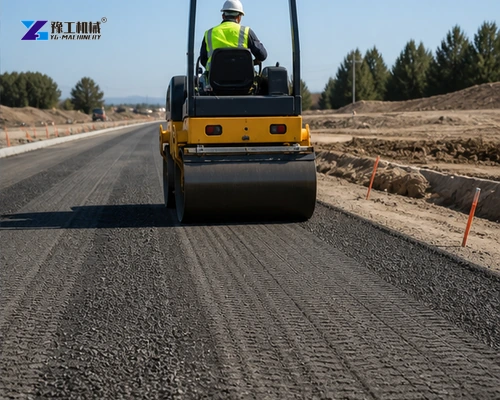
Define the lane width, overlap, direction, vibration state, speed and number of passes. Start with a controlled test strip and measure density after selected passes.
The test strip must use the actual material, moisture, loose lift thickness and support condition. Mark lanes and passes so results can be tied to roller settings. A smooth-looking surface is not proof of density through the full lift.
The result shows when additional passes produce little gain. Use the same travel speed and vibration setting during production; changing both at once makes a failed density result difficult to diagnose.
A pass normally includes travel over the test area in the defined direction, so project teams should use one consistent counting method. Mark lane edges and overlap enough to avoid untreated strips without wasting time. Near structures, utilities or thin edges, static passes may be required. The operator should stop vibration before remaining stationary to prevent a depression.
Record travel speed, vibration setting, overlap and pass count. Turning, stopping with vibration on and inconsistent lane width can create marks or uneven energy. Operators need an agreed pattern that covers edges and confined areas without repeatedly overworking one strip.
Share the material type, lift thickness, moisture range and density target. YG can compare roller characteristics after the trial-strip conditions are clear.
Provide moisture, asphalt temperature or gradation data to check whether the material is ready for a trial pass.
Which YG Mini Roller Parameters Affect The Result?
The published range uses a 45 N/cm static linear load and 70 Hz vibration across the listed models.
Exciting force is 20 kN on YG-600S and YG-850 and 50 kN on the 1000 kg YG-880 configurations. Drum widths rise from 600 to 850 mm, increasing coverage but also affecting access and edge control.
| Parameter | YG-600S | YG-880 | YG-850 | YG-880 heavy |
| Power | 5.5 hp | 25/20 hp | 6.0 hp | 25/20 hp |
| Travel speed | 2.4 km/h | 0–5 km/h | 0–4 km/h | 0–5 km/h |
| Gradeability | 25% | 30% | 30% | 30% |
| Static linear load | 45 N/cm | 45 N/cm | 45 N/cm | 45 N/cm |
| Exciting force | 20 kN | 50 kN | 20 kN | 50 kN |
| Vibration frequency | 70 Hz | 70 Hz | 70 Hz | 70 Hz |
| Steel drum size | 426×600 mm | 800×850 mm | 580×700 mm | 800×850 mm |
| Weight | 330 kg | 1000 kg | 750 kg | 1000 kg |
Travel speed ranges from 2.4 km/h on YG-600S to adjustable speeds up to 4 or 5 km/h on larger models. Compaction speed must remain slow enough to deliver effective vibration impacts. Check gradeability, water tank, engine, transport size and site access together. The heaviest machine is not automatically correct for a thin patch or weak edge.
How Is Compaction Quality Verified Without Over-Rolling?
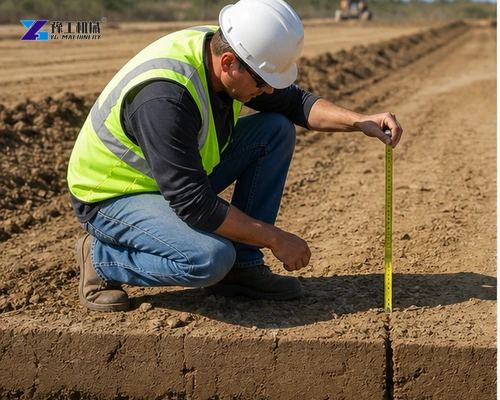
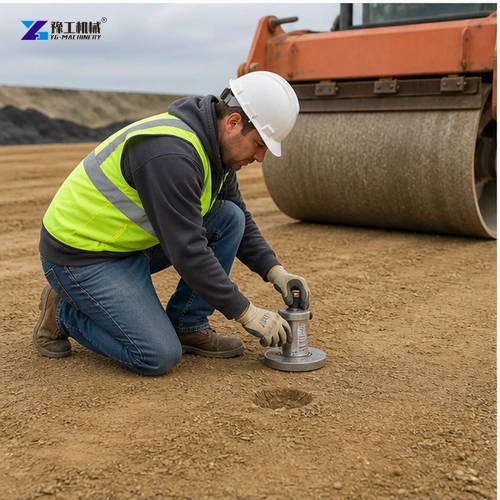
Use the test method specified by the project: nuclear or non-nuclear density gauge, sand cone, cores, plate test or another approved procedure.
Calibrate readings against the material and confirm the reference maximum density. Surface appearance alone cannot prove that the full lift is compacted, especially where a stiff crust hides weaker material below.
Plot density against pass count on the test strip. When density stops increasing, check moisture, lift thickness, support and machine selection before adding more passes. Inspect for cracking, shoving, pumping or aggregate fracture. Keep records by station or lot so a failed area can be isolated and corrected instead of rolling the entire project again.
Share the target density, daily area and transport restrictions to compare suitable roller parameters.
How Are Edges And Failed Areas Kept In The Acceptance Record?
Plan edge, joint and obstacle treatment separately from open-area rolling. Small missed zones can control acceptance even when the main lane reaches density efficiently.
The daily record should identify material lot, area, weather, lift, roller model, settings, passes and test results. This traceability lets the team isolate a failed zone and repeat the accepted method on later areas instead of relying on memory.
Record the extent of a failed area before deciding how to correct it. Compare its support, moisture or temperature and executed pass pattern with the accepted test strip. A local defect should lead to a targeted review, not an automatic increase in passes across work that has already met the requirement.
Where several materials occur, run separate trials and label the resulting recipes. A pass count proven on granular base cannot be copied to cohesive soil or asphalt. The equipment may remain the same while moisture, vibration and acceptance methods change.
Provide the accepted pass pattern, production width and site access limits when you are ready to discuss a road roller configuration.
Submit the site plan and acceptance method for a project-specific roller quotation.
Road Roller Compaction Buyer FAQ
Determine the number with a test strip and density measurements for the actual material and conditions.
No. Stop vibration before standing still or making movements that could mark the surface.
Its suitability depends on material and lift thickness; deep production earthwork may require heavier equipment.
Excess moisture, weak support or an unsuitable lift can cause visible movement and loss of stability.
Use enough overlap to eliminate untreated strips while keeping a repeatable lane pattern for the site.
Use the form to send the material, loose lift, access width and trial-strip results. The roller comparison should follow those conditions and the project test method. A machine rating or visually smooth surface alone cannot establish achieved compaction.