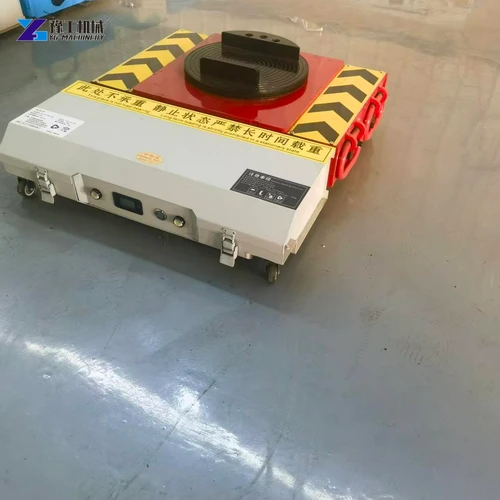
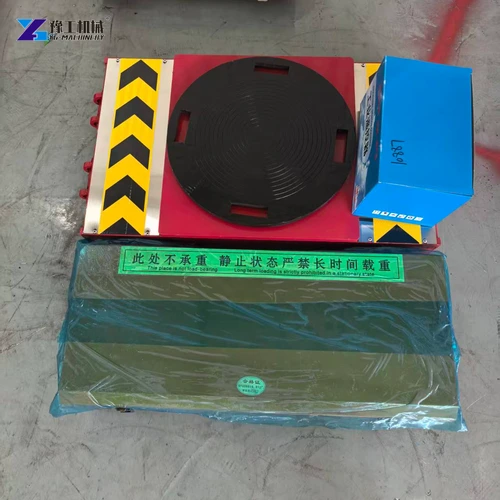
A heavy equipment moving dolly should be chosen by how it engages the machine and transfers its weight. A low skate fits beneath a raised machine base, a lifting dolly engages a suitable edge or lifting interface, and a platform carries equipment on a deck. These arrangements can all provide floor movement, but they need different loading methods and contact geometry.
For machinery installation, that distinction is often more useful than a large capacity figure. The equipment must accept the actual machine base, provide appropriate support during travel and allow a controlled transfer at the destination. A powered low-profile unit is one option within this wider comparison.
Heavy Equipment Moving Dolly Types And Their Loading Methods
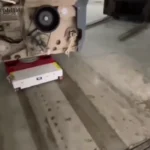
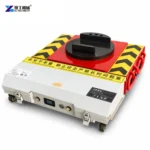
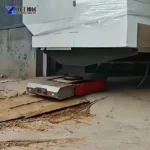
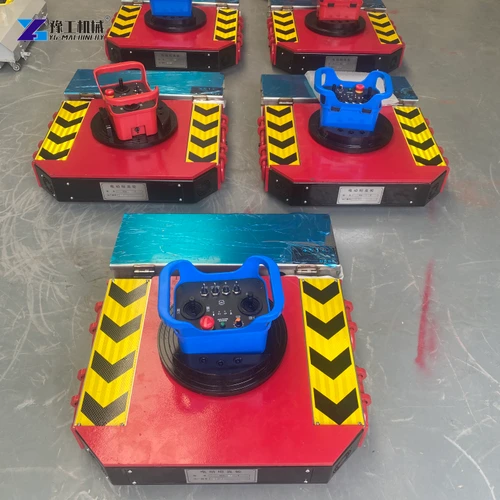
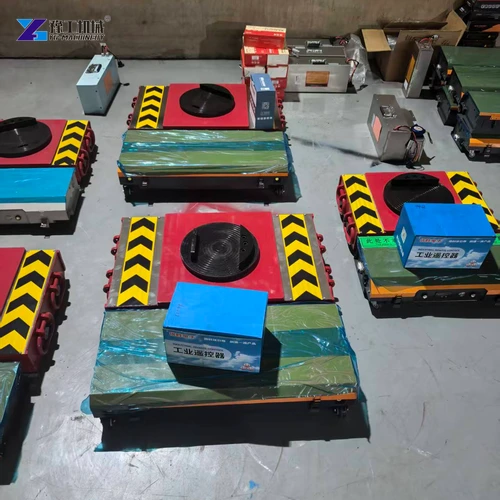
A low machinery skate receives a load that has already been raised enough for insertion. The machine rests on the upper support, while wheels or another running assembly carry the reaction to the floor. A powered version supplies horizontal drive; it does not necessarily provide any lifting stroke.
A lifting dolly combines rolling movement with a particular lifting interface. Some designs engage an edge or use a pair of units on opposite sides of an object. Their suitability depends on the permitted contact, how the load is secured and the stability of the specified arrangement. A lifting function shown on one dolly should not be assumed to exist on another low moving platform.
A platform transporter carries the load on a deck. That can be appropriate where the item can be placed on the platform and retained as required. Loading access, deck height, centre of gravity and the unloading method become part of the selection. A machine with a closed, floor-mounted base can present a different challenge from an assembly already carried on a transport frame.
Compare these types by the loading sequence they require. An integrated lift may reduce one transfer stage for a compatible load, but it does not automatically suit a heavy machine whose base cannot accept that interface. A low powered skate may offer useful floor-level movement when separate lifting equipment can establish the correct support.
Compare a low skate, lifting dolly and deck platform around how your machine will be loaded.
Machine Bases Determine Which Dolly Interface Fits
The underside of the machine is part of the equipment selection. A broad casting with defined support areas, a welded skid and individual feet distribute load differently. Guards, drain trays, cable ducts and covers can occupy space beneath the machine without being suitable load-bearing points.
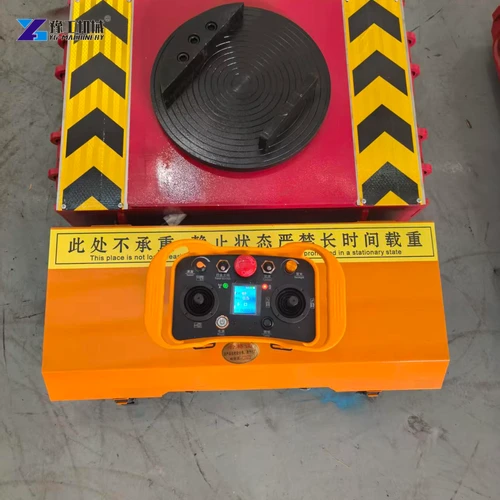
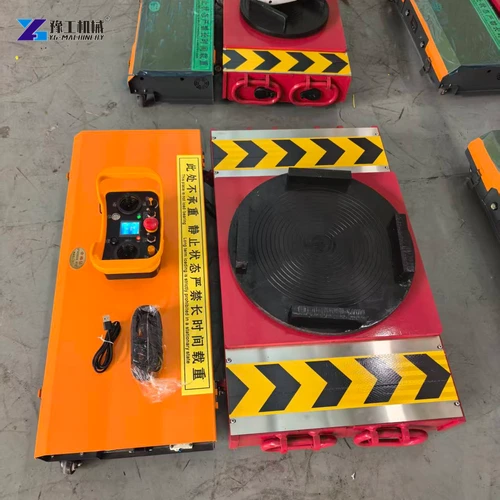
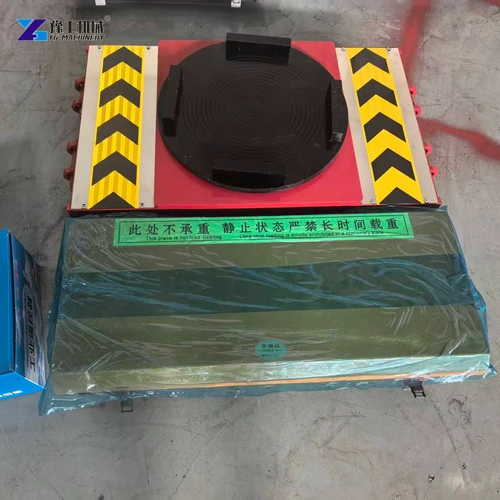
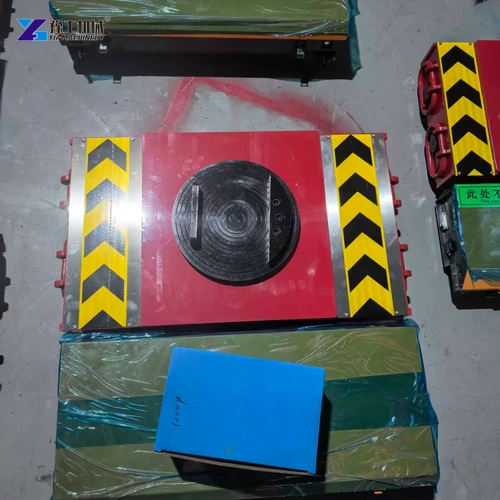
For a low skate, enough clearance is needed to insert and remove the selected unit. The upper contact must sit against an appropriate structural area. A round support pad is not evidence that any part of the machine base can rest on it. The contact area and its location determine how force enters the machine structure.
Lifting dollies require their own approved engagement. A toe or edge-lifting interface can concentrate load locally, so the machine needs a suitable lifting area. Equipment with a fragile cabinet or unsupported sheet-metal skirt may not accept the same contact as a rigid transport frame. Straps or retaining features, where specified by that dolly design, also need suitable attachment and geometry.
For deck transport, check how the item is placed and retained on the platform. A high deck may change the overall height and centre of gravity during movement. It may also change the lifting equipment needed at each end. The best heavy equipment moving dolly is the one whose loading interface matches the machine and transfer method.
Identify the structural areas of the machine base that can accept the proposed support.
Heavy Equipment Moving Dolly Specifications
The following YG electric machine skate configurations provide powered floor movement beneath suitable supported machinery. They are compared here as low-profile equipment. No lifting stroke or deck-loading feature is implied by these specifications.
| YG configuration | 10T | 20T | 30T |
| Overall dimensions | 500 × 550 × 145 mm | 670 × 620 × 165 mm | 740 × 640 × 185 mm |
| Powered-unit load capacity | 10 metric tons | 10 metric tons | 15 metric tons |
| Listed towing weight | 10 metric tons | 20 metric tons | 30 metric tons |
| Motor arrangement | 500 W × 2 | 750 W × 2 | 1200 W × 2 |
| Battery voltage and capacity | 48 V, 30 Ah | 48 V, 60 Ah | 48 V, 60 Ah |
Three dimensions answer different questions: overall chassis height, lifting stroke and the clearance required for insertion. The 10T unit’s listed 145 mm overall height is not a 145 mm lifting stroke and does not define every loading clearance. Space must also accommodate the contact arrangement and insertion method, while the loaded working height must be compatible with the companion supports.
The 10T and 20T configurations both list a 10-ton powered-unit load capacity. Their towing figures and dimensions differ. This is a concrete reason to compare individual fields rather than treating the model designation as a complete description of what the equipment carries.
When considering a heavy equipment moving dolly, keep the supported reaction distinct from total moving weight. The remaining reactions may require suitable followers. Neither the towing figure nor the battery capacity assigns a lifting rating to the equipment.
Compare the 10T, 20T and 30T units by chassis height, carried load and motor arrangement.
Lifting, Rolling And Final Lowering Need A Compatible Sequence
Installation can involve several transfers of support. At one stage, the machine may rest on lifting equipment; during movement, it rests on rolling supports; at the destination, it returns to its permanent base or foundation. The handling arrangement must remain appropriate as those contacts change.
For a low skate, the lifting method should allow insertion without placing people beneath an inadequately supported machine. The unit must remain located as weight is transferred onto it. At the destination, there must be a practical way to remove it and lower the machine onto its final supports.
- Establish the required lifting and contact interfaces for the machine. The lifting capacity and the dolly’s carried-load capacity are separate checks.
- Define the transition onto the rolling arrangement. Identify which supports carry the machine while other equipment is positioned or removed.
- Define the destination transfer before movement begins. Include access for removal and the final machine support condition.
If the installation needs suspended placement, mini spider crane load-chart and access selection addresses that lifting task. A heavy equipment moving dolly should be selected as part of the complete sequence, without confusing the roller chassis height with a jack’s lifting travel or a platform’s loading height.
Discuss how the machine transfers from lifting equipment onto skates and back onto its final supports.
Choosing A Dolly Package For Different Machinery
A machine tool with a rigid low base may suit a different arrangement from a tall electrical cabinet or a process vessel on a frame. The issue is not simply that one weighs more. The geometry of the contact, position of the centre of gravity and means of retaining support can change the suitable equipment type.
For repeated movement of compatible framed assemblies, a deck-based system may integrate well with existing loading equipment. For occasional relocation of installed machinery, low skates and separate lifting equipment may offer a useful combination. A lifting dolly can be considered where its specified engagement and restraint match the actual load. These are selection alternatives, not interchangeable product names.
Powered movement adds another decision: whether a drive unit improves control and practicality for the intended floor transfer. The power package still needs compatible supports, suitable floor contact and a clear operating method. It should not be purchased to compensate for an unresolved loading interface.
A useful enquiry for a heavy equipment moving dolly identifies the machine type and base construction, total weight, available support areas and how lifting and lowering will be performed. This lets the equipment discussion focus on a workable arrangement rather than an isolated capacity number.
Heavy Equipment Moving Dolly FAQs
No. Some equipment combines lifting and rolling functions, while a low machinery skate generally receives a load raised by separate lifting equipment. Confirm the actual functions of the chosen model.
Only a suitable structural support area should carry the reaction. A cover or skirt is not automatically a lifting or support point. The load’s construction must be assessed for the proposed contact.
A low chassis can fit beneath machinery with limited available clearance after appropriate lifting. Its working height still needs to match the remaining supports and the planned insertion and removal method.
The listed towing weight is 30 metric tons and the powered-unit load capacity is 15 metric tons. These figures do not specify an integrated lifting function or lifting capacity.
It is relevant when the load can be placed and retained on a suitable deck and transferred off it at the destination. Loading height, stability, restraint and unloading access should be considered with the platform’s rating.
Describe the machine base, insertion clearance and loading and unloading method to discuss whether the YG low moving unit suits the transfer.