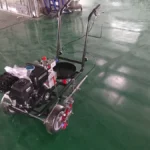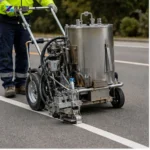
A two component road marking machine applies reactive A/B materials through separate storage and a controlled mixing or application path. It is used when a project needs durable flat lines, oscillating or raised patterns, zebra markings, symbols or other specified pavement markings. The machine must match the approved coating system, application pattern, width, thickness and working-time limits; choosing by tank size alone does not produce a reliable line.
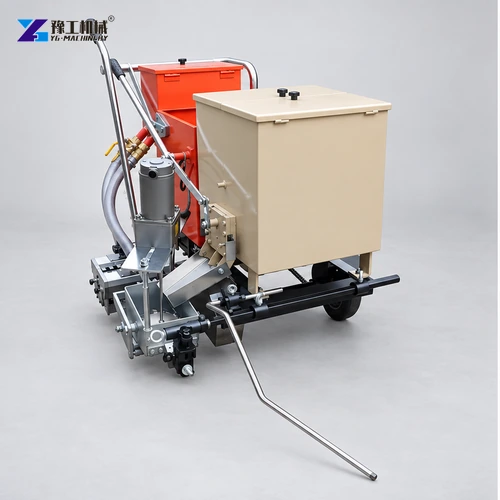
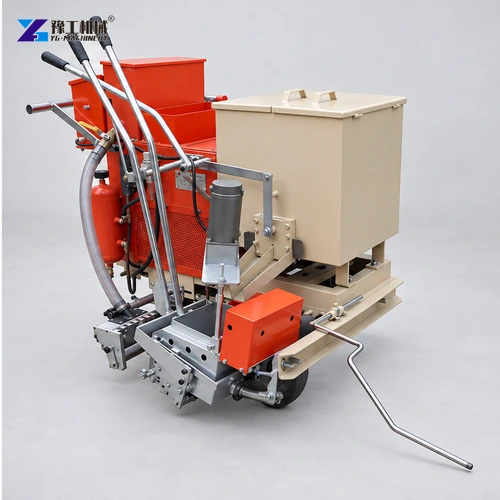
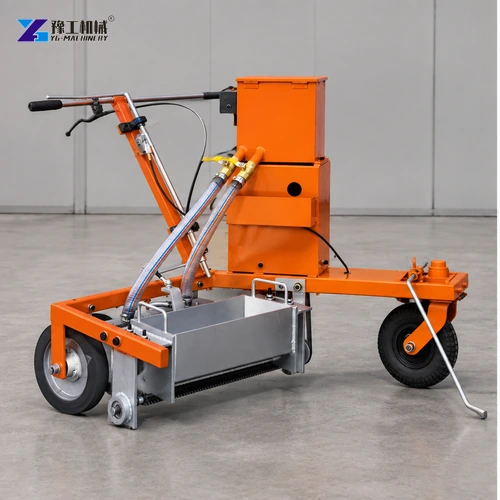
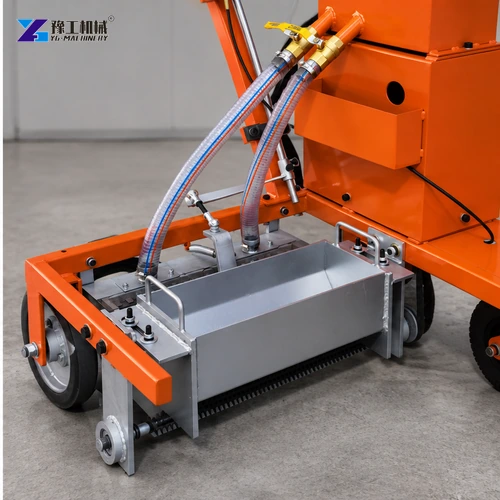
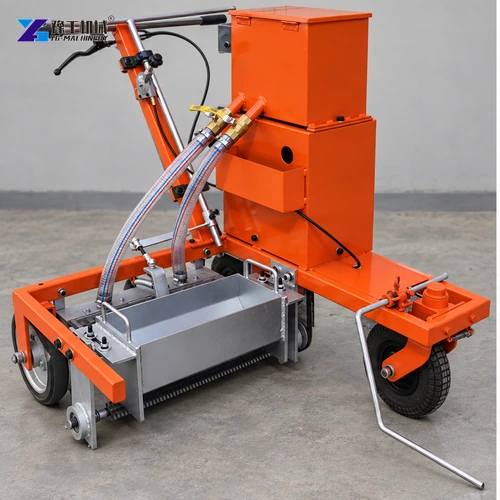
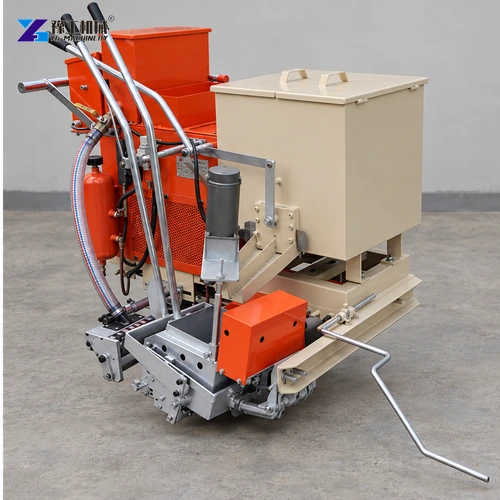
YG’s CK450, CK500 and CK400 cover different application methods. CK450 is a compact screed configuration, CK500 combines oscillating and screed functions, and CK400 is designed for splatter or zebra-style work. The useful choice depends on what must be placed on the pavement, not on which model has the most features. Buyers should submit the material data, drawing, quantity, site temperature, required pattern and acceptance method before configuration.
Related selection pages: cold paint road marking machine, thermoplastic road marking machine, and road line marking machine range.
Share the coating data sheet and marked line schedule so the CK400, CK450 or CK500 application path can be matched to the pattern and width your contract requires.
Choose a Two Component Road Marking Machine by Pattern
Start with the drawing and divide the work into flat continuous lines, raised or oscillating lines, zebra areas, symbols and short interrupted markings. CK450 suits controlled screed work where the contract requires selectable widths. CK500 is the stronger candidate when one project includes both screed and oscillating patterns. CK400 serves broad splatter or zebra applications where coating width and texture are central to acceptance.
Do not use one average width to describe the entire project. List each line width, raised profile, gap length, symbol size and total quantity. Curves, ramps, crossings and frequent stops change the operator’s pace and material response. This schedule lets YG identify the working head and accessories rather than quoting a machine that can carry material but cannot reproduce the specified pattern.
Two Component Road Marking Machine Parameters
| Model | Application | Parameters |
| CK450 | Two-component screed marking | A/B tanks: 50 kg each; width: 50-450 mm; motor-rotation mixing; dimensions: 1200 x 900 x 1100 mm; weight: 100 kg |
| CK500 | Oscillating and screed marking | Honda 4-stroke gasoline engine; A/B tanks: 50 kg each; width: 150-450 mm; raised marking: 3-5 mm; maximum grade: 15 degrees |
| CK400 | Splatter and zebra marking | 48 V / 15 Ah lithium battery; width: 300 / 400 / 450 mm; thickness: 1.0-3.0 mm; weight: 135 kg |
Read each row as a separate working configuration: the required pattern and line width determine the application head, while the coating working time and site grade affect how the material can be handled during a shift. The listed model values do not guarantee output with every coating.
Control A/B Material Feeding and Mixing
Use only the coating supplier’s approved component ratio, induction requirement, pot life and cleaning method. The available YG product data does not define a universal A/B ratio because different materials use different chemistry. Record the product name, batch, temperature range, component packaging, mixing tolerance and usable time, then arrange separate loading tools so operators do not contaminate the A and B paths.
Before full production, circulate or load only the amount needed for a controlled trial. Observe whether material reaches the applicator evenly, whether the line begins cleanly and whether either side of the system leaves unmixed residue. Any pause must remain within the material’s working-time rules. At shutdown, follow the coating supplier’s sequence for emptying, isolating and cleaning each path; random solvent use can damage seals or create cured material inside the machine.
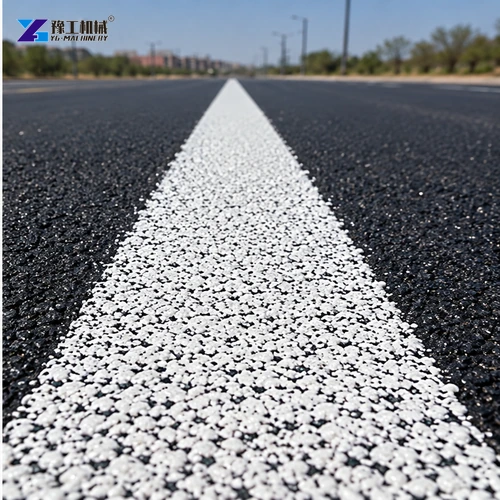
Set Marking Width, Thickness and Pattern
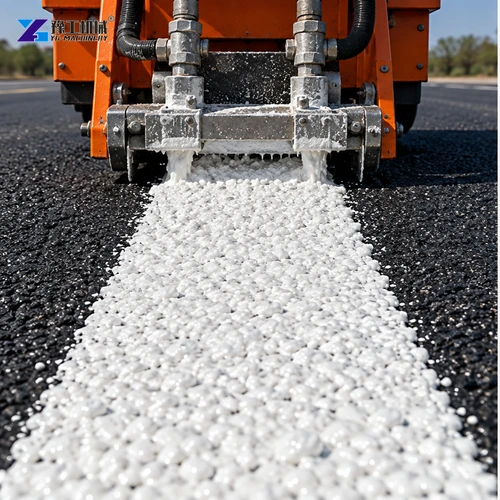
Fit the working head for the required width and place a measured trial on a prepared test area. Check line width at several points, wet or deposited thickness as specified, edge definition, texture, raised height where applicable and the length of solid and gap sections. CK500’s computer-controlled pattern function can adjust solid and broken-line lengths, but the operator still needs reference marks and an acceptance sample.
Pavement temperature, moisture, dust and surface defects can change adhesion and appearance even when the machine setting is correct. Clean the trial area using the approved method and record material batch, ambient conditions, settings and test results. Production should begin only after the contractor or inspector accepts the sample. Keep the accepted record with the machine settings for repeated shifts.
If the approved trial includes several widths or raised patterns, send the marked layout and accepted line sample; these help match the application head and width parts before A/B material is loaded.
Plan Two Component Marking Work and Cleaning
Organize the crew around material preparation, loading, machine operation, line measurement, traffic control and cleaning. A two-component system can create avoidable downtime if material remains in the path beyond its usable period. Break the daily quantity into manageable batches, identify safe cleaning points and keep approved cleaning tools ready before opening either component.
Check gradients, turning areas and transport access at the real site. Protect the machine from moving traffic and keep pedestrians away from uncured markings. At shift end, record material used, line quantity, rejected sections, cleaning completed and wear items that need replacement.
Prepare a Two Component Road Marking Quote
Send the coating data sheets, application pattern, width, thickness or raised height, line and gap lengths, total area, site gradient, power or fuel preference, target start date and delivery location. State whether the project needs CK450 screed work, CK500 oscillating plus screed capability or CK400 broad splatter and zebra application. Photographs and marked drawings reduce misunderstandings about the required pattern.
Request an itemized package showing machine model, application head, width parts, tanks, control system, tools, recommended wear parts, cleaning accessories, manuals, packing and functional test. Keep optional items separate so quotations remain comparable. A useful proposal should explain what project information still affects final configuration without inventing performance that has not been tested with the buyer’s material.
Ask for the selected model, application head, width parts, A/B tanks and cleaning scope to be listed separately, with each required marking pattern tied to the configuration that will produce it.
Two Component Road Marking Machine for Durable Lines FAQ
Use the exact A/B ratio and working-time rules supplied for the approved coating. There is no universal ratio for all two-component materials.
CK500 combines oscillating and screed functions and lists a 3–5 mm raised-marking height.
Its available width options extend from 50 to 450 mm; the final working head must match the specified line.
Approve material feeding, mixing response, width, thickness or raised height, pattern length, adhesion and cleaning sequence on a trial area.
Request a Two Component Road Marking Machine Quote
For a two-component road marking machine, share the coating data sheet, required line width and profile, daily marking quantity, site temperature, road surface and cleaning method. These details determine the A/B supply and application-head package.