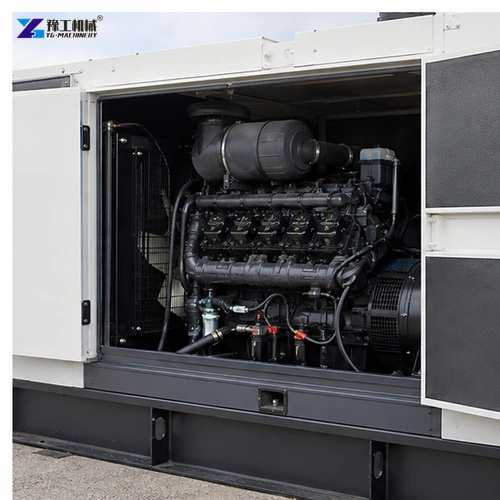
Running load and starting demand must be separated before sizing
Large motor starts can govern generator and control selection
Commercial generator price is determined by more than the kW number on a model list. A facility may need standby power for a stable lighting load, repeated starting of large motors, or continuous operation with changing demand. Those duties can require different alternator, control, cooling, fuel and enclosure arrangements even when the nominal power rating looks similar.
Installation scope also changes the total. An open set inside a prepared generator room is not commercially equivalent to an outdoor sound-attenuated package with an automatic transfer switch, fuel system, cabling and commissioning. YG needs a load schedule, duty definition, electrical standard, site conditions and supply boundary before an itemized offer can be prepared.
Which Load Information Determines The Generator Size?
List every load that must operate during an outage. Record running kW or current, voltage, phase, power factor and the operating sequence. Separate essential loads from equipment that can remain off. If motors, compressors, pumps, elevators or welders are included, provide starting method and starting current rather than only nameplate running power.
The timing of starts matters. Several motors starting together can create a larger voltage dip than the same loads added in stages. Sensitive controls, medical or data equipment may impose voltage and frequency limits. Nonlinear loads and unbalanced single-phase circuits can also affect alternator and neutral selection. These issues require an electrical engineer’s project data; they should not be guessed from building area.
Define whether the generator is for emergency standby, prime or another operating duty and state expected annual hours. Ambient temperature, altitude and ventilation can reduce available performance. A useful commercial generator price follows a reviewed load profile and duty rating, not a simple rule that adds an arbitrary percentage to the total load.
Send the load schedule, largest starting event and required duty. YG can compare the demand with the published power range and identify missing electrical data.
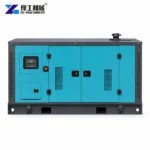
The selected YG commercial diesel generator range below provides preliminary three-phase data. Final engine, alternator, controls, enclosure and rating must be confirmed for the destination and duty.
Published Parameter
30 kW
100 kW
150 kW
200 kW
300 kW
400 kW
Engine Cylinders
4
6
6
6
6
6
Rated Voltage
400 / 230 V
400 / 230 V
400 / 230 V
400 / 230 V
400 / 230 V
400 / 230 V
Frequency
50 Hz
50 Hz
50 Hz
50 Hz
50 Hz
50 Hz
Rated Speed
1500 rpm
1500 rpm
1500 rpm
1500 rpm
1500 rpm
1500 rpm
Bore × Stroke
100 × 115 mm
105 × 125 mm
105 × 130 mm
126 × 130 mm
126 × 155 mm
135 × 160 mm
Published Current
54 A
180 A
270 A
360 A
540 A
720 A
Power Arrangement
Three-phase four-wire
Three-phase four-wire
Three-phase four-wire
Three-phase four-wire
Three-phase four-wire
Three-phase four-wire
The table does not replace a load calculation. Confirm whether the quoted rating is standby or prime, how ambient and altitude are treated, and which engine and alternator are included. Voltage and frequency must match the site; changing from the published electrical standard can alter selection and price.
Published current supports a preliminary check but protection, cable sizing and connection remain part of the project electrical design. The generator supplier should provide the final technical data for coordination. The site engineer remains responsible for distribution, earthing, discrimination and local compliance.
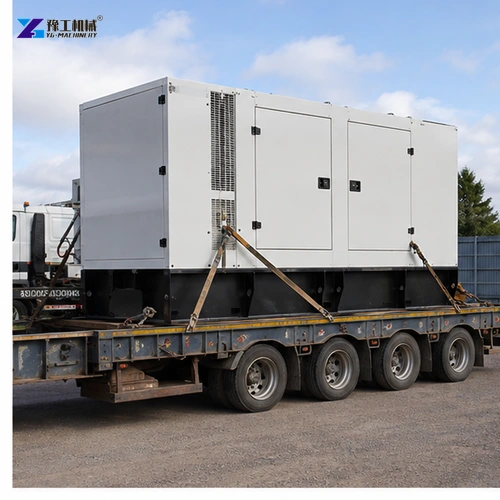
Noise and airflow requirements influence enclosure scope
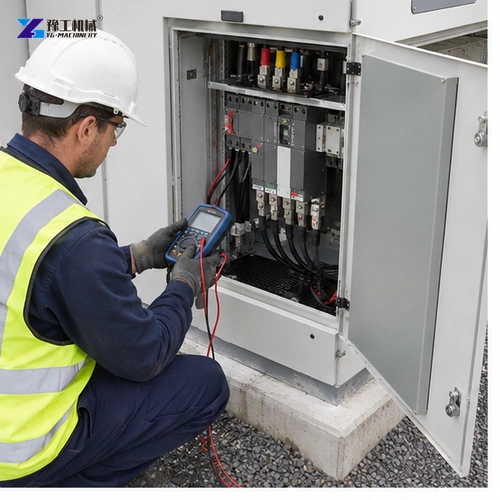
Transfer and control functions must be defined in the offer
Which Package Items Change Commercial Generator Price?
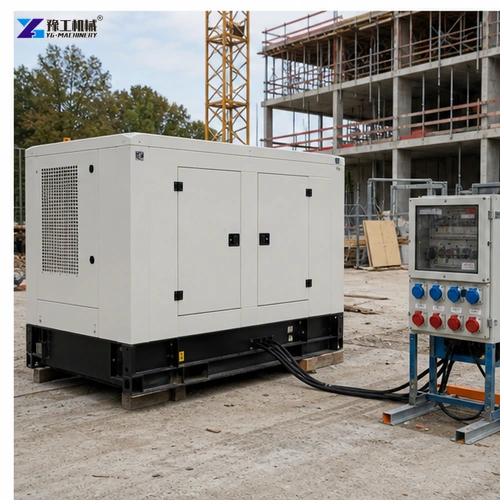
The same power rating can be supplied as an open set, weather enclosure or sound-attenuated package. The enclosure must manage rain, dust, airflow, hot-air discharge, exhaust and maintenance access. A noise target should identify the measurement location and operating condition; the word “silent” is not a measurable acceptance criterion.
What Should Be Defined For Controls And Transfer?
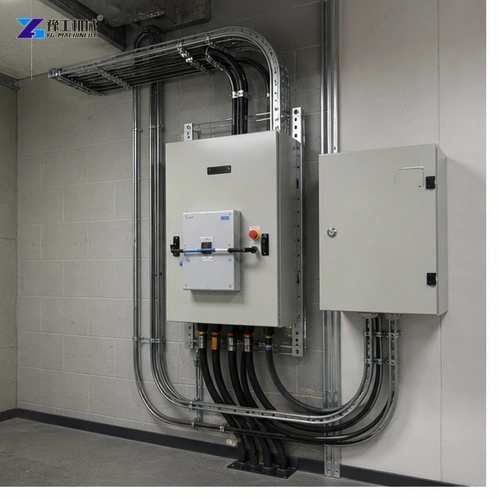
State manual or automatic operation, monitoring points, remote signals and the required response to mains failure. If an automatic transfer switch is included, specify rating, number of poles, interlocking, bypass needs and communication. Confirm whether switchgear is factory supplied, installed by others or integrated on site. Two offers can differ substantially when one includes only a basic controller and the other includes the complete transfer function.
What Should Be Defined For Fuel And Runtime?
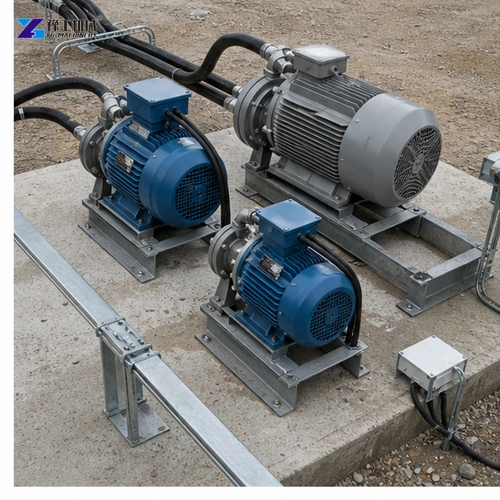
State the required running hours at the design load and who provides bulk storage. Day tank, base tank, piping, filtration, leak containment, level controls and fuel transfer may be separate items. Local environmental and fire requirements must be handled by qualified project parties. A larger tank is not automatically better if it creates site, transport or compliance problems.
Provide the enclosure, noise, transfer and runtime requirements so YG can itemize the package instead of hiding unlike equipment behind one generator rating.
The project may require foundations, lifting, weather protection, intake and discharge openings, exhaust routing, fuel work, power cables, control cables, switchgear, earthing and building modifications. Define which items are included in the equipment quotation and which are completed by local contractors. An inexpensive set can create a costly installation if outlet direction or maintenance clearance conflicts with the site.
Delivery also needs planning. Confirm packed dimensions and weight, access route, crane or forklift capacity, unloading responsibility and storage conditions. Export packing, freight, insurance, customs, inland delivery and taxes should not be mixed into a single unexplained figure. State the commercial basis used by every supplier.
Commissioning scope should name the checks, attendance and test equipment. Pre-start inspection, fluid checks, no-load run, protection tests, transfer tests and load testing may involve different parties. Clarify whether a load bank is included, locally arranged or excluded. Travel, accommodation and repeat visits should be visible in the offer.
Required runtime changes tank, piping and site responsibilities
Cabling and protection boundaries affect installed project cost
How Should Buyers Compare Lifetime Cost?
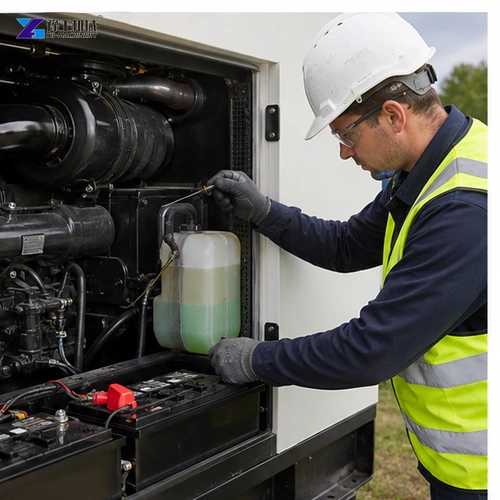
Fuel consumption should be considered at realistic loads rather than at one ideal point. Add engine oil, filters, coolant, batteries, routine service, consumables and scheduled replacement items. Expected annual hours and fuel availability affect which costs matter most. Standby equipment also needs periodic exercise and testing even when outages are rare.
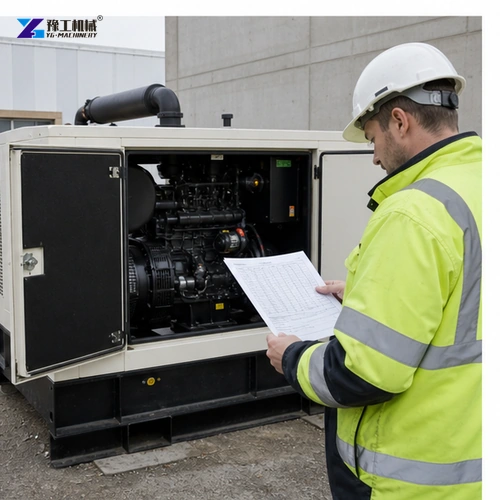
Maintenance access can reduce downtime. Check space for doors, filters, radiator cleaning, battery replacement and major component removal. Ask for recommended spare parts and service intervals for the final engine and alternator. A lower commercial generator price may be poor value when consumables are hard to obtain or ordinary service requires dismantling site structures.
Reliability is supported by a clear duty and test plan, not by oversizing without analysis. A unit operated continually at very low load can create its own maintenance concerns, while an undersized unit may struggle with motor starts. Compare models against the load sequence, operating hours and accepted voltage or frequency behavior.
If the duty cycle, fuel assumptions and service expectations are available, YG can help compare the complete ownership boundary rather than only the purchase figure.
Commissioning evidence should match the agreed duty and controls
Routine access and consumables affect lifecycle cost
What Evidence Should Be Included Before Order?
Prepare one revision-controlled data sheet with load schedule, duty, rating basis, voltage, frequency, ambient, altitude, enclosure, noise requirement, controls, transfer, runtime and site interfaces. Attach layout drawings and photographs showing access, ventilation and cable routes. Record every assumption that has not yet been confirmed.
The proposal should identify engine, alternator, controller, base or enclosure, fuel components, exhaust parts, starting batteries, charger, breakers, ATS, spares, manuals, packing, freight basis, installation assistance, commissioning and exclusions. Ask suppliers to quote the same scope and flag deviations. This makes the commercial comparison auditable.
Before shipment or handover, check identification, wiring documentation, controls, alarms, emergency stop, leaks, cooling, exhaust and supplied accessories. Commissioning should demonstrate agreed functions and produce signed records. Load-bank or site-load testing must follow the project’s approved method and responsible engineer.
With this evidence complete, YG can provide a commercial generator price connected to an actual facility requirement and clearly stated responsibilities.
Can Generator Size Be Chosen From Total Connected Load?
Not safely in every project. Operating sequence, motor starting, duty, power factor and sensitive loads can change the required configuration.
Is An Automatic Transfer Switch Always Included?
No. Its rating, poles, controls and installation scope must be stated in the quotation.
Does A Soundproof Enclosure Guarantee A Noise Level?
No. Use a measured target with location, load and test condition, then confirm the proposed enclosure and site layout.
What Freight Information Is Needed?
Provide destination, delivery basis, unloading method, access constraints and any packing or documentation requirements.
Should Commissioning Include A Load Bank?
Only when it is specified in the agreed test plan. Clarify who supplies it, what load steps are used and what records are required.
A defensible commercial generator price begins with a load profile and ends with a clearly itemized installed boundary. Published ratings narrow the equipment range, while enclosure, controls, fuel, site work, freight and commissioning define the real package. Comparing those items on one data sheet prevents a partial quote from appearing cheaper than a complete solution.