A long asphalt repair and a small patch beside a kerb may use the same mixture but present very different compaction jobs. The first offers a rolling path. The second may leave only a small working area between fixed obstacles. Choosing a mini road roller vs plate compactor starts with those contact and movement conditions, rather than treating the machines as interchangeable because both vibrate.
A roller develops coverage through repeated drum travel. A walk-behind plate works through a vibrating base that the operator guides across a local area. For a contractor selecting equipment, the useful question is which areas each machine can reach and compact consistently, with a base that can support the machine during work. Some repair crews benefit from both, with a defined role for each machine.
Mini Road Roller and Plate Compactor Working Differences
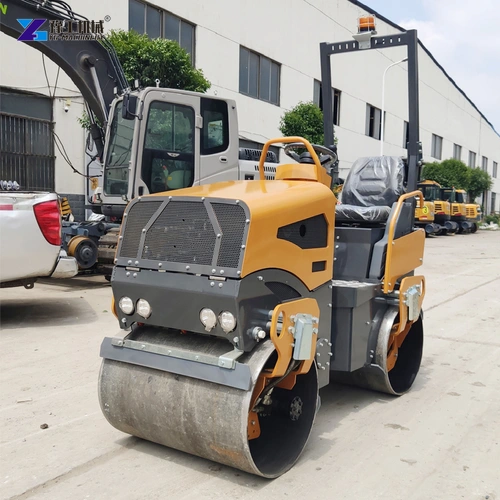
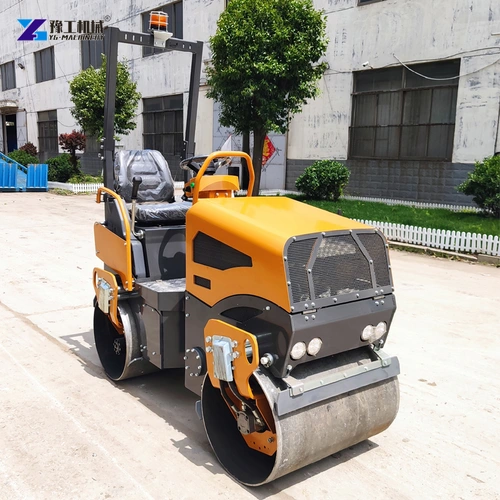
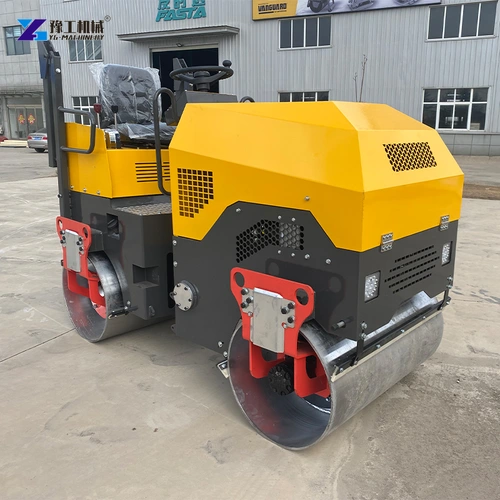
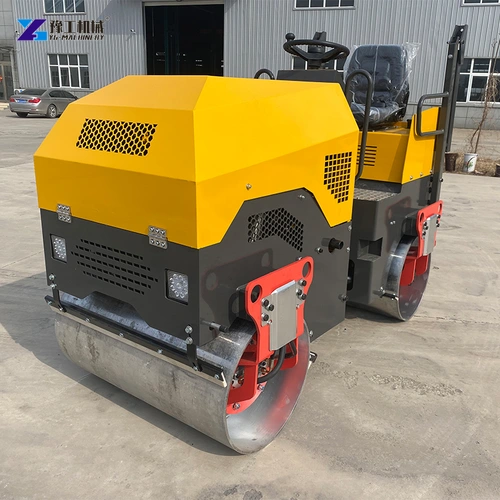
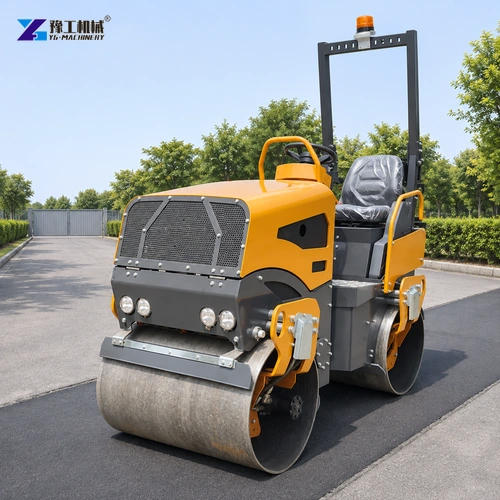
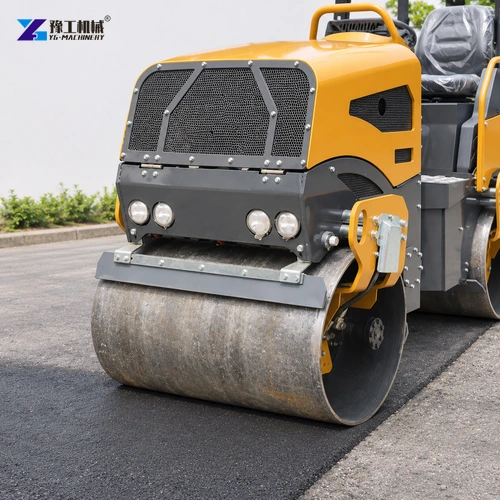
The steel drum of a mini roller carries the machine across the material. Its weight applies a static load, while an equipped vibrating drum adds repeated dynamic loading. Each pass follows a path, so steering, overlap and room to change direction affect the area that can be covered. Both rollers and travel-equipped plate compactors can follow a continuous repair strip. Their useful differences are the rolling drum versus vibrating plate contact, the width covered on each pass and the space needed to change direction.
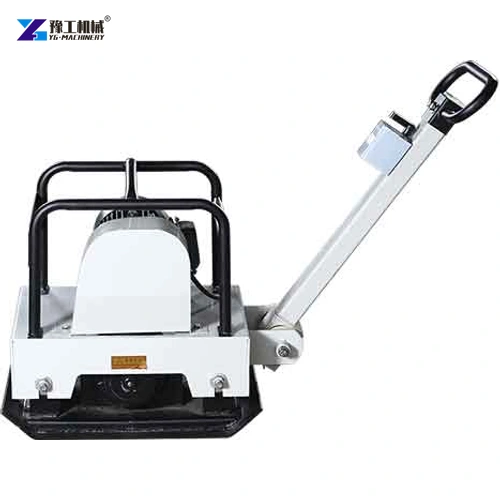
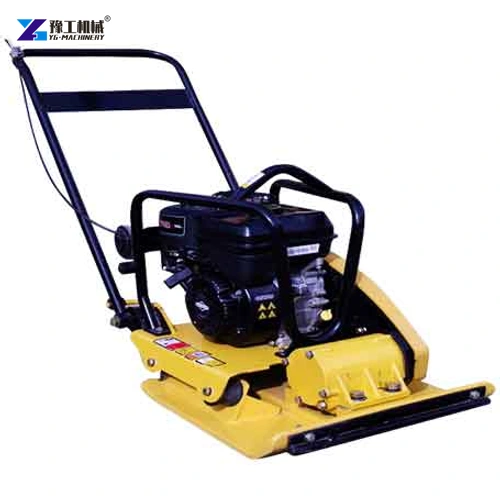
A plate compactor transfers vibration through a relatively flat base. The exciter creates repeated forces, and the machine’s travel arrangement lets the operator guide the plate along the surface. The plate and its handle still need working room. A compact base can reach a local area that a roller chassis cannot approach, but it cannot compact beneath an obstruction simply because its overall machine weight is lower.
For asphalt, contact with the hot mixture matters as well as the shape of the tool. Binder can adhere to a dry drum or plate and pull material from the repair as the surface moves away. An asphalt-equipped machine may use a water system or another manufacturer-approved release arrangement to reduce this pickup. Distribution matters: a blocked outlet can leave one part of the contact surface dry while another part is wet. The engine type alone does not determine asphalt suitability; the base, anti-pickup equipment and operating instructions must suit the mixture.
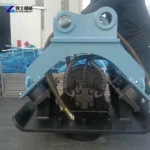
This comparison concerns walk-behind plates. An excavator-mounted hydraulic compactor is a different attachment with a different carrier and operating arrangement. Its name does not make it a substitute for a hand-guided plate on an asphalt patch.
Asphalt Repair Areas That Favor a Mini Road Roller
Rolling becomes attractive when the repair offers a usable travel pattern rather than a series of isolated contact points. Three examples show how the shape of the work changes that decision:
- Continuous utility reinstatement strips. A strip with suitable width and stable adjoining surfaces allows the roller to follow a defined route. Drum width and the space needed to reposition determine whether the operator can cover the strip without repeatedly crossing weak edges or leaving an inaccessible band.
- Open patches in access roads or parking areas. An open repair gives room for overlapping passes and changes of direction. The roller can work across the patch in a planned sequence, provided the support conditions, asphalt state and machine operating limits suit the job. The useful benefit is connected coverage, not an assumed number of square metres per hour.
- Repeated repairs with similar geometry. A crew moving between comparable locations can use the same roller configuration for the main repair surface. Transport, unloading and repositioning remain part of the work. A larger roller only helps if the access and movement between patches remain practical.
These examples are selection patterns, not universal area thresholds. A small open patch may accommodate a roller, while a larger patch divided by covers, bollards and narrow recessed corners may not. The YG mini road roller range provides the product starting point; the working shape determines which configuration is relevant.
Describe whether your repair is a continuous strip, an open patch or a corner beside an obstruction.
Corners and Local Repairs That Favor a Plate Compactor
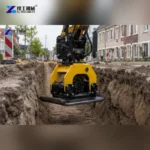
The plate becomes useful where a local contact area can be approached safely but the roller’s drum and chassis cannot follow a complete path. A narrow strip beside a wall, a recessed corner or a confined repair around a fixed feature can create that situation. The operator guides the plate along the accessible surface, with room for the handle and a controlled route out of the working area.
The accessible area is defined by more than base width. Handle movement, the position of the operator, the stability of the supporting surface and the clearance beside the engine or guard all affect access. A machine that fits physically into a corner may still leave no safe operating position. Likewise, working close to an unsupported edge requires its own assessment; a smaller plate does not remove the edge condition.
On a wider repair, using only a plate can create many short movements and repeated changes in direction. The practical question is whether the operator can maintain the required coverage and the asphalt remains within the specified working conditions throughout that sequence. For a crew with a roller, the plate can serve the areas left outside the roller’s practical route rather than duplicating every rolling pass.
Neither machine creates a sound repair from an unsuitable base, poorly prepared edges or an incorrect mixture. Those conditions belong to the repair specification. Equipment selection then determines how the specified material will be compacted in the available space.
YG Mini Road Roller Parameters
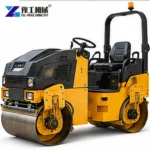
The following ride-on configurations illustrate two sizes within the YG compact roller range. The dimensions describe the steel drums, not the complete machine width or a certified safe clearance beside an obstacle.
| Parameter | YG-850 | YG-880 |
| Operator arrangement | Ride-on | Ride-on |
| Drum number | 2 | 2 |
| Drum size | 580 × 700 mm | 800 × 850 mm |
| Travel speed | 0–4 km/h | 0–5 km/h |
| Machine weight | 750 kg | 1,000 kg |
Drum working width determines the contact path and the number of adjacent paths needed to cover a surface. The two dimensions in the table must be checked against the proposed machine’s dimensional drawing before calculating pass spacing or clearance. Machine weight affects handling and transport planning, while travel speed describes the machine’s movement capability. Actual asphalt rolling speed and the acceptance test belong to the repair specification, rather than being calculated from maximum travel speed.
A sensible mini road roller vs plate compactor decision therefore uses the actual working width, operator arrangement and movement space together. The asphalt repair roller guide explains the rolling sequence after the equipment type has been selected. That is a different decision from choosing a roller solely from its maximum travel speed.
Compare the roller dimensions with the working strip and transport arrangement.
Choosing One Compactor or a Complementary Pair
For predominantly open, connected repairs, select the roller around the main travel route and identify the local areas that it cannot cover. For predominantly confined repairs, evaluate an asphalt-suitable plate around the accessible contact positions and handling requirements. Where both conditions occur regularly, the two machines can have complementary roles: the roller covers the connected surface, while the plate works the agreed local areas.
The handoff needs to be deliberate. Identify which machine will approach each edge or feature, how the crew will avoid interfering with one another, and how the completed repair will be assessed. Having two compactors on site is not itself a compaction plan. Their work must fit the material conditions and acceptance method specified for the repair.
When comparing purchase packages, keep machine type separate from included equipment. Transport provisions, operating instructions, asphalt-related accessories and service access affect the usable package. A bare machine quotation and a package prepared for a particular repair duty may cover different items, even when the equipment names appear similar.
The final choice is not that one machine is always stronger or more professional. Choose the mini roller for the rolling route that the job provides, and the plate for the local surfaces it can properly reach. Where the repair needs both kinds of contact, specify their separate duties before choosing sizes.
Tell us which surfaces a roller must cover and which areas remain inaccessible.
Mini Road Roller vs Plate Compactor FAQs
No single area threshold covers all repairs. Width, obstacles, edge support, mixture conditions and the required working pattern can change the suitable equipment even when two patches have the same area.
Select a plate intended and equipped for the material. Its base, arrangement for preventing material pickup and operating instructions must suit asphalt rather than assuming all soil-compaction plates are interchangeable.
A wider drum may cover a wider path, but access, overlap, turning, material conditions and the crew’s sequence determine useful progress. A wide drum can also leave a narrow part of the repair inaccessible.
No. This comparison uses a walk-behind plate compactor. An excavator attachment relies on its carrier and is a separate equipment choice.
Define the surfaces assigned to each machine, the movement and operator space, the order of work and the repair’s acceptance method. The two machines should cover different needs within one coordinated repair plan.
Describe your repair surfaces, required access and transport arrangement to discuss a suitable compact roller.