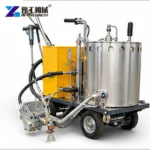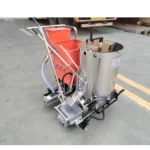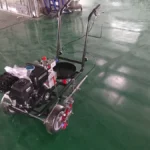
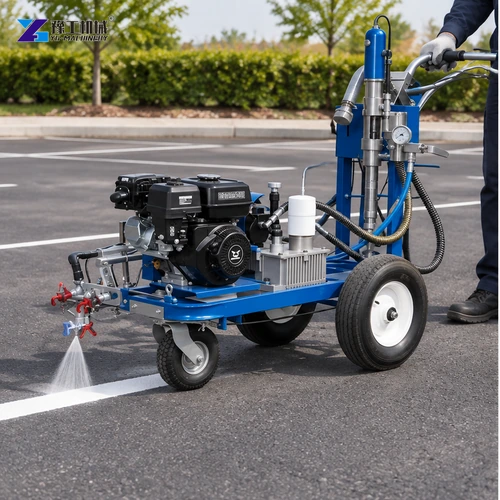
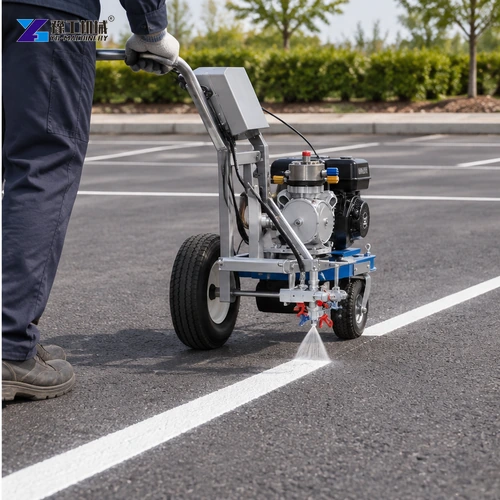
A pavement marking machine should be selected after the coating system and road layout are known. Cold paint equipment suits many parking areas, factory lanes and maintenance jobs; thermoplastic equipment serves hot-applied durable lines; two-component machines cover reactive flat, raised or textured markings. These systems do not use the same material path, so a buyer should not begin with a generic machine price.
The practical selection file includes the surface, approved material, line widths, wet or deposited thickness, solid and broken patterns, symbols, daily quantity, gradients, turning space and traffic-control window. YG can then route the project to the correct machine family and accessories. This application page helps buyers choose the system before comparing individual models.
Related selection pages: cold paint road marking machine, thermoplastic road marking machine, two component road marking machine, and road marking machine price guide.
Share the coating data sheet and marked road or parking layout so the paint path, application head and bead equipment can be matched to the specified lines and symbols.
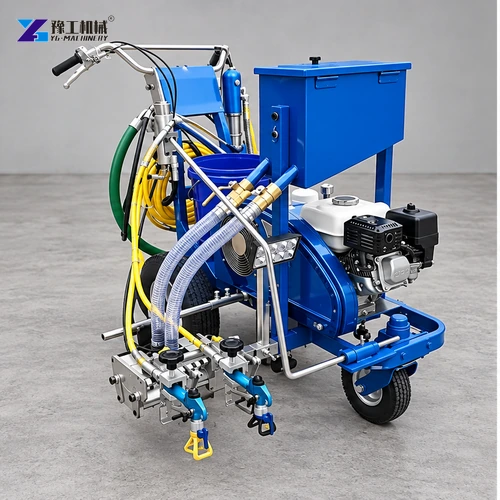
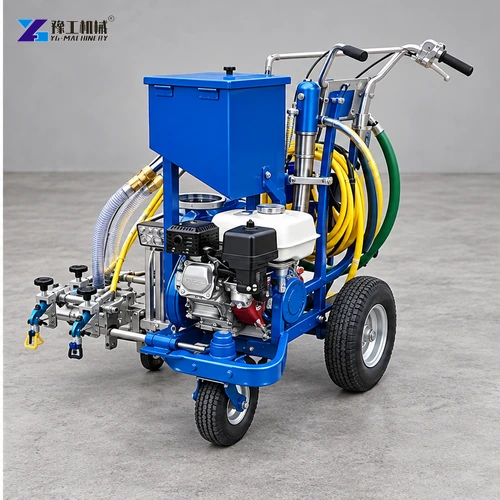
Match a Pavement Marking Machine to the Coating
Cold-paint machines pump a compatible ambient-temperature coating through filters, hose and spray gun. Thermoplastic applicators receive prepared hot material from a preheater and control it through a marking shoe. Two-component equipment keeps reactive materials controlled until the application stage. Mixing these workflows creates incorrect quotations and unsafe site assumptions.
Send the coating data sheet and project specification. Record viscosity or application limits, approved thickness, bead requirement, surface preparation, cure or opening time and cleaning method. If the project allows alternatives, request a separate configuration for each material instead of asking one machine to process incompatible systems.
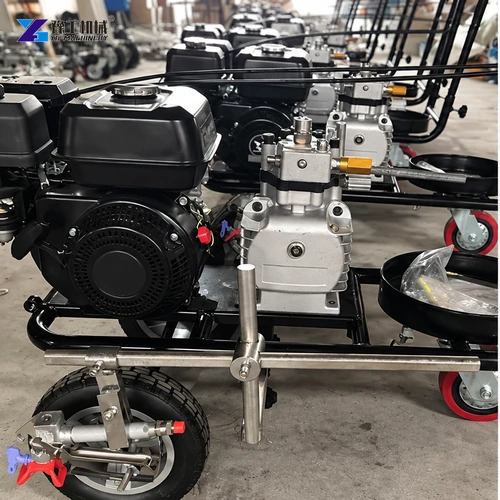
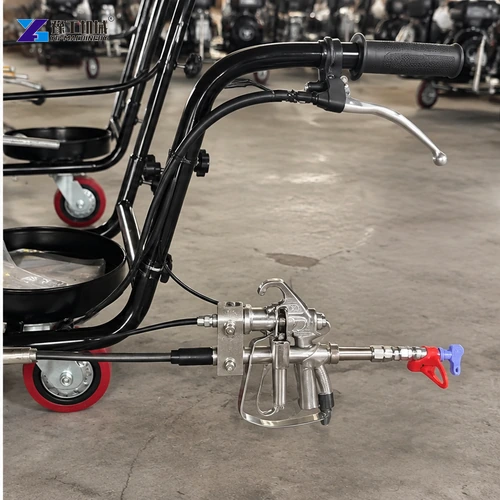
Choose Pavement Marking Equipment by Line Pattern
Separate long straight lines, parking bays, curves, arrows, crossings, symbols and raised patterns. A compact single-gun cold-paint unit may outperform a larger machine in a tight car park because it turns and resets more easily. A double-gun or driven system becomes valuable when the layout contains long repeated runs and enough space for stable alignment.
Thermoplastic work needs matching shoes for the contract widths, while two-component work may require screed, oscillating or splatter heads. Create a quantity schedule for each pattern. This prevents the most visible item—the longest line—from hiding the tools required for crossings, edge work and short custom markings.
Pavement Marking Machine Selection by Task and Coating
| Project need | Suitable equipment path | Selection evidence |
| Parking bays and maintenance lines | Cold-paint single or double gun | Paint data, 100–450 mm width need, pattern and cleaning plan |
| Hot-applied highway lines | Thermoplastic applicator plus preheater | 120 kg hopper, shoe width, 1.8–3.0 mm thickness and bead plan |
| Reactive durable or raised markings | CK450 / CK500 / CK400 two-component system | A/B material, screed or oscillating pattern, width and working time |
Start with the project task in the first column, then follow across to the equipment path and the evidence needed to size it. Parking-bay paint and hot-applied highway lines use different material and application systems, so choose by coating and pattern rather than width alone.
Plan Pavement Preparation and Trial Marking
Inspect new and existing pavement for moisture, dust, oil, laitance, old loose markings and repairs. Define whether cleaning, grinding or removal belongs to the marking scope. Establish control points for line position and use a guide or layout plan so the operator is not correcting alignment while also managing material delivery.
Produce a representative trial that includes a straight section, a start and stop, and any critical curve or pattern. Measure width and thickness using the approved method, inspect edges and coverage, and verify bead distribution where specified. Record the accepted settings, material batch, nozzle or shoe, operator pace and environmental conditions.
For layouts with arrows, curves, bays and broken lines, share the marked plan and accepted trial sample so the guide method, guns or shoes can be checked against the actual pattern.
Estimate Pavement Marking Output without Guessing
Calculate material demand from measured line area, specified thickness and the coating supplier’s coverage data. Add realistic allowances for starts, symbols, transfer and trial work. Machine tank or hopper capacity tells you how much can be carried; it does not prove accepted daily output or material coverage.
Build a shift plan around material preparation, refills, colour changes, cleaning, quality checks and reopening time. Long road lines may be limited by traffic closure or preheater supply, while parking areas may be limited by layout and masking. Keep these constraints visible when comparing equipment packages.
Request a Pavement Marking Machine Recommendation
Provide pavement type, material, line schedule, widths, thickness, bead requirement, daily quantity, site gradient, access, available utilities, crew experience, destination and target date. Include drawings or marked photographs for unusual symbols, narrow aisles and raised patterns.
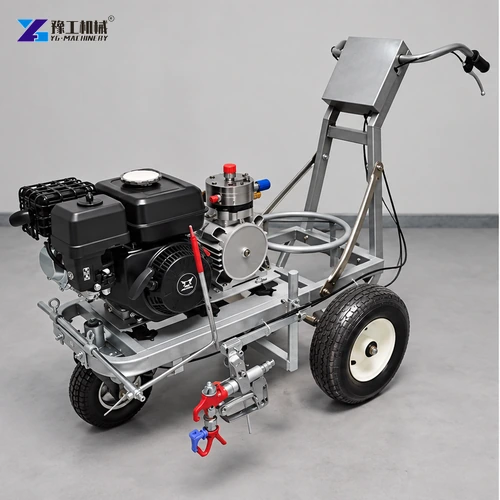
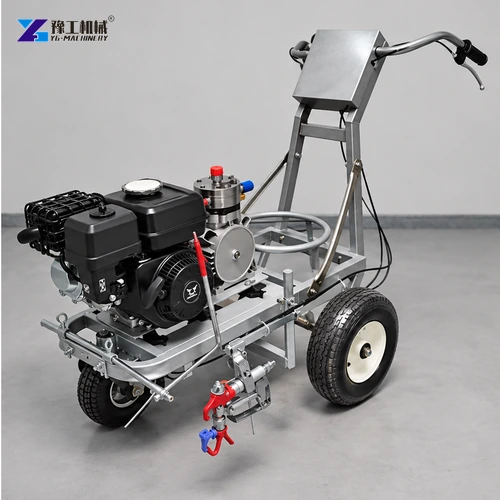
Ask for a model recommendation with the machine, guns or shoes, hoses, preheater where required, bead system, tools, wear parts, cleaning items, manuals, packing and test scope listed separately. A complete package is easier to compare and less likely to reach the site without a required application part.
Compare offers only after each identifies its paint path, application head, bead arrangement and cleaning scope; these items determine whether both packages can deliver the required road or parking pattern.
Pavement Marking Machine for Roads and Parking Areas FAQ
A compact cold-paint machine usually fits parking layouts, subject to the approved paint, width, pattern and site access.
No. Thermoplastic needs heated material and a marking shoe; cold paint uses a compatible pump, hose and spray gun.
Use measured marking area, specified thickness, material coverage and the real shift workflow rather than tank capacity alone.
Confirm line position, width, thickness, edges, coverage, bead distribution where required and opening time.
Request a Pavement Marking Machine Quote
For a pavement marking machine, specify the coating type, line width and pattern, road or parking layout, daily quantity, working temperature and site access. Those conditions determine the gun or shoe, bead equipment and whether the selected coating needs preheating.