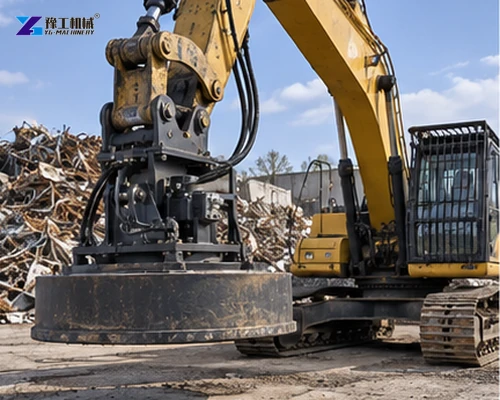
Selecting an excavator magnet attachment starts with job evidence, not a capacity headline. Define the ferrous material, pile geometry, working radius, handling result, access conditions and acceptance checks. Then match measured carrier flow and pressure to the magnet, generator, hoses and mounting. This guide gives commercial buyers a technically reviewable route to quotation.
The figures below are verified YG screening data supplied for this topic. They are useful for comparing a shortlist, but they do not replace a product-specific trial, load chart, ground review, coating test or material check. Keep the quotation tied to the actual application.
Begin with a short written brief: application, target output or geometry, operating environment, available utilities, operator arrangement and delivery constraints. A clear brief prevents a supplier from treating an unsuitable nominal value as an approved operating condition.
The relevant product page, excavator magnet for sale, is the right next reading for the general equipment family. This article narrows the decision to excavator magnet attachment generator matching, so the buyer can prepare useful evidence before requesting a formal configuration.
Send the carrier model and the intended scrap duty so YG can check the first-fit attachment range.
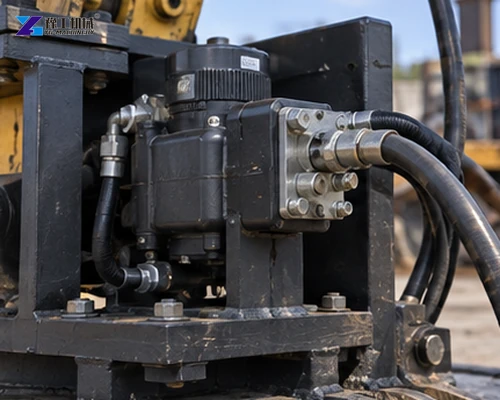
Separate fixed requirements from items that can be tested. Fixed requirements include carrier weight, auxiliary flow, relief pressure, coupler dimensions, magnet diameter, site access and available services. Test items include retention of representative scrap, clean release, heat behavior, operator visibility, cycle timing and hose movement. Record what is known, what must be measured and what YG must confirm; nominal carrier tonnage is not hydraulic evidence.
Do not fill gaps with assumptions. Record what is known, what must be measured and what must be confirmed by the manufacturer. That simple distinction is especially important when a published range contains several models or when an operating result depends on auxiliaries.
The site operation should be documented before the attachment arrives. Mark the loading and release zones, keep people outside the suspended-material path, and decide where the excavator will park during inspection or hose service. Note whether the magnet will work on a level pad, inside a transfer area or beside a truck, because reach and visibility change the handling sequence. A supervisor should be able to explain how the operator stops magnet power, isolates the generator and responds to a dropped or tangled load. These details are part of equipment fit, not paperwork added after purchase.
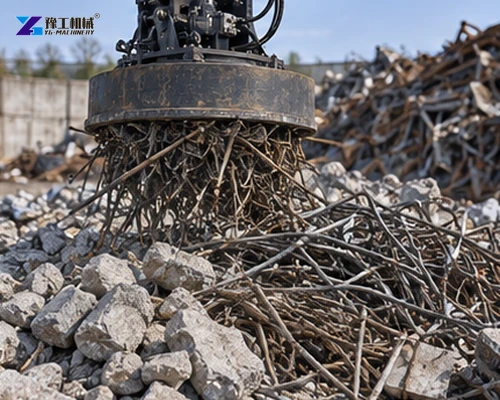
Also measure the material, rather than describing it only as scrap. Record typical piece length, thickness, contamination, moisture, nesting and the proportion of nonferrous items. A clean steel stream can behave very differently from mixed demolition debris. Photograph the pile from the operator position and from ground level, then mark the expected pickup height and travel distance. This evidence helps the supplier discuss magnet diameter, generator sizing and release behavior using the same working picture as the site team.
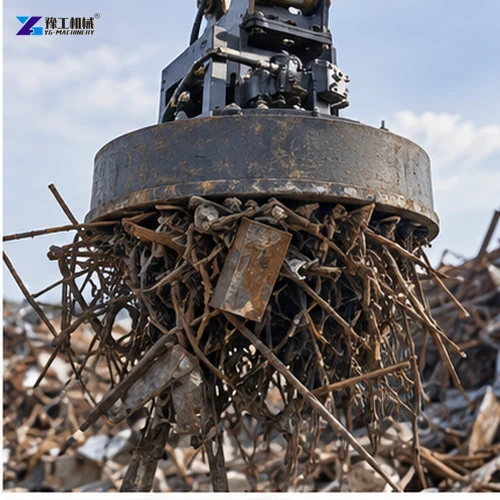
Use the table as a screening map. The Excavator Magnet Attachment parameters are presented in YG’s supplied units, and each row is a package. Mass, power, pressure, flow, dimensions and carrier range matter together; one number is not a lifting rating. Use the current YGML model table to match oil flow, pressure, power, attachment mass and carrier range. Confirm sustained hydraulic demand and cooling before approval.
At this stage, compare the smallest model that covers the verified requirement with the next practical alternative. Ask what changes in staffing, utilities, transport, setup or supporting equipment. A larger model may create a different site obligation, while a smaller model may leave too little margin for the real job.
Verified YG screening range
Carrier hydraulic-generator compatibility checklist
| Model | Suitable excavator | Weight | Power | Outer diameter | Oil flow | Pressure |
| YGML02 | 4–6 t | 1400 kg | 5 kW | 700 mm | 30–55 L/min | 170 bar |
| YGML04 | 7–11 t | 1500 kg | 8 kW | 800 mm | 50–100 L/min | 180 bar |
| YGML06 | 12–16 t | 1890 kg | 8 kW | 900 mm | 90–110 L/min | 190 bar |
| YGML08 | 17–23 t | 2000 kg | 10 kW | 1100 mm | 100–140 L/min | 200 bar |
| YGML10 | 24–30 t | 2200 kg | 10 kW | 1200 mm | 130–170 L/min | 210 bar |
| YGML14 | 31–40 t | 2500 kg | 15 kW | 1300 mm | 200–250 L/min | 250 bar |
| YGML20 | 41–50 t | 2800 kg | 15 kW | 1400 mm | 250–320 L/min | 250 bar |
Current YGML Excavator Magnet Matching Data
The previous legacy model references have been removed. The table now uses the current YGML02–YGML20 series from the official YG magnet page. Match carrier range, attachment weight, power, diameter, oil flow and pressure as one model-specific set.
These specifications do not state lifting capacity or tonnes per hour. Send the excavator model, verified auxiliary flow and pressure, scrap type, duty cycle, mounting details and site handling target for final confirmation.
For the operating detail that surrounds this purchase, read excavator attachments range. The useful question is not whether a machine has the biggest published specification; it is whether the chosen configuration can be set up, controlled and checked within the project’s actual envelope.
Make the acceptance test observable. Define the sample, route, dimensions, pressure or force reading, surface or ground condition, cycle, operator method and pass/fail record. If the result depends on a downstream step, include that step rather than accepting a machine-only demonstration.
Share your carrier model, flow and pressure readings so YG can review the proposed hydraulic-generator configuration.
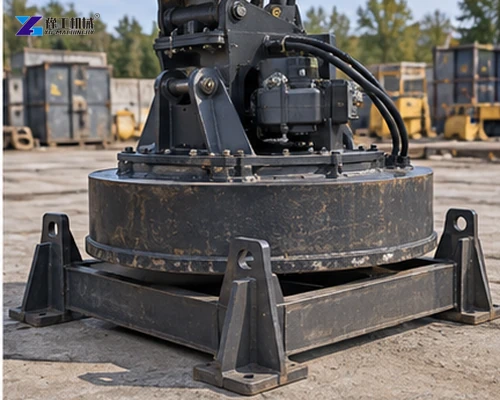
Magnet diameter and clearance decision
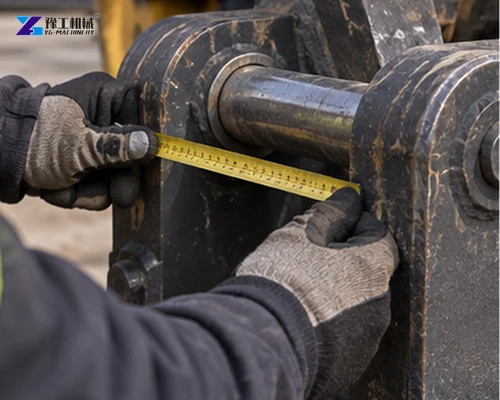
A short trial exposes missing information. Tangled scrap may need separation, the hose route may need new clamps, the support may need redesign, or the chosen diameter may lack clearance at the working radius. Define duty cycle as approach, energize, collect, travel, release, pause and repeat; state expected hours and ambient conditions so heat and controls can be reviewed honestly.
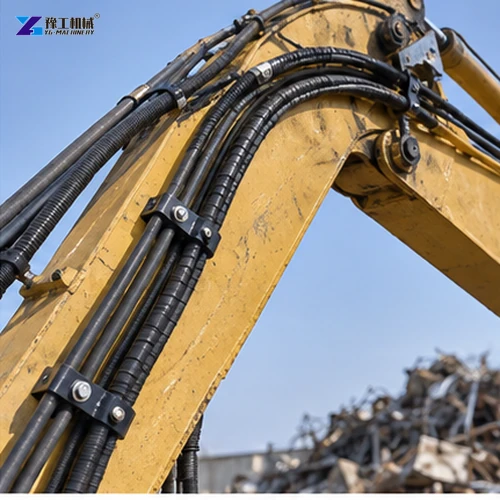
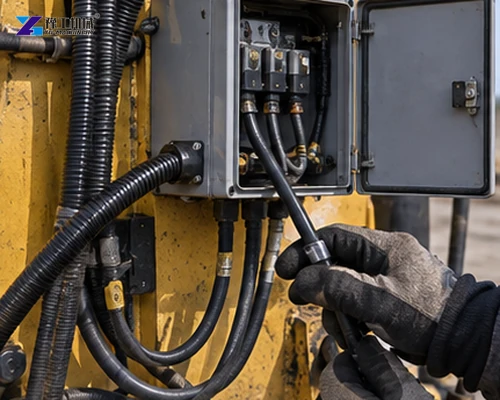
The final comparison should connect the machine to the work sequence. Note where material enters, where energy is supplied, how the operator observes the result, how interruptions are handled and how the equipment is cleaned, moved or secured. Inspect generator isolation, connectors, cable abrasion, return restriction, quick couplers and bend radius. Do not convert gauss into tonnes or promise tonnes per hour without a documented test. Include maintenance access, operator visibility and a release-zone check so the purchase file covers the complete working routine.
Hose routing and electrical protection
Request a quotation with the evidence attached rather than a bare keyword. Include drawings or photos, dimensions, input description, target result, site location, utilities, working hours, required accessories and the acceptance method. Ask the supplier to identify every assumption in the proposed configuration.
If the project also needs the broader range, use excavator attachments range. Keep that link in the decision path: it should help compare a compatible alternative or understand the surrounding workflow, not serve as an unrelated link-count exercise.
Attach site photos and mounting measurements so the quotation reflects the real coupler and hose envelope.
Duty-cycle trial and acceptance evidence
The buyer’s final checklist
Before approval, reread the proposed specification against the original brief. Check units, model names, included auxiliaries, limits, delivery envelope and trial conditions. Confirm which values are references and which items require project approval. Do not turn an indicative number into a guarantee in the purchase record. Also ask who supplies the coupler, hoses, generator controls and protection; identify the inspection point for each. Compare the quote against the same material sample, working radius and duty sequence used in the trial. Record the carrier’s measured flow and pressure, the selected diameter, attachment mass, generator wattage, cable route, mounting drawing, operating exclusions and the acceptance sign-off. This record helps maintenance teams understand why a model was chosen and gives procurement a clear basis for comparing revisions. If the job changes from loose scrap to demolition debris, or from intermittent sorting to long shifts, reopen the review rather than assuming the original package remains suitable.
A responsible handoff ends with a concise decision note: selected model or shortlist, why it fits the evidence, unresolved checks, test arrangement, required documents and the information the supplier still needs. Include photographs of the mounting interface, the carrier data sheet, the hydraulic test reading, the intended generator location and a sketch of hose and cable movement. Ask for the proposed attachment drawing and identify which dimensions are transport dimensions versus working dimensions. This creates a clean bridge from search research to a technically reviewable quotation. It also protects the buyer when several departments share the excavator: operations can review the cycle, maintenance can review access and replacement items, safety can review isolation and release zones, and procurement can compare scope without hiding an unverified assumption inside a low headline price. Keep the approved configuration with the machine records for future operators.
Tell YG your hours, cycle pattern, scrap mix and site conditions for a practical operating review.
Excavator Magnet Attachment FAQ
No. The supplied field references describe the magnetic specification only. They must not be converted into a load rating or tonnes-per-hour claim.
The carrier range is part of the published matching envelope. Mass, hydraulic pressure, oil flow, mounting and the intended scrap duty must all be reviewed together.
The table lists current YGML model ranges for carrier fit, mass, power, diameter, oil flow and pressure. Confirm the complete hydraulic and electrical package.
Yes. A controlled trial using representative material can check mounting, hose behavior, recovery and the actual handling workflow without inventing a productivity promise.
Send carrier model and flow/pressure data, material description, duty pattern, attachment dimensions, electrical requirements and site photos.