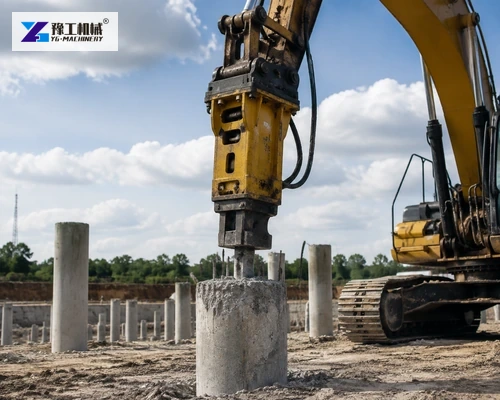
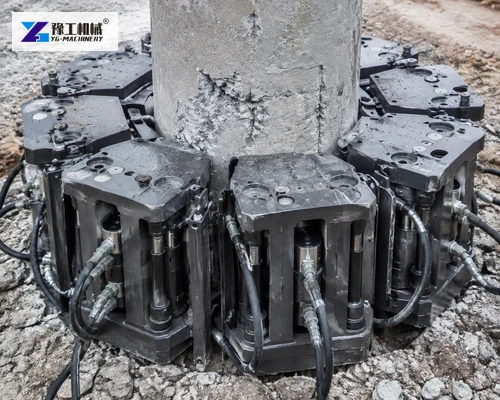
Pile head breaking removes surplus concrete to the specified cutoff level while preserving reinforcement and the sound pile below. The selection task is broader than matching a hydraulic tool to a nominal diameter. Pile shape, actual size, concrete strength and age, reinforcement layout, permitted damage zone, site access and debris handling all affect the practical method.
This guide focuses on the information required to plan a modular hydraulic pile breaker. It supports the existing product page without replacing its product-selection role. The final method statement, exclusion zone and acceptance criteria must be approved for the particular foundation project.
Define The Required Finished Pile Head
Start with the structural drawing and the specified cutoff elevation. Confirm how much reinforcement must remain exposed, whether starter bars may be bent, and what surface condition is acceptable for the next construction stage. Mark the allowable removal zone before equipment arrives.
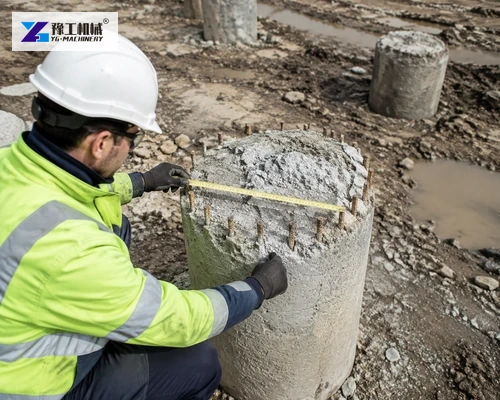
Measure actual piles at several locations. Nominal dimensions can differ from cast dimensions, and concrete bulges or misalignment may affect how modules sit around the head. Record whether piles are round or square and identify nearby caps, walls or temporary works that restrict tool access.
Also verify the vertical clearance needed to lower, open and remove the breaker. Compare this with excavator reach at the proposed standing position. The carrier should not work from an unverified edge simply to gain reach. Mark nearby completed piles and services that must be protected during relocation.
Published Hydraulic Pile Breaker Selection Envelope
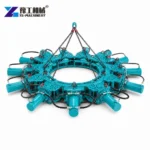
The hydraulic pile breaker page publishes the following general range. It is an initial configuration envelope, not a model promise for every combination.
| Selection item | Published range |
| Module quantity | 4–18 modules |
| Round pile diameter | 400–2500 mm |
| Square pile size | 250–650 mm |
| Maximum hydraulic pressure | 31.5 MPa |
| Maximum cutting height per cycle | 500 mm |
| Reference excavator class | 20–40 t |
| Power-pack options | 15, 22 or 30 kW |
| Module mass | 270–350 kg |
Not every row combines freely with every other row. The required module count and connection arrangement must be confirmed from actual pile geometry, while the carrier or power pack must be checked against the selected circuit. Do not infer a cutting result solely from the maximum hydraulic pressure.
Send the pile drawing, actual dimensions, concrete information and cutoff requirement so YG can review the feasible module arrangement.
CHECK MY PILE HEAD BREAKING PLAN
Module Count Follows Geometry And Contact
A modular ring must surround the pile in the intended working zone and position its breaking elements consistently. Too few modules may leave poor coverage; an unsuitable diameter range can prevent correct seating. Square piles require a compatible arrangement rather than a circular assumption applied to the diagonal.
Provide the minimum, maximum and typical measured dimensions. Include photographs showing reinforcement and surface irregularities. The supplier should return a configuration drawing or clear module arrangement for review. Confirm how the suspended tool will be aligned and prevented from striking exposed reinforcement.
If the project contains several pile schedules, group them by shape, measured size and reinforcement rather than assuming one setting. State how modules will be added, removed or repositioned between groups and who will verify the new ring before work resumes.
Concrete And Reinforcement Change The Work Sequence
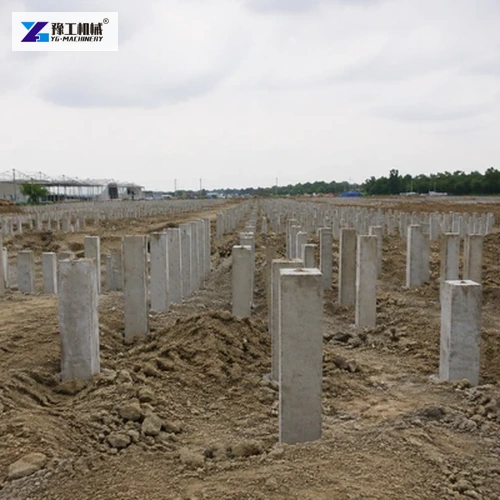
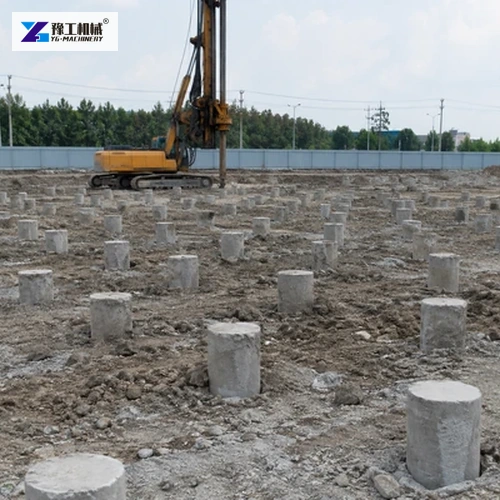
Concrete strength at the time of removal affects fracture behavior. Young concrete may tear or damage the remaining surface, while mature high-strength concrete may require a different sequence. Obtain project test information instead of estimating strength from appearance. Identify additives, precast construction or unusual pile materials.
Reinforcement location controls the acceptable breaking direction and remaining bar protection. The pile breaker is intended to fracture surrounding concrete, not to use reinforcement as a support. Plan how loosened pieces will be lifted away and how residual concrete near bars will be finished without cutting required steel.
Trial Pile And Acceptance Criteria
A representative trial should establish the working height, operating sequence and finishing effort. Inspect the retained pile for cracks, spalling below cutoff and reinforcement damage. Agree who accepts the result before production continues. Record settings and cycle observations rather than relying on a photograph alone.
Provide concrete strength records and reinforcement drawings when the project needs a trial configuration and acceptance checklist.
Choose The Carrier Or Power Pack As A System
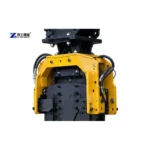
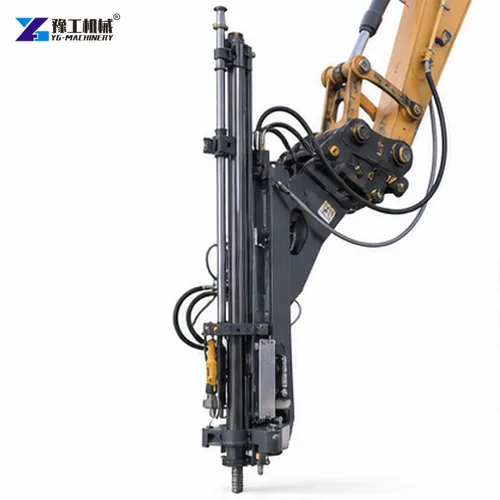
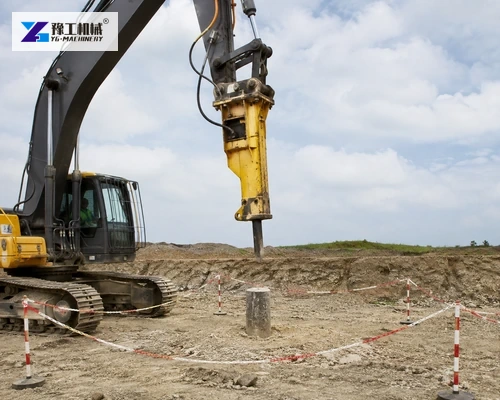
Carrier tonnage is only a preliminary reference. Verify rated lifting capacity at the actual radius for the suspended breaker, including bracket, hoses and lifting components. Confirm auxiliary hydraulic pressure and flow, return routing and control method. The carrier must remain stable while positioning the tool and handling broken material.
Where a separate power pack is used, check output against the selected module circuit, along with electrical supply, cable route, ventilation and environmental protection. Hose length affects routing and pressure loss. Protect connections from crushing and keep personnel clear of pressurized lines.
Plan A Repeatable Production Cycle
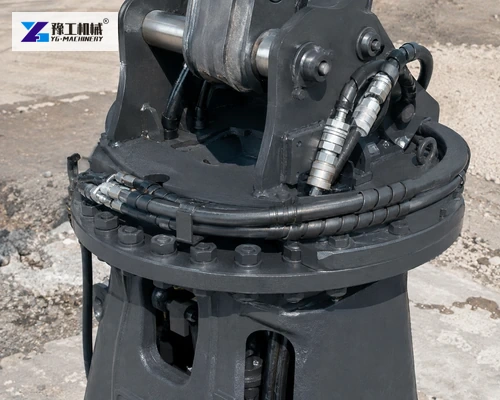
Map the sequence from marking and tool positioning through fracture, concrete removal, bar cleaning and inspection. Measure productive cycle time separately from excavator relocation, hose handling and debris transport. A faster fracture is not useful if the crew waits for lifting or disposal after every pile.
Keep broken concrete away from finished pile heads and access routes. Provide a suitable attachment or lifting method for fragments; do not allow workers to stand beneath the suspended breaker or loosened material. Recheck the exclusion zone whenever the carrier moves.
Estimate daily output from the representative trial and include normal relocation, inspection and maintenance. Report a range instead of multiplying the fastest observed fracture cycle by the entire shift. Weather, pile spacing and fragment handling can change the achievable rate even when the breaker setting remains unchanged.
The project team should also define contingency work. Local hand finishing may be required around reinforcement or at a nonconforming surface, but it should not become an unmeasured part of the normal production claim. Track these hours separately so method changes are based on evidence.
The maximum published cutting height per cycle is a boundary, not a recommended lift for every pile. Multiple controlled passes may give a better finish depending on concrete, reinforcement and required removal height. The trial determines the approved production sequence.
Send pile quantity, spacing, removal height and site layout so the complete breaker, carrier and debris-handling cycle can be compared.
CONFIRM MY PRODUCTION CONFIGURATION
Quality Checks During Production
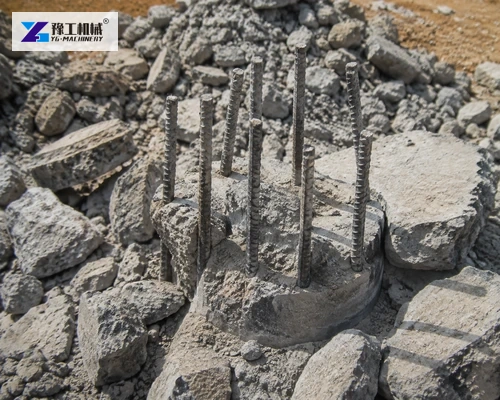
Confirm cutoff markings and tool alignment before every cycle. After removal, inspect the retained concrete and bars against the approved trial. Record deviations, damage and additional finishing. If fracture behavior changes, check concrete condition, module contact and hydraulic performance before adjusting the sequence.
Maintenance also influences consistency. Inspect module pins, hoses, couplings and breaking elements at the specified intervals. Replace worn or damaged components using the approved procedure. Maintain a clear record linking equipment configuration to the piles completed.
Send the verified project data when you are ready for a hydraulic pile breaker configuration and quotation.
REQUEST A PILE BREAKER CONFIGURATION
Pile Head Breaking FAQ
No. Provide actual measured minimum and maximum dimensions, shape, surface irregularities, reinforcement and the intended working elevation.
No. Module count and geometry must create suitable contact around the actual pile. The supplier should confirm each required range.
Required reinforcement must be preserved according to the structural design. The method statement should define exposure, cleaning and any permitted bar work.
A useful trial uses representative concrete and reinforcement, records the complete cycle and verifies the retained pile against agreed acceptance criteria.