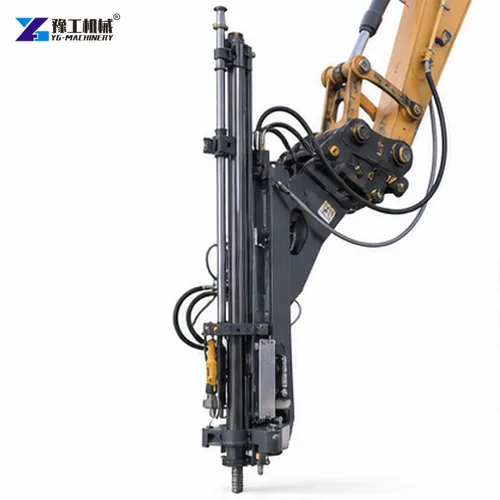
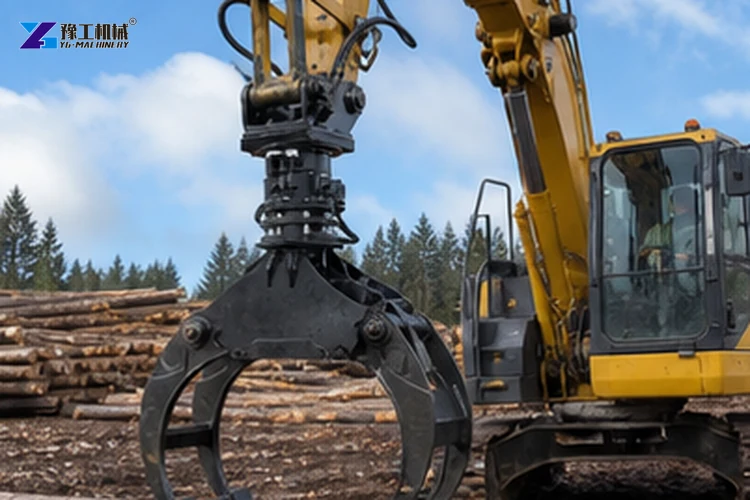
A customer in the United States ordered an excavator log grapple from YG in June 2024. The order confirms a real supply relationship, while the selection lesson applies to timber yards, land-clearing contractors and recycling operations: a grapple must be matched to the carrier, the object being handled and the required control. Excavator tonnage gives only a starting range. Log diameter, bundle size, material length, working radius and rotation requirements determine whether the attachment can grip and position loads effectively.
YG approached the request as a handling problem rather than a generic attachment sale. The proposal needed to establish what the customer would pick up, how the excavator would approach it, where the load would be placed and which hydraulic functions were available. This case explains those checks without disclosing the customer’s identity or private commercial details.
What Did The US Customer Need The Log Grapple To Handle?
The useful starting point was a description of the normal load and the largest expected load. Straight logs, brush, roots, scrap timber and irregular demolition wood behave differently inside a grapple. Buyers should provide typical diameter, maximum diameter, length, approximate weight and whether material is handled individually or in bundles. A wide opening helps accept bulky material, but tine shape and closing geometry decide whether smaller objects remain controlled.
The work cycle also affects configuration. Loading a truck from a sorted pile requires repeated pickup, rotation and placement, while land clearing involves irregular objects and ground contact. A timber yard may prioritize precise rotation and smooth stacking. YG therefore needed the application and duty cycle so the attachment would be evaluated for the real movement pattern, not only maximum capacity.
How Did YG Check Carrier And Hydraulic Compatibility?
Carrier operating weight was checked against attachment weight and the load carried at the planned radius. The excavator must remain within its approved lifting limits throughout pickup, swing and placement. A load that appears manageable close to the machine may exceed capacity when the boom is extended or the machine is positioned on uneven ground. Buyers should use the carrier load chart and include the grapple weight in the calculation.
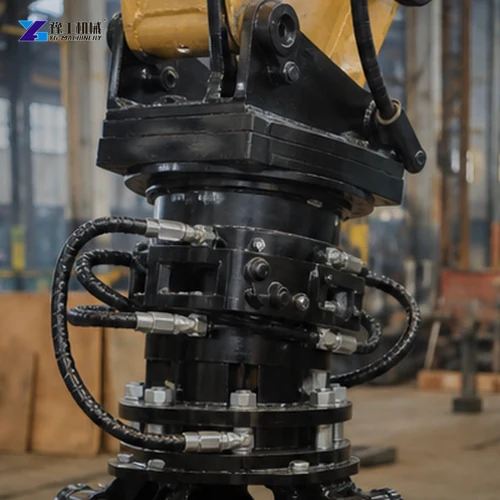
The hydraulic review covered opening and closing flow, pressure, rotation circuit and return conditions. If the grapple rotates hydraulically, the carrier needs a compatible auxiliary function and correctly routed hoses. Too little flow slows the cycle; uncontrolled excess flow can cause heat or abrupt movement. YG also checks fittings, hose length and protection so the grapple can move through its working envelope without pulling or crushing a line.
| Project Information | Selection Effect | Buyer Evidence |
| Typical and maximum log diameter | Opening and tine geometry | Measurements and photographs |
| Load length and weight | Grip stability and carrier capacity | Estimated weight or material record |
| Working radius | Allowable load and attachment mass | Excavator load chart |
| Required rotation | Hydraulic circuit and control | Carrier auxiliary specification |
| Truck or stockpile layout | Reach and placement method | Simple site sketch |
US buyers can send this information with the excavator model and linkage measurements for an attachment recommendation based on the complete handling cycle.
Why Did Jaw Shape Matter More Than Opening Alone?
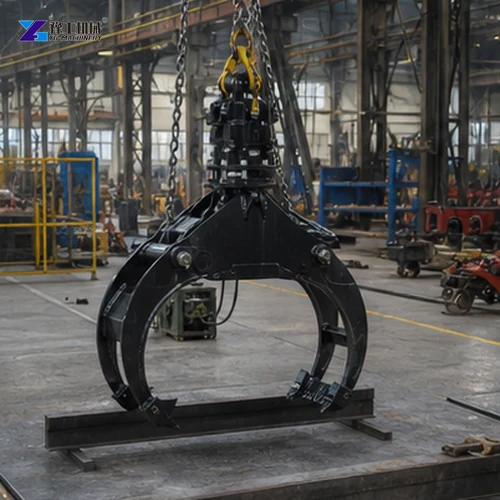
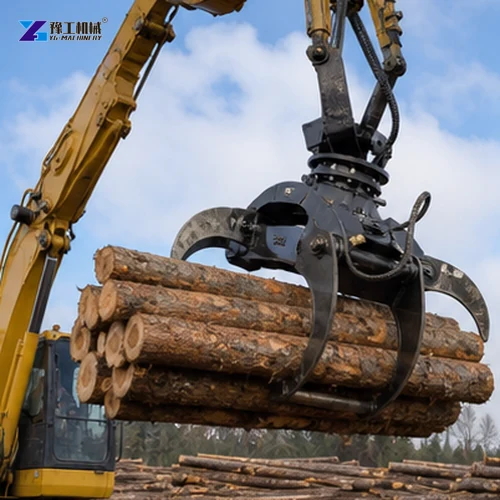
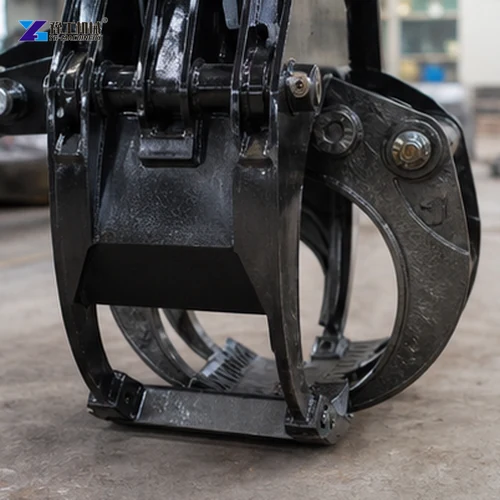
Maximum opening shows whether an object can enter the grapple, but it does not prove that the load will remain secure as the jaws close. Curved tines should surround the intended material and maintain useful contact across the normal diameter range. If the load is much smaller than the design range, the jaw tips may meet before the material is controlled. If it is too large, the load may sit outside the stable gripping zone.
For mixed brush or roots, tine spacing influences whether loose material escapes during handling. For sorted logs, fewer robust contact points may be suitable. The buyer should identify whether precision placement or bulk cleanup is the main objective. Wear edges, pins and replaceable bushes also deserve attention because repeated rotation and uneven loads can create clearance that reduces control.
Need help matching the configuration to your project? Send the working conditions and YG can review the practical equipment scope for Excavator Log Grapple For Sale In The USA.
How Was Installation And Commissioning Planned?
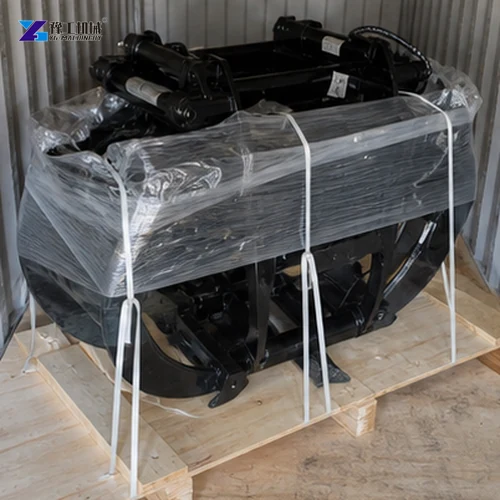
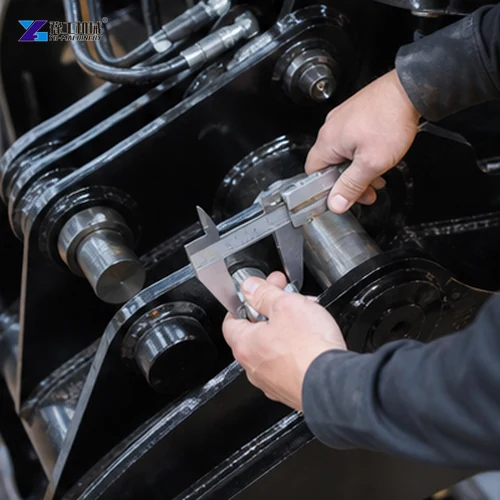
Before shipment, bracket dimensions must match the excavator pin diameter, pin centers and inside ear width or the specified quick coupler. During installation, the team checks pin retention, lubrication, hose connections and full clearance. The grapple is first opened, closed and rotated without load. A light representative load is then handled close to the ground before the operator progresses to the normal working cycle.
Commissioning should confirm that the load remains controlled through lift, rotation and placement and that the excavator stays stable. Operators must not use the grapple as a side-loading lever or drag suspended material. The approved procedure should define exclusion zones, maximum working radius, travel position and the conditions under which a spotter is required.
What Maintenance Keeps A Log Grapple Productive?
Daily checks include jaw and tine wear, pins, bush clearance, cylinder pins, hoses, fittings, rotation components and structural welds. Grease points should be serviced at the specified interval, especially in dusty timber yards or abrasive land-clearing work. Loose material around the rotation unit should be removed before it damages seals or restricts movement.
The spare-parts plan should reflect working hours and material. Common service items can include bushes, seals, hose fittings, grease components and wear parts. Recording clearance and leak observations helps maintenance occur before grip accuracy deteriorates. YG can include recommended spares and documentation in the quotation when the customer provides the expected duty cycle.
Related carrier planning is covered in the YG mini digger attachments guide, ripper tooth product page and excavator attachment workflow guide. These tools serve different tasks and should not be treated as interchangeable.
Excavator Log Grapple For Sale In The USA FAQ
Carrier weight identifies a preliminary range, but load size, working radius, linkage, hydraulic flow, pressure and rotation must also be verified.
Give typical and maximum diameter, length, approximate weight, material type and whether objects are handled singly or in bundles.
Rotation improves positioning in many loading and sorting applications, but it requires a compatible hydraulic circuit and control.
Travel and load-handling limits must follow the excavator and attachment instructions plus site safety rules. Loads should remain low and controlled.
Send carrier model, linkage or coupler dimensions, hydraulics, load data, working radius, site layout, destination and desired spares.
Need help matching the configuration to your project? Send the working conditions and YG can review the practical equipment scope for Excavator Log Grapple For Sale In The USA.
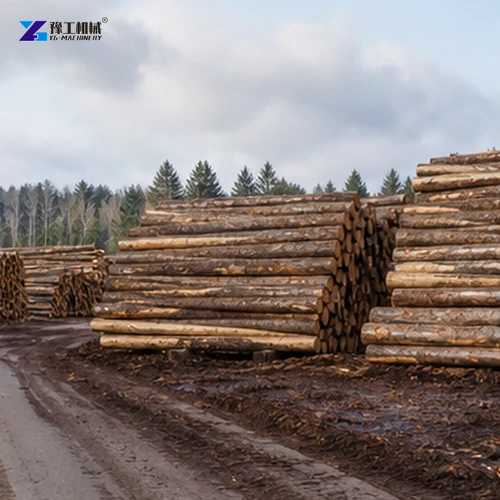
Prepare The Load Data Before Requesting A Grapple
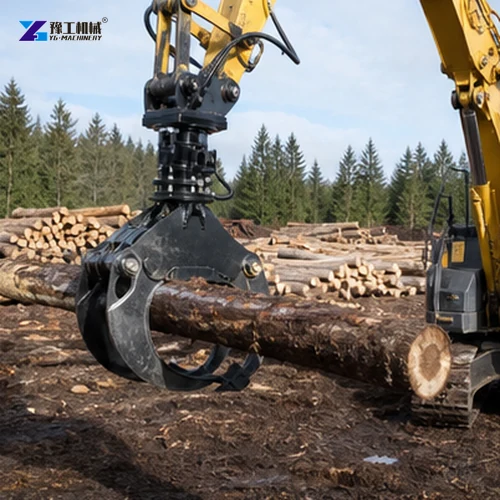
A useful quotation starts with the objects being handled and the full pickup-to-placement route. Send YG photographs, log dimensions, estimated weights, carrier data, working radius and attachment interface. The technical team can then review jaw geometry, hydraulic requirements, attachment mass and installation items and prepare a proposal that reflects the US project rather than a generic grapple listing.