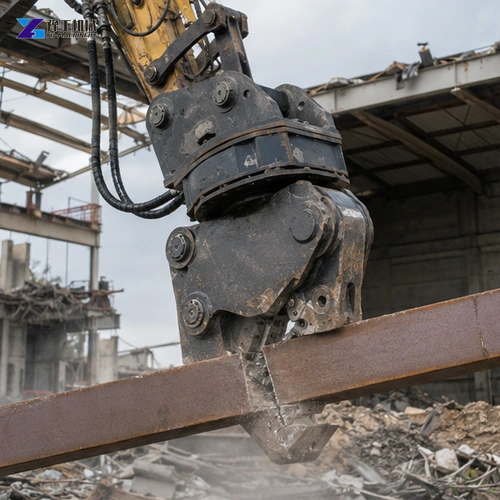
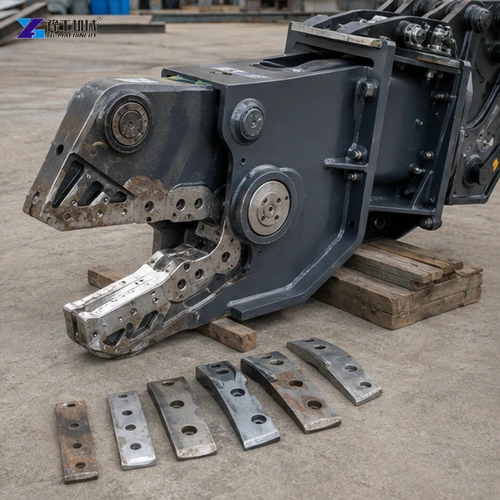
Hydraulic shear price changes with the steel being processed, the excavator carrying the attachment and the supplied connection package. An attachment that fits the carrier by tonnage can still be unsuitable if its mass reduces stability at the working reach, if jaw opening cannot accept the member or if the auxiliary circuit cannot provide the required flow and pressure.
The application should be defined before model numbers are compared. YG needs material dimensions, presentation, daily production target, installation point, excavator model, load chart and hydraulic data. Rotation, coupler, hoses, bracket, blades, freight and commissioning scope must also be visible. This guide explains those cost drivers without pretending that one price applies to every demolition or recycling project.
Which Cutting Task Should Be Defined First?
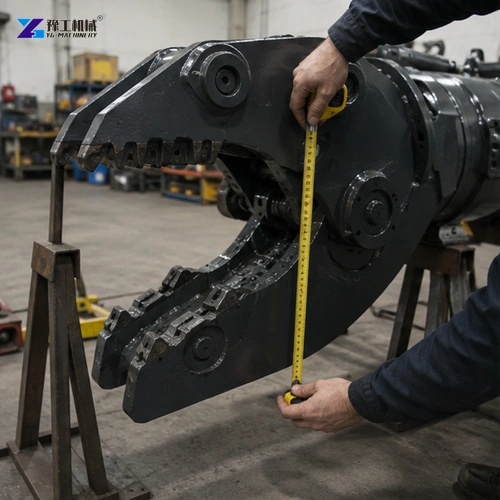
Describe the material by section type, dimensions, wall or plate thickness, grade where known and condition. A loose beam on the ground presents differently from a fixed frame at height. State whether the work is primary demolition, downsizing, sorting or scrap preparation and show how the operator can approach and support the steel.
Photographs should include a scale and represent normal as well as difficult members. Record reinforcement, bolts, concrete contamination and enclosed sections that may affect the cut. If the attachment must separate mixed material, define which result counts as accepted and how much secondary handling is permitted.
Production targets should use accepted pieces or tonnes over a complete shift, including repositioning, sorting, blade inspection and carrier movement. Cutting speed for one convenient sample does not establish site output. These facts allow a hydraulic shear price to be tied to the task instead of to an unsupported promise about “maximum steel.”
Send the material list, work sequence and representative photographs. YG can identify the jaw and carrier range that deserves detailed checking.
How Should The Excavator And Installation Point Be Matched?
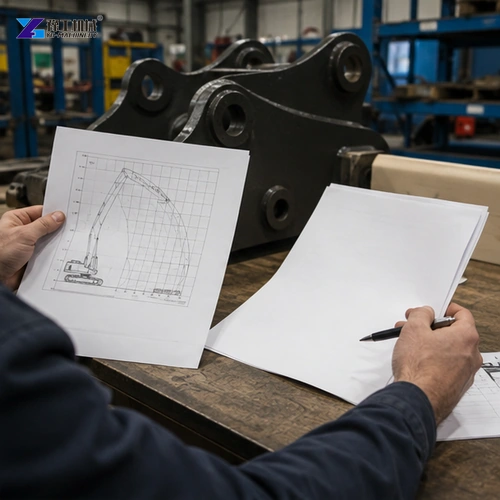
Provide excavator make, model, operating weight, boom and arm arrangement, coupler information and load chart. The attachment’s listed carrier range is an initial guide, not permission to install. Stability, hydraulic capacity and structural suitability must be checked by the responsible equipment parties at the intended reach and orientation.
Arm and boom installation can have different model ranges. The selected position changes reach, leverage, attachment handling and the bracket supplied. Confirm pin dimensions, center distances, ear width, coupler type and hose connection. If the carrier also uses other attachments, explain how often it will change and how circuits are shared.
The Spanish demolition shear case provides application context, while the final match must still use the buyer’s own carrier data. Do not copy a case model simply because excavator tonnage appears similar.
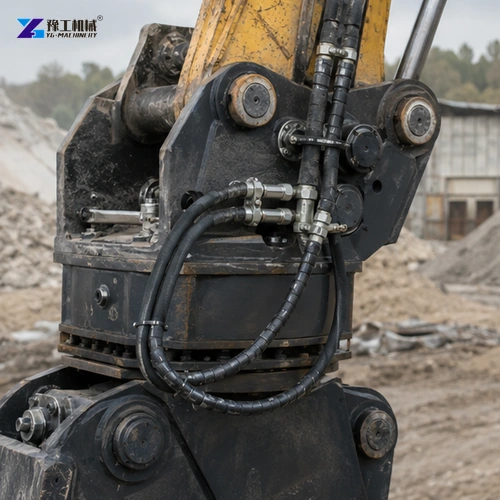
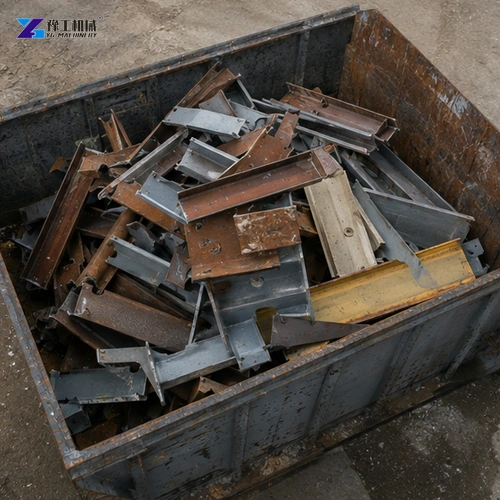
Which Published YG Parameters Narrow The Choice?
The selected models below come from the YG excavator shear attachment range. They provide preliminary arm and boom classes, hydraulic requirements, attachment mass and jaw geometry. Final compatibility and cutting performance require project review.
| Published Parameter | YG180RT | YG330 | YG430 | YG580 | YG780 | YG980 |
| Arm Installation Excavator | 13–17 t | 25–35 t | 40–50 t | 51–65 t | 68–90 t | 91–110 t |
| Boom Installation Excavator | 10–12 t | 20–28 t | 28–39 t | 40–50 t | 51–65 t | 66–90 t |
| Working Pressure | 250–300 bar | 300–320 bar | 320–350 bar | 320–350 bar | 320–350 bar | 320–350 bar |
| Required Flow | 90–110 L/min | 200–250 L/min | 250–300 L/min | 275–375 L/min | 500–600 L/min | 600–700 L/min |
| Attachment Weight | 1100 kg | 3000 kg | 4500 kg | 5800 kg | 7800 kg | 9800 kg |
| Rotating Flow | 30–40 L/min | 30–40 L/min | 30–40 L/min | 30–40 L/min | 50–60 L/min | 55–65 L/min |
| Rotating Pressure | 90–100 bar | 100–115 bar | 100–115 bar | 100–115 bar | 140–150 bar | 170–190 bar |
| Jaw Opening | 375 mm | 595 mm | 700 mm | 780 mm | 860 mm | 950 mm |
| Cutting Depth | 395 mm | 630 mm | 720 mm | 780 mm | 850 mm | 940 mm |
| Overall Length | 2100 mm | 3200 mm | 3700 mm | 4000 mm | 4300 mm | 4600 mm |
Carrier ranges should be read with installation position and the carrier load chart. Required flow and pressure must be available within a controllable auxiliary circuit. More flow than listed is not automatically better and may increase heat or damage risk. The rotation circuit has separate requirements that must be included in the hose and control plan.
Jaw opening shows whether the member can enter the tool, while cutting depth describes geometry rather than guaranteed material capacity. Actual cutting depends on material grade, thickness, orientation, blade condition and how the workpiece is supported. Attachment weight affects transport and carrier stability, especially at height or extended reach.
Provide the excavator data sheet and intended installation point so YG can compare a short list against hydraulic and load limits.
Which Hydraulic And Connection Items Affect The Price?
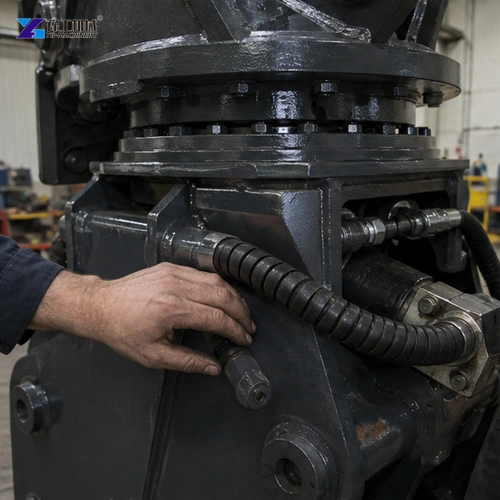
The base attachment needs a bracket or coupler interface, opening and closing circuit, rotation circuit where fitted, hoses, fittings and controls compatible with the excavator. State available auxiliary flow and pressure, return arrangement, port sizes and whether other attachments share the system. A photo of existing connections is useful but does not replace technical data.
How Should Flow And Pressure Be Verified?
Use measured or manufacturer-confirmed carrier data at the relevant engine and control settings. Relief pressure, back pressure and oil temperature matter during repeated cycling. Commissioning should set the circuit within the attachment’s requirement and confirm smooth open, close and rotate functions without leaks or abnormal heating.
What Belongs In The Mechanical Interface?
Pin diameters, spacing, ear width, coupler geometry and required pickup orientation must be recorded. The proposal should identify whether the bracket is included and whether the customer supplies an existing coupler. Hose protection and routing should prevent rubbing, crushing and excessive bending through the full boom movement.
Once hydraulic and interface data are complete, YG can itemize the connection scope and avoid treating essential installation parts as later extras.
How Do Rotation And Blade Service Affect Ownership Cost?
Continuous or controlled rotation can help present steel to the jaws, sort cut material and reduce excavator repositioning. Its value depends on the work method. Ask what rotation components, controls and protection are included. The operator must maintain a clear view and avoid using rotation to force a misaligned member into the cut.
Blades are wear components. Confirm replaceable sections, adjustment method, usable edges, bolt access and recommended inspection. A cutter that is difficult to service can lose production even when the purchase price is low. Stocking the appropriate blades, seals and routine spares should be part of the ownership plan.
Estimate cost per accepted tonne or work package. Include carrier fuel, attachment changes, sorting, blade service, hose maintenance, transport and downtime. The shear and screening project shows how attachments can serve different steps in one material route, but each tool and changeover should be justified by the buyer’s actual process.
What Should A Representative Cutting Trial Prove?
Use agreed samples that represent normal work and the difficult end of the stated range. Record material, dimensions, grade where known, support, cutting orientation, attachment model, carrier, flow, pressure and cycle observations. Inspect blade condition before and after the trial. One dramatic cut without data does not prove repeatable performance.
Acceptance may cover ability to grip and present the member, cut result, cycle time, controllability, oil temperature and visible wear. Site production must still account for repositioning, sorting and carrier movement. If the buyer changes steel type or thickness after the test, the result should not be treated as evidence for the new duty.
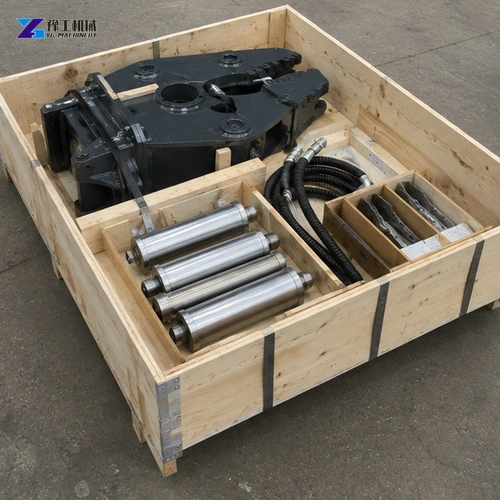
The order scope should list shear model, bracket or coupler, pins, hoses, fittings, rotation system, controls, blades, spares, packing, freight basis, documents, installation and commissioning. Include exclusions and the data used for carrier approval. This is the correct basis for comparing hydraulic shear price between suppliers.
Send the carrier and material evidence for a documented model and scope review before purchase.
Hydraulic Shear Price FAQ
No. Installation point, load chart, attachment mass, hydraulic flow, pressure, coupler and working reach also require verification.
No. It describes tool geometry. Cutting capability depends on material, section, grade, orientation, support and blade condition.
Confirm it explicitly. Rotation components, flow, pressure, controls and hose scope should be itemized.
Base the spare package on the selected model, expected steel, working hours and supplier maintenance guidance; blades and seals are common planning items.
Use the same material, support, carrier settings, acceptance criteria and complete work cycle, with all conditions recorded.
A valid hydraulic shear price covers an attachment that matches the real steel task, carrier and installation boundary. Published ranges narrow the options, while load-chart review, hydraulic verification and a representative trial establish suitability. Itemizing the interface, rotation, blades and support scope prevents a low base number from hiding essential costs.