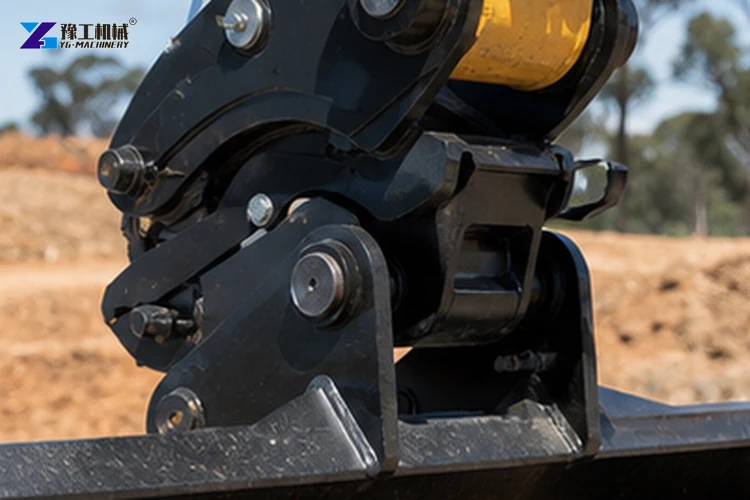
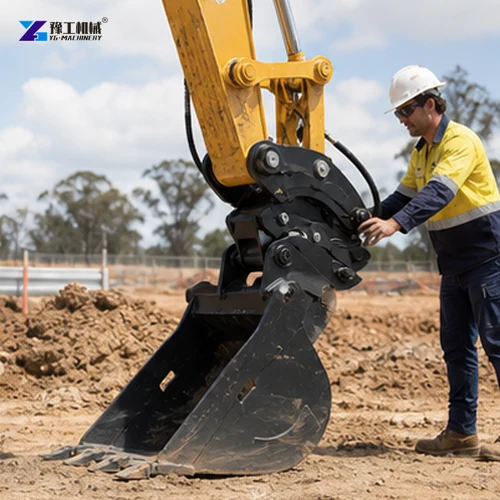
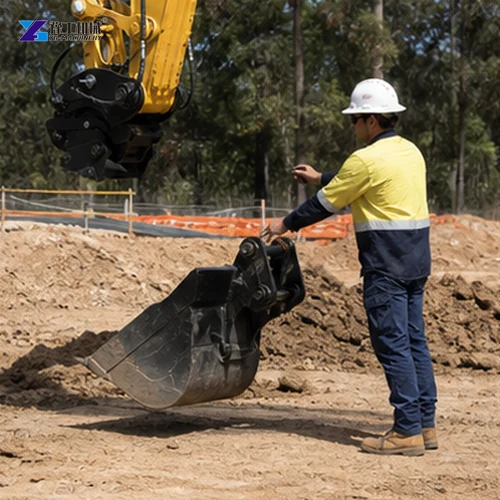
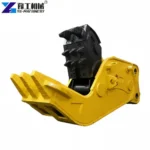
An Australian customer purchased a double-lock excavator quick coupler from YG in October 2024. The order is a useful reference because a coupler is not selected as a generic accessory: it must match the excavator linkage, the attachment pin geometry and the operating method used on site. A dimensional error can prevent pickup, reduce curl clearance or create an unsafe locking condition.
The YG solution focused on confirmed measurements and a locking arrangement that gives the operator a positive attachment-retention system. This case explains how buyers can prepare the same information before requesting a coupler for construction, earthmoving, landscaping or attachment fleets in Australia.
Why Was A Double-Lock Coupler The Appropriate Request?
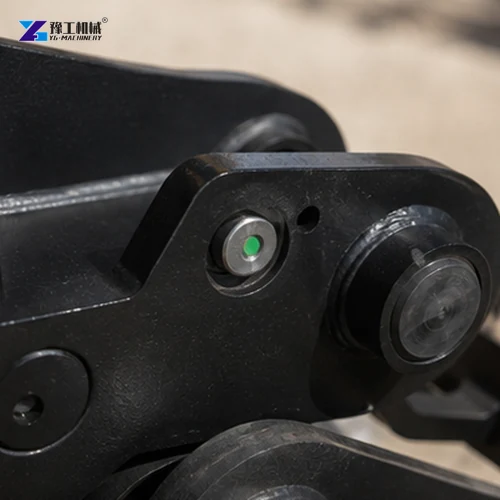
The customer needed faster attachment changes without treating speed as the only requirement. A double-lock design provides two retention functions so an attachment is not dependent on one hydraulic action alone. The exact mechanism varies by configuration, but the purchasing goal is consistent: the coupler should hold the attachment pins through the intended range of movement and provide a clear locking check before work begins.
This does not remove the operator’s responsibility to inspect the connection. The correct procedure includes placing the attachment on stable ground, engaging both pin interfaces, operating the locking system, checking the indicator or retention position and performing a controlled curl test. Australian site procedures may add specific inspection and documentation requirements, which should be incorporated into training.
Which Measurements Did YG Need Before Manufacturing?
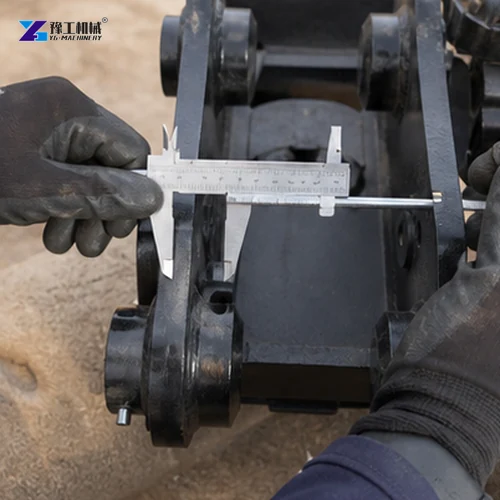
The essential linkage data includes front and rear pin diameters, pin-center distance, inside ear width and the shape of the excavator linkage. The attachment side also matters because buckets and tools may use different pin centers or widths. When the coupler must pick up an existing fleet, the buyer should measure representative attachments and identify any exceptions rather than assuming every tool uses one standard.
YG can review a dimension sheet, clear photographs and the excavator model together. Model information is helpful, but direct measurements protect against regional variations, previous modifications and non-original buckets. The review also considers coupler height and geometry because those dimensions can alter breakout force, bucket rotation and clearance near the arm.
Information To Provide
Why It Matters
How To Verify
Excavator model and weight
Screens coupler capacity
Machine plate and manual
Pin diameters
Controls hook and lock fit
Measure clean unworn pins
Pin-center distance
Controls pickup geometry
Measure center to center
Inside ear width
Controls lateral clearance
Measure between attachment ears
Attachment list
Checks fleet compatibility
Record bucket and tool dimensions
Hydraulic circuit
Supports lock operation
Confirm pressure, hoses and controls
If several attachments differ, YG should receive a marked table rather than one averaged measurement. That allows the buyer to decide whether one coupler can serve the fleet or whether selected tools need new brackets.
How Was The Coupler Integrated With Existing Attachments?
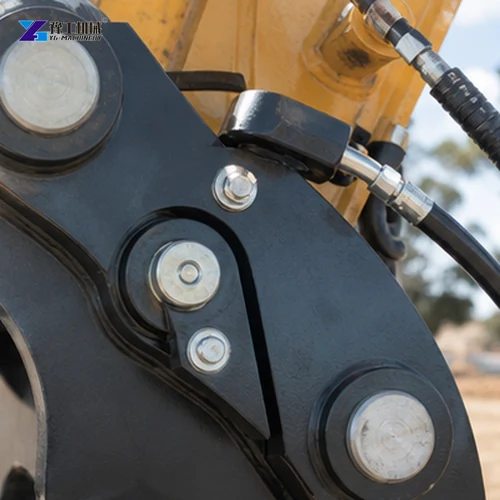
Compatibility was treated as a system question. The coupler, excavator linkage and each attachment form one connection chain. The proposal therefore needed to account for pin engagement, side clearance, hose routing and the working envelope after installation. A coupler that connects physically but limits full curl or contacts the linkage is not a complete match.
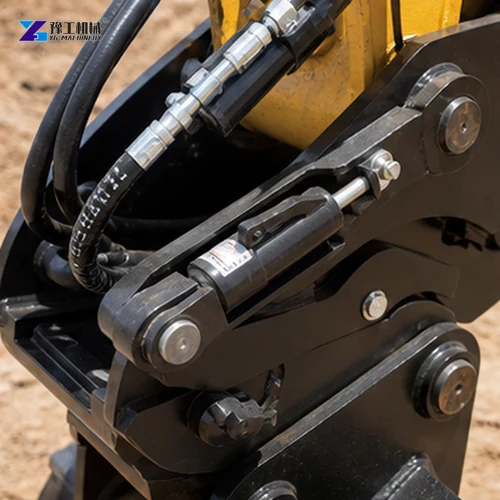
For hydraulic locking, the installation plan includes hose length, protection, fittings and control arrangement. Hoses need enough movement for the full linkage cycle but should not hang where they can be crushed or snagged. The lock must remain engaged under the specified conditions, and the operator needs a straightforward method to confirm its status from the cab and during ground inspection.
Need help matching the configuration to your project? Send the working conditions and YG can review the practical equipment scope for Double Lock Quick Coupler For Sale In Australia.
Commissioning begins with the coupler unloaded. The installer checks pins, bushes, mounting hardware, hydraulic connections and the operation of both retention functions. Each intended attachment is then picked up on level ground. The operator curls the tool slowly through its usable range, checks clearance and performs the manufacturer’s retention test before applying working load.
The inspection record should identify which attachments were tested and any tools excluded from use. Wear changes dimensions over time, so the maintenance plan must define acceptable clearance and the points that require lubrication. Dirt packed around the lock can hide incomplete engagement. Cleaning and visual inspection are therefore part of every change, not occasional maintenance.
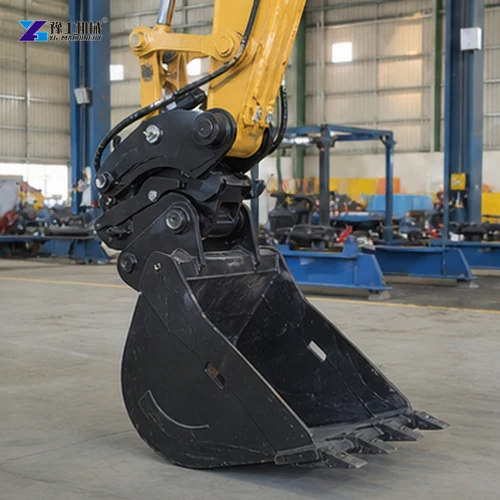
Factory Coupler Fit Test
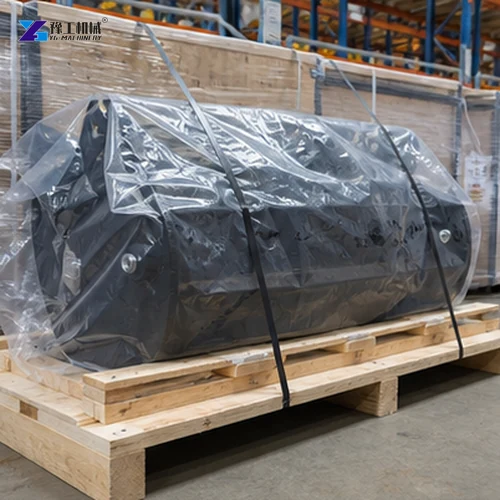
Quick Coupler Export Packing
How Does A Quick Coupler Change Daily Work Planning?
A coupler can reduce manual pin handling and make it practical to move between a bucket, ripper, breaker or other compatible tool during one shift. The production benefit is greatest when attachments are staged safely and operators follow a consistent change procedure. Poor staging can offset the time saved if hoses are contaminated, tools are unstable or the next attachment cannot be approached correctly.
The buyer should include attachment stands, hose caps, identification marks and spare wear components in the operating plan. Operators need to know which tools require auxiliary hydraulic connections and which can be changed mechanically after coupling. This keeps the double-lock coupler part of an organized attachment system rather than a standalone device.
Double Lock Quick Coupler For Sale In Australia FAQ
Can One Coupler Fit Every Attachment?
Only when the pin geometry, ear width, pickup range and working clearance of each attachment fall within the coupler specification.
Why Are Direct Measurements Required?
Machine models can have regional or modified linkages. Direct pin and spacing measurements confirm the actual connection.
Does A Double Lock Remove The Need For Inspection?
No. The operator must verify full engagement and complete the prescribed retention test after every attachment change.
What Hydraulic Information Is Needed?
Confirm the available locking circuit, pressure, fittings, hose route and cab control arrangement.
What Should Be Included In An Australian Quote Request?
Provide carrier model, linkage measurements, attachment list, coupler type, hydraulic details, site use, destination and required documentation.
Need help matching the configuration to your project? Send the working conditions and YG can review the practical equipment scope for Double Lock Quick Coupler For Sale In Australia.
To request a comparable proposal, send YG the excavator plate, linkage drawing or measurements and a list of attachments that must be picked up. Add photographs showing the pin areas and note any non-standard brackets. YG can then confirm the coupler size, locking configuration, installation items and compatibility limits before preparing a quotation for the Australian project.