Restricted-access lifting is decided by the actual route, not an advertised maximum capacity. Doorway width, turning space, working radius, floor condition and the final setup area all determine whether a compact crane can complete the planned lift.
Before choosing a configuration, map the machine entry path, load weight, pick point, set point and required lift height. A complete lift brief gives YG the information needed to discuss capacity at the real working radius and a practical setup plan.
Restricted Access And Load Path
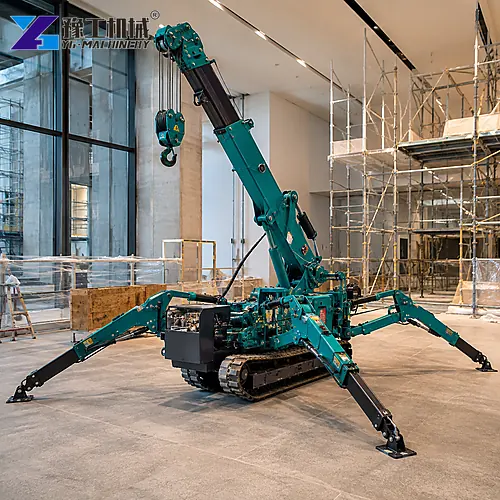
Measure the doorway, route, turning points and destination before deciding where the crane will be positioned. The team needs room not only for the machine but also for outrigger deployment, the load, the rigger and the required exclusion zone.
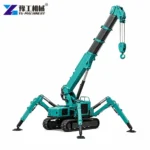
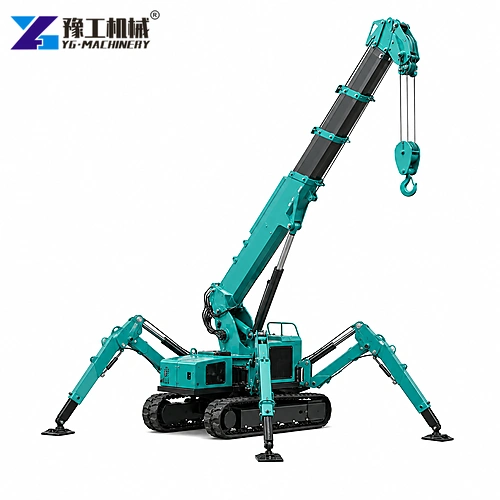
A Tracked Mini Crane can work close to the lifting point, but the final radius remains central to safe capacity planning. Record the pick point, set point, load weight and lifting accessory so the YG team can discuss a configuration around the real path.
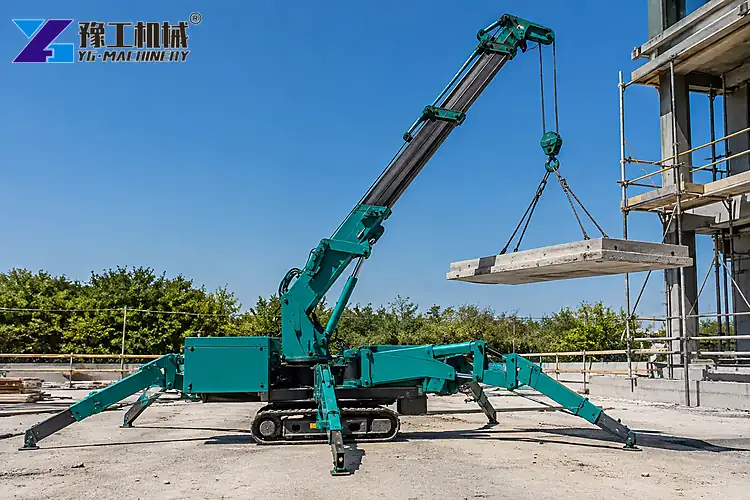
Lift Information To Send Before Selection
The most useful purchase brief combines the lift drawing with real measurements. Include the minimum clear width, lowest overhead point, surface type, required lift height, maximum radius and whether the work is indoor, rooftop or ground level.
| Planning Item | Why It Matters |
| Load Weight | Defines the required lifting capacity |
| Working Radius | Changes available capacity at the pick |
| Access Width | Confirms route and machine entry |
| Surface Condition | Supports travel and outrigger planning |
| Lift Height | Confirms boom and hook path |
| Working Area | Allows safe setup and rigging space |
This information prevents a quote from being based on an incomplete sketch. It also helps the purchaser compare a compact configuration with the realistic setup needed on site.
Lift Setup And Team Coordination
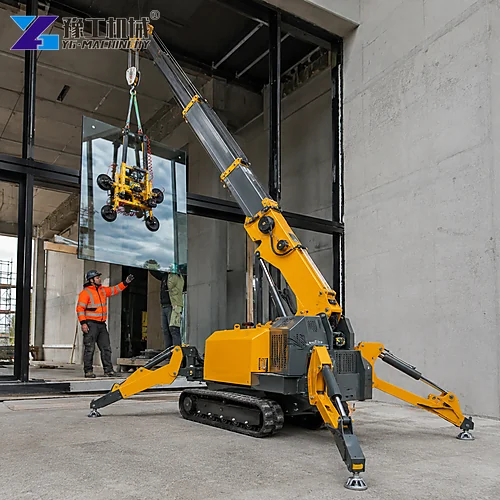
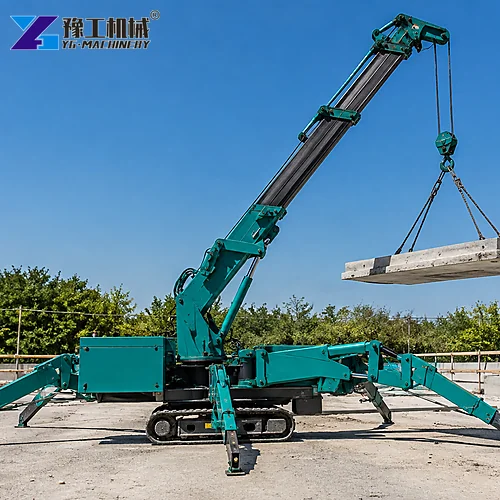
Before lifting, establish the support area, level the machine as required and check the load route. The operator and rigger should use one agreed signal plan. This keeps the movement deliberate where people, building edges and finished surfaces are close to the lift.
When the project involves repeated picks, document the approved setup and review it as site conditions change. The same machine can serve different tasks, but each lift should still be evaluated with its own radius, ground and access conditions.
Related Lifting Equipment And Buyer Questions
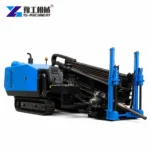
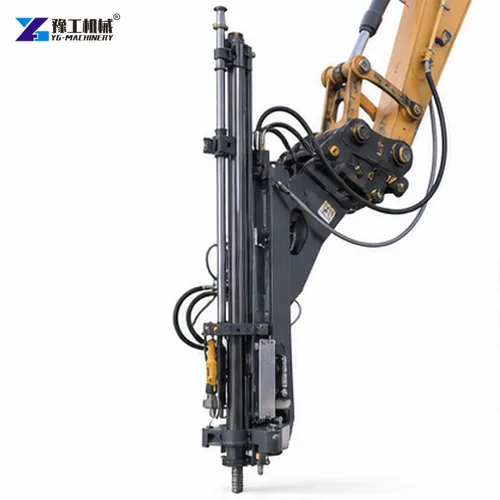
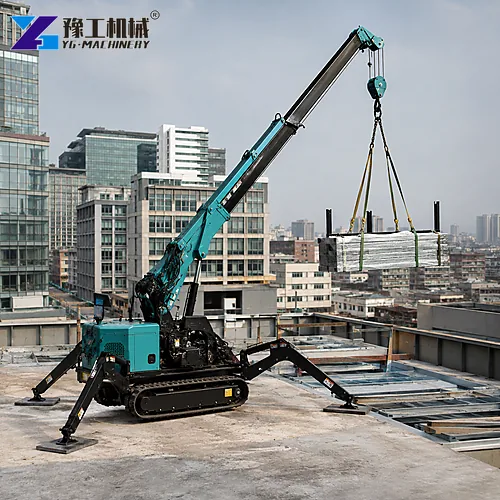
For the complete lifting discussion, review the tracked mini crane product page. Where a project also includes material positioning or a foundation-work sequence, the mini payloader and rotary drilling equipment pages show separate, complementary construction workflows.
Send the lift details, site photos, access dimensions and destination to YG. A focused review produces a the compact crane discussion that reflects the planned lift rather than an abstract maximum capacity.
A restricted-access lift should be reviewed in the same order the work will happen. First confirm how the machine enters, then identify the final setup zone, then check the pick and set points with the actual load. This order reveals whether an apparently suitable route still lacks room for outriggers, rigging or the people needed to guide the movement.
Floor and support conditions need a documented decision rather than an assumption based on appearance. The site team should provide photographs and identify finished surfaces, slopes, covers or services that affect travel and setup. YG can then discuss the machine configuration together with the practical conditions the customer expects to manage.
For repeated lifts, record the approved load path and setup dimensions after the first successful operation. This does not replace a lift review when conditions change, but it gives the team a reliable reference for coordinating the next pick. It also makes the handover between purchasing, site management and the lifting crew much clearer.
A the compact crane comparison should use the capacity at the actual working radius, not an advertised maximum without context. Ask the lifting team to mark the machine position, pick point and set point on the same sketch. That simple drawing makes it easier to see how much room is available for the boom path, rigging and personnel.
If the project has a narrow doorway or finished internal route, the buyer should give YG the smallest measured clearance rather than a nominal building dimension. A the compact crane needs room for entry, turning and final setup; the limiting point may be a corridor corner or a transition between surfaces, not the doorway shown on an architectural plan.
The final proposal should identify what the customer will provide on site, such as approved lifting accessories, a prepared support area and a trained lifting team. Clear responsibilities protect the lift plan and help the selected equipment serve the intended task from delivery through the final pick.
The the compact crane should be selected from the planned lift, not from a catalogue maximum. A the compact crane quote can be checked against the load, radius and access sketch, while the the compact crane setup can then be discussed with the people who will complete the work. This gives the customer a defensible basis for the final decision.
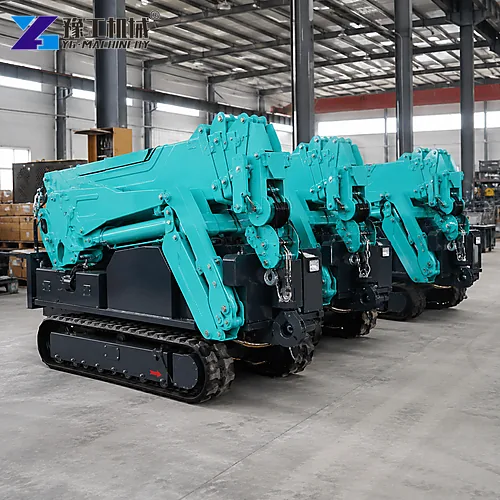
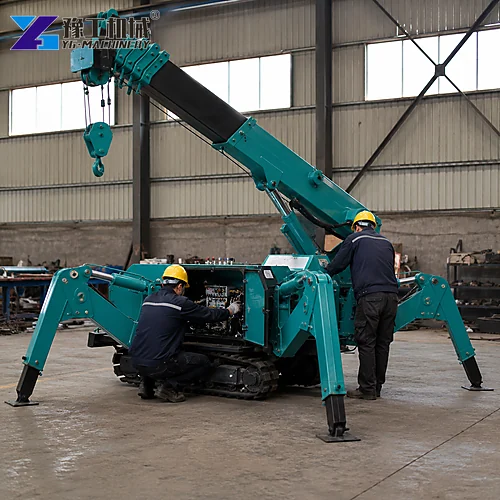
A Tracked Mini Crane proposal is easier to evaluate when the customer supplies one complete lift sketch. That sketch lets YG compare the Tracked Mini Crane with the intended radius and access route, then explain how the Tracked Mini Crane should be prepared for the project.
Mini Crane Buyer FAQ
Measure access width, overhead clearance, lift height, working radius, load weight and the planned setup area.
Capacity changes with the distance from the crane to the load. Provide the actual pick and set positions for a useful configuration review.
A suitable compact crane can support indoor lifts when access, floor condition, ventilation and working space are evaluated for the project.
Send a lift sketch, load details, access dimensions, site photographs and destination.
Restricted Access Lift Next Step
A correct lifting plan begins with clear measurements. Share the working conditions with YG so the configuration discussion can focus on the lift your team must complete.