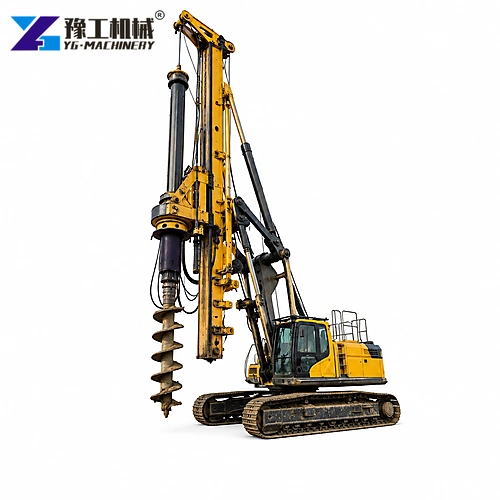
Foundation drilling begins with the hole program and the site conditions around it. Bore diameter, target depth, expected ground, access route and spoil handling determine how the rig, Kelly bar and tool system need to work together.
This guide helps a buyer turn drawings and site information into a useful equipment brief, so rotary drilling equipment can be considered against the actual bore sequence instead of as an isolated machine specification.
Ground Information Before Foundation Drilling
A borehole program should identify the expected formation, required depth, bore diameter and working area. Ground conditions can change along one site, so include available geotechnical information and the deepest or most difficult location in the inquiry.
Access matters at the same time. Check route width, turning room, overhead restrictions and the space for spoil, tools and reinforcement. Rotary Drilling Equipment selection is stronger when the buyer describes the entire work area, not just the finished pile diameter.
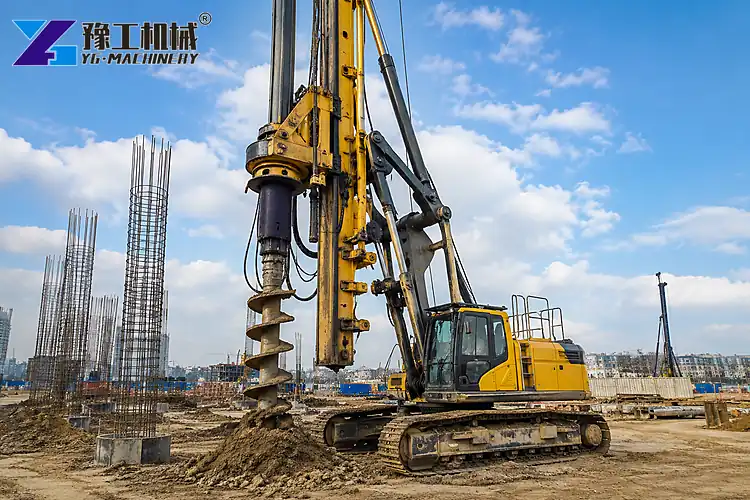
Configuration Checks For Foundation Work
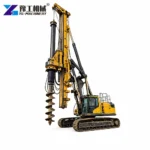
The power head, Kelly bar, auger and carrier arrangement must be reviewed as one drilling system. The table below lists the principal planning checks used to start a YG configuration conversation.
| Project Check | Information To Confirm |
| Bore Diameter | Specified pile or foundation design |
| Target Depth | Deepest planned borehole |
| Ground Condition | Soil, fill, rock or mixed layers |
| Site Access | Route, turning and overhead limits |
| Spoil Handling | Collection and removal plan |
| Rebar Coordination | Cage timing and working area |
The best configuration is the one that supports the planned holes, access and operating rhythm. Send the job information before requesting Rotary Drilling Equipment so YG can discuss the right rig and tool arrangement.
Borehole Workflow And Site Coordination
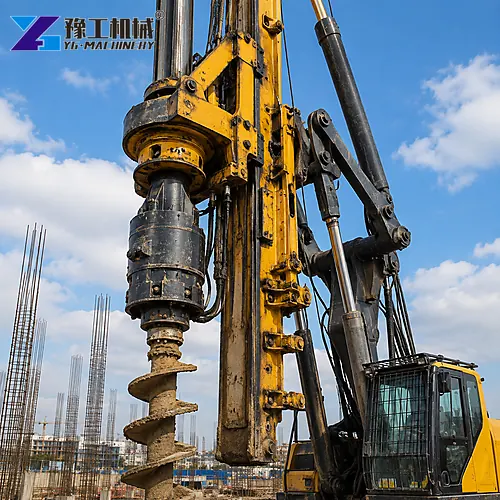
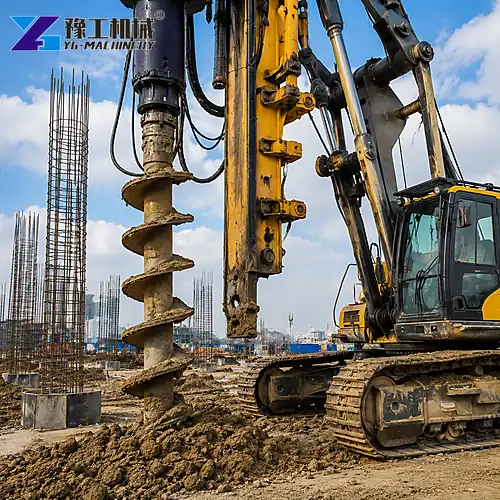
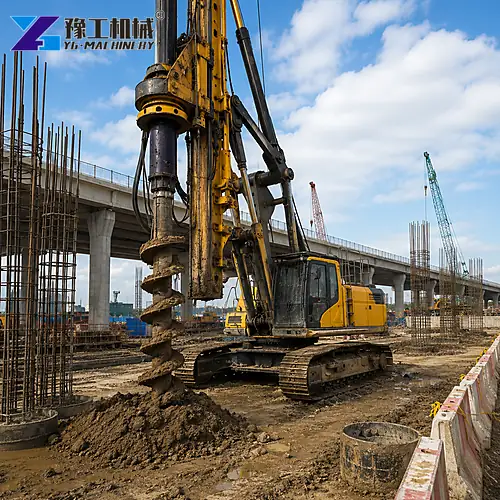
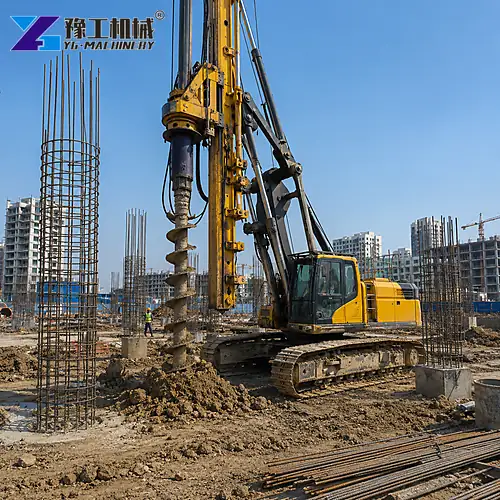
Prepare the machine position and spoil area before the drill begins. During operation, keep the borehole sequence, tool changes and reinforcement timing visible to the same site team. This avoids a finished hole waiting without a clear next stage.
A regular inspection of tools, connections and operating condition supports predictable progress. If the ground changes, record the new condition and discuss it before simply increasing the drilling demand. That approach keeps the decision connected to the actual foundation plan.
Foundation Equipment Links And Buyer Questions
For related foundation work, review the rotary drilling equipment product page, integrated rock drill and splitter and hydraulic pile breaker for adjacent project stages.
A quote request should describe the foundation design, ground information, access, planned tool range and destination. Those details produce a Rotary Drilling Equipment recommendation based on a real project plan.
The drilling sequence should also include the time between a completed bore and the next activity. Confirm where spoil will be placed, when it leaves the work zone, and how reinforcement cages will approach the hole. A rig can only maintain a useful rhythm when the surrounding site operations are planned to receive its output.
Ground information is most useful when it distinguishes the expected condition from the condition that will trigger a review. For example, the buyer can identify known fill, harder layers, groundwater notes or locations with limited access. This gives YG a practical basis for discussing tools and configuration before the project relies on an assumption made from one easy bore.
The commercial brief should include the delivery route, the area available for assembly and the project contact responsible for technical questions. These items may seem separate from bore diameter, yet they determine whether the selected configuration can arrive, set up and work in the way the foundation schedule requires.
Rotary Drilling Equipment must be considered with the pile layout, not only the most difficult bore. A site may have different depths, edge distances or access restrictions across the foundation. Marking those variations in the inquiry helps YG discuss whether one tool arrangement can serve the whole program or whether the project needs a planned change between areas.
The buyer should identify any interface that can stop the rig after a hole is completed. Examples include inspection timing, cage delivery, concrete placement and spoil removal. performs best when those follow-on activities have an agreed route and timing, because a completed borehole is only one stage of the foundation sequence.
A clear ground and access brief also prevents an unsuitable comparison between proposals. When every supplier receives the same bore data, site limits, expected tool work and destination, the customer can compare configuration, support and delivery scope on the facts that matter to the project.
A the drilling system recommendation should be reviewed against the drawings and site information before purchase. That final check confirms that the the drilling system discussion reflects the hole program, access route and expected handover activities. It is the clearest way to turn a collection of technical values into a useful, site-ready plan for the foundation team and its daily coordination.
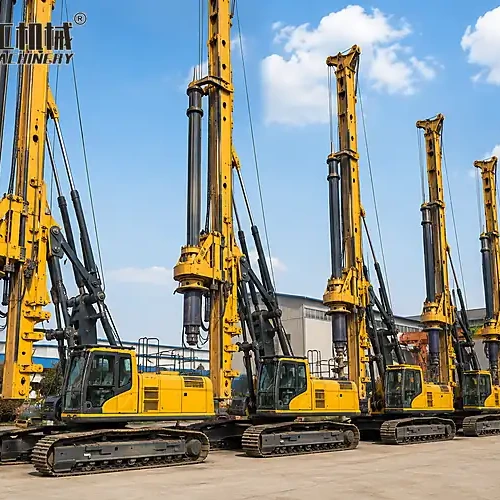
Rotary Drilling Equipment should be compared after the buyer has confirmed the bore program and site route. This gives YG enough context to relate Rotary Drilling Equipment to the foundation sequence instead of offering an abstract rig comparison.
Foundation Drilling Buyer FAQ
Provide bore diameter, depth, ground condition, access and the working area. These details define the starting configuration discussion.
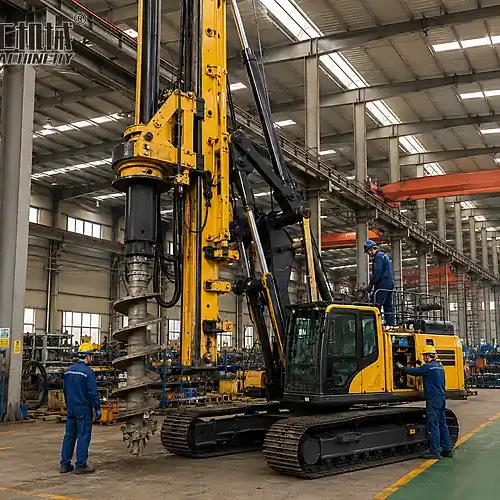
The power head, Kelly bar and drilling tool must work together for the planned ground and borehole requirement.
Define where spoil is collected, how it is removed and how that route stays clear of the drilling operation.
Send the foundation requirement, geotechnical information, access limits, expected tools and delivery destination.
Foundation Planning Next Step
A detailed project brief reduces uncertainty before the rig reaches site. Share the drilling plan with YG for a configuration discussion that starts with the actual foundation work.